10 hrs ago
Indian EB-2 Green Card Wait Could Reach 179 Years

Many Indian workers want to become permanent residents of the United States.
The government gives out only a limited number of employment-based green cards each year.
It also usually limits how many can go to people from one country.
India has many applicants, so the line has become extremely long.
NFAP estimates that a new Indian EB-2 applicant could face a possible 179-year wait under current rules.
EB-3 applicants could face about 38 years, while EB-1 applicants could wait about four to five years.
This does not mean every person will definitely wait that long.
The estimate could change if laws, visa numbers, demand or applicants’ decisions change.
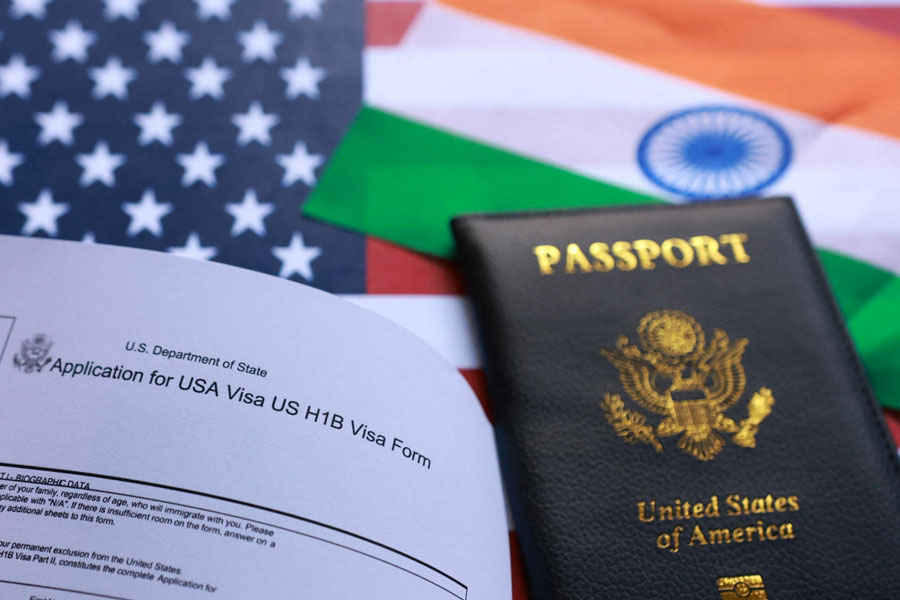
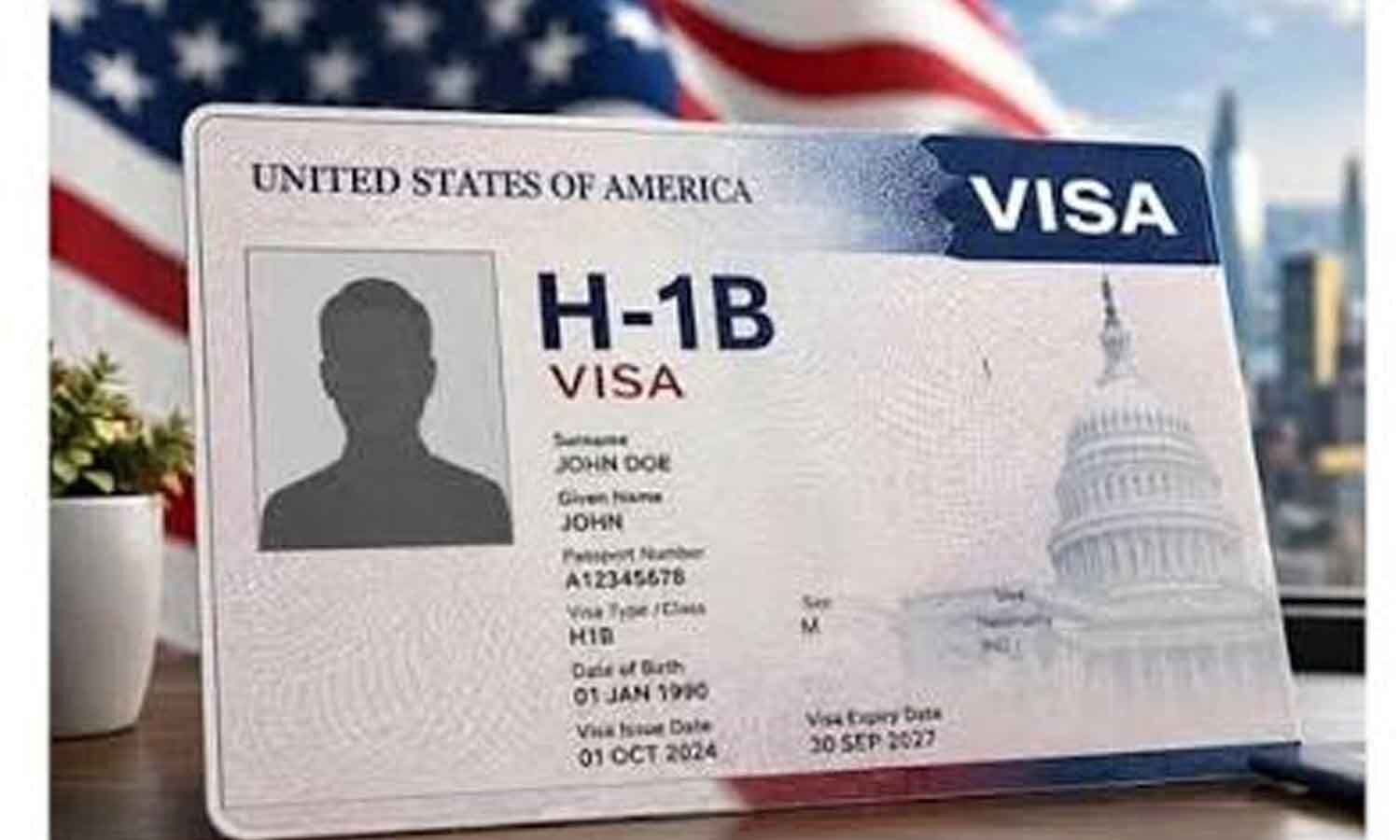
Many workers remain in temporary H-1B status while waiting.

NFAP estimates a potential 179-year wait for Indians entering the EB-2 queue in January 2026 or later.
Estimated waits are about 38 years for Indian EB-3 applicants and four to five years for EB-1 applicants.
Indians accounted for an estimated 996,599 people, or 79% of the EB-1 through EB-3 backlog, in December 2025.
The employment-based backlog rose 20.6%, from 1,048,342 people in April 2020 to 1,264,495 in December 2025.
NFAP attributes the backlog to annual visa limits, the 7% per-country cap and high demand from Indian professionals.
- Who
- Indian professionals seeking employment-based permanent residence, particularly EB-2 applicants, along with other employment-based applicants.
- What
- The National Foundation for American Policy estimated extremely long potential waits for Indian employment-based green cards, including 179 years for new EB-2 applicants.
- Where
- The United States immigration system.
- When
- The estimates concern applicants entering the queue in January 2026 or later; backlog figures cited are as of December 2025, with some visa-bulletin data from August 2026.
- Why
- The backlog reflects high demand from Indian professionals combined with the 140,000 annual employment-based visa limit and the generally applicable 7% per-country limit.
Calls for immigration reform
Current statutory system
Visa limits and country caps
Calls for immigration reform
NFAP’s analysis indicates that the annual employment-based limit and 7% per-country cap cannot keep pace with demand from countries such as India and China, contributing to severe backlogs.
Current statutory system
The existing system applies statutory limits across employment-based categories, while unused numbers can sometimes shift between categories or become available through unused family-based numbers.
Effect on workers and employers
Calls for immigration reform
NFAP says prolonged waits can create difficulties for Indian workers and their families and make it harder for US companies to attract and retain skilled employees.
Current statutory system
Applicants may remain in temporary H-1B status while waiting, and the current system continues processing petitions and issuing green cards within the numbers authorized by law.
Potential policy changes
Calls for immigration reform
NFAP projects the overall employment-based backlog could exceed two million by 2040 without legislative changes and points to a previously proposed exemption for certain science, technology and critical-industry degree holders.
Current statutory system
The proposed exemption passed the US House of Representatives but was blocked during the conference process and did not become part of the final CHIPS and Science Act.
Key facts
- Estimated Indian EB-2 wait
- Up to 179 years for applicants entering the queue in January 2026 or later, based on NFAP’s assumptions.
- Estimated Indian EB-3 wait
- About 38 years.
- Estimated Indian EB-1 wait
- About four to five years; another NFAP estimate describes it as approximately five years.
- Employment-based backlog
- An estimated 1,264,495 people across EB-1, EB-2 and EB-3 in December 2025.
- Indian share of backlog
- An estimated 996,599 Indians, or 79% of the EB-1 through EB-3 backlog, in December 2025.
- Annual statutory limit
- US law provides 140,000 employment-based immigrant visas annually, covering principal applicants and dependents.
- Per-country limit
- Employment-based immigrant visas are generally subject to a 7% limit for nationals of one country, with exceptions when numbers remain available.
- Backlog growth
- The EB-1 through EB-3 backlog increased 20.6%, from 1,048,342 in April 2020 to 1,264,495 in December 2025.
Sources

Related news
Indian Backlog Nears One Million, EB-2 Waits Reach 179 Years
Indian Applicants Face Potential 179-Year US Green Card Wait
EB-2 exhausted, EB-1 could close for Indian green card applicants

September 2026 Visa Bulletin Keeps Indian Green Card Backlogs
September Visa Bulletin Brings Family Gains, Employment Warnings for Indians
US Warns EB-1 Green Cards May Become Unavailable for Indians
US Citizenship Becomes Costlier and Harder for Green Card Holders
US Considers Ending H-4 Spouse Work Permits, Indians Hit Hardest
Trump Administration Revives Plan Targeting H-4 Spouse Work Permits

Trump Administration Proposal Could End H-1B Grace Period