1 hr ago
How Five Indian Animals Use Tongues to Detect Chemical Cues
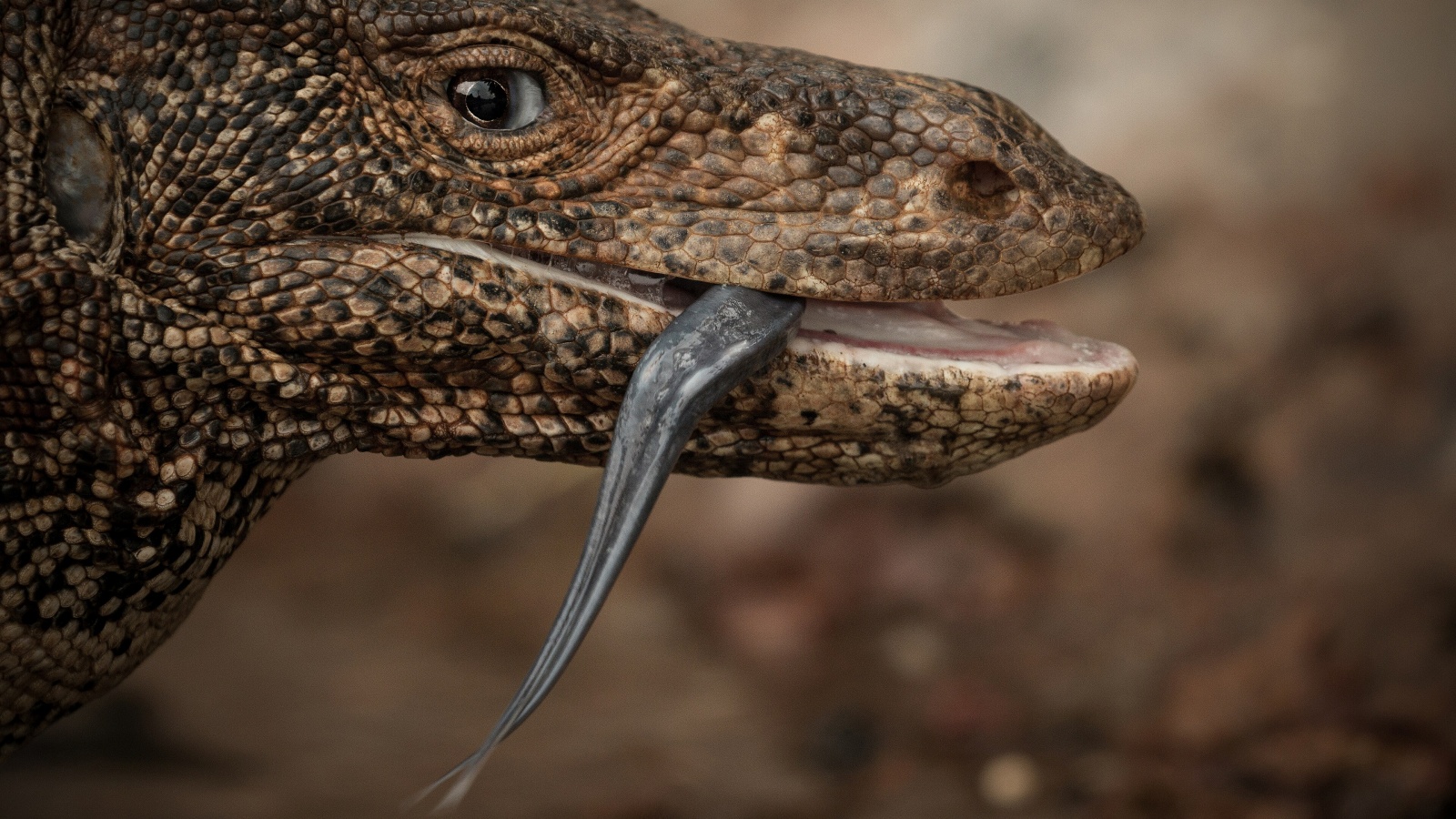
Some snakes and lizards use their tongues to learn about the world around them.
They flick their tongues in and out to collect tiny chemical clues.
These clues can come from the air, ground, or nearby objects.
The tongue then carries the clues into the animal’s mouth.
A special organ there, called the vomeronasal organ, detects the chemicals.
A forked tongue can sample two nearby places at once.
This may help the animal figure out where a smell or trail is coming from.
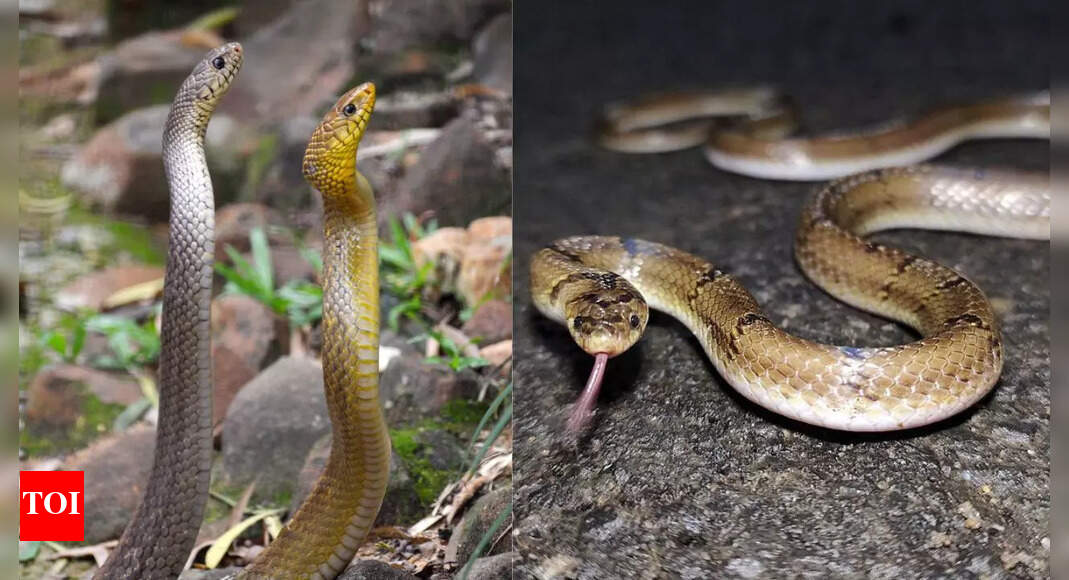
Indian cobras, common kraits, Russell’s vipers, Indian rock pythons, and Bengal monitors use this system.
So, animals do not exactly smell with their tongues; their tongues collect clues for another organ to analyze.

Forked tongues collect tiny chemical particles from air, ground, and nearby surfaces.
The vomeronasal, or Jacobson’s, organ in the roof of the mouth detects these chemical cues.
Indian cobras, common kraits, Russell’s vipers, and Indian rock pythons use tongue-flicking to investigate their surroundings.
The Bengal monitor lizard also uses its forked tongue to detect chemical cues linked to prey.
The tongue gathers information, while the vomeronasal organ processes it and sends signals to the brain.
- Who
- Indian cobras, common kraits, Russell’s vipers, Indian rock pythons, and Bengal monitor lizards.
- What
- These five reptiles use repeated tongue-flicking to collect chemical cues that are detected by the vomeronasal organ.
- Where
- In their surrounding environment, including the air, ground, and nearby surfaces.
- When
- Whenever they are moving, exploring, foraging, or hunting.
- Why
- To investigate surroundings and detect chemical cues associated with prey, predators, other snakes, or chemical trails.
Key facts
- Animals featured
- Indian cobra, common krait, Russell’s viper, Indian rock python, and Bengal monitor lizard
- Sensory behavior
- Repeated tongue-flicking
- Chemical detector
- Vomeronasal organ, also called Jacobson’s organ
- Organ location
- The roof of the mouth
- Tongue function
- Collects chemical particles from the surroundings
- Directional sensing
- Forked tongue tips sample slightly different areas
- Main uses
- Finding prey, investigating surroundings, and detecting predators or other snakes
Sources
Related news
Kolkata Snake Encounters Highlight Four Common Urban Species

Couple Spots Highly Venomous Common Krait On Computer Desk

AI Tool Saves Gwalior Cop Bitten Twice by Venomous Snake
Python Rescued From Under Cot In Delhi Apartment

Snake charmer arrested in Faridabad, seven Indian cobras seized

Mumbai: 10-Foot Python Rescued After Causing Panic, Released Into Wild

King Cobra vs. Rock Python: A Comparison of Two Apex Predators