5 days ago
Russia Uses AI-Generated Songs to Promote War Propaganda
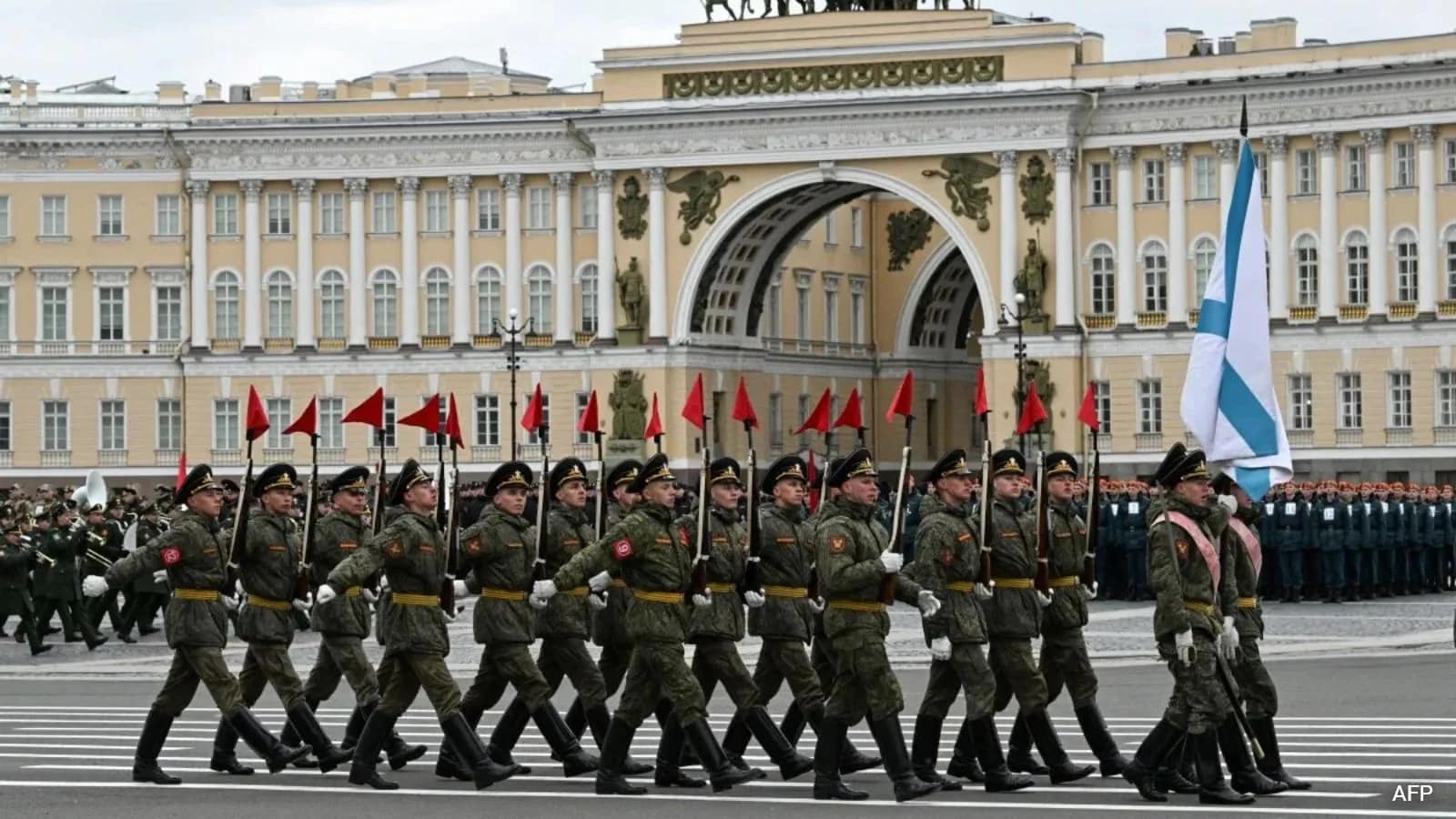
Russia is using computer-made songs to spread messages about its war against Ukraine.
The songs come in many styles, including sad ballads and loud heavy metal.
Some praise Russian soldiers and say the war is needed for defense.
Other songs insult Ukrainians with hateful language.
Researchers found 981 songs they classified as pro-Russian war propaganda.
Many appeared after AI music tools became more common in 2024.
Some songs were played millions of times on music websites.
The researchers say these websites and AI companies have not always understood or stopped the songs.

A Terrecon report identified 981 songs described as pro-Russian war propaganda.
The songs span ballads, thrash metal and styles inspired by Soviet war music.
Many portray Russia’s invasion as necessary defense and glorify Russian soldiers.
Some songs use ethnic slurs against Ukrainians and depict the frontlines as hellish.
Researchers say streaming platforms have struggled to moderate AI-generated propaganda and foreign-language hate content.
- Who
- Russian propagandists, AI music researchers from Terrecon, AI music services and streaming platforms are involved.
- What
- AI-generated songs promoting Russia’s war narrative and sometimes using anti-Ukrainian hate speech have appeared on major music platforms.
- Where
- The songs appeared on Spotify, YouTube Music, Apple Music, Deezer and other online platforms.
- When
- Most of the identified songs were released after 2024; one YouTube-uploaded song received more than two million views over two years.
- Why
- The songs are used to promote pro-Russian wartime messages, while researchers say platforms and moderation systems have struggled to detect them.
Researchers and Critics
Platforms and Russian Institutions
Responsibility for distribution
Researchers and Critics
Terrecon researchers argue that streaming services have struggled to keep pace with AI-generated content, allowing propaganda songs to spread widely.
Platforms and Russian Institutions
Platforms have policies addressing AI content and hate speech; Spotify said it labels AI-generated songs and does not recommend them to users.
Effectiveness of moderation
Researchers and Critics
Researchers say moderation tools often reacted to individual banned words rather than the broader meaning of prompts, especially when content used Russian or other foreign-language expressions.
Platforms and Russian Institutions
Platforms require or support labeling for AI music and maintain policies against hate content, although propaganda is not explicitly banned on the major services described.
Role of the Russian government
Researchers and Critics
The report leaves unclear how directly the Russian government helped distribute the songs online, though researchers connect the material to broader wartime propaganda.
Platforms and Russian Institutions
Russian news reports describe the Internet Development Institute, which works closely with the Kremlin to promote patriotic values, as having supported more than 350 war-related artistic projects.
Key facts
- Research organization
- Terrecon, a nonprofit organization, identified the songs in a report.
- Songs identified
- 981 songs were classified as pro-Russian war propaganda.
- Musical styles
- The songs range from maudlin ballads to thrash metal and adapt themes from Soviet war songs.
- Most common release period
- A majority were released after 2024, when AI song generators became more widely used.
- Most-viewed example
- One Suno-created song uploaded to YouTube received more than two million views in two years.
- Platform response
- Spotify said it has a policy to label AI-generated songs and avoid recommending them to users.
- Government-linked promotion
- A director of Russia’s Internet Development Institute said it had promoted more than 350 war-related artistic projects.
Quotes
Terrecon researchers
Researchers from the nonprofit organization Terrecon, which investigated AI-generated Russian propaganda songs
“The moderation systems mainly responded to specific banned words rather than the overall meaning of the prompts.”
 NDTV
NDTV
Sources
Related news

Man Sentenced for AI Music Streaming Fraud Scheme

Researchers Warn of Fresh Russian Midterm Election Meddling

Ye’s October Russia Concerts Cancelled Amid Antisemitism Controversy
Zelenskyy Urges 47 Nations to Stop Russia’s Recruitment
Trump Uses AI Images While Offering Little Policy Detail

UN report warns AI tailors terror propaganda for women, children

Drone Fire Hits Yandex Centre; Ukraine Bus Strike Kills 30

Telangana Woman Says Job Agent Sent Husband Into Russian Army

Ukraine Expands Ground Robots for Combat, Supply and Evacuation

South Korea Recalls Ukraine Envoy Amid POW Disclosure Dispute

India-EU Trade Pact Reflects Strategic Necessity Amid Limited Liberalisation