1 hr ago
India-EU Trade Pact Reflects Strategic Necessity Amid Limited Liberalisation
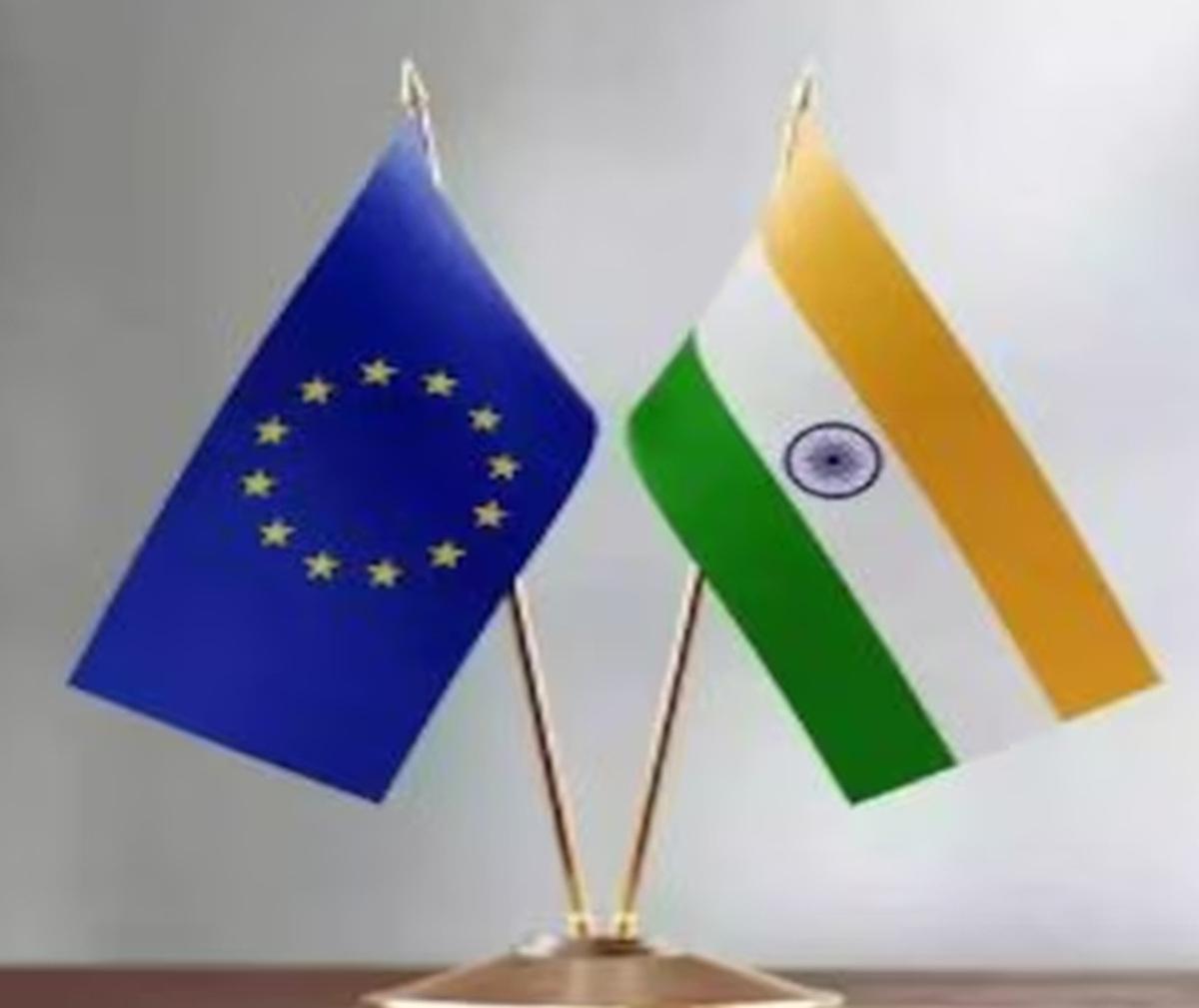
India and the European Union have made a major trade agreement.
The report says it could help them trade much more with each other.
But the deal does not open every part of their economies equally.
Some farm protections remain, government purchasing is excluded, and other trade barriers continue.
Car tariffs will take as long as 10 years to come down.
The report says the agreement is also about strategy, not just trade.
Both sides want more partners and fewer economic risks.
Tensions involving the United States, China, and Russia have helped make closer ties seem more important to them.

A new report describes the agreement as the first major bilateral trade pact between two of the world’s largest economic entities.
The deal is expected to sharply increase trade between India and the European Union.
It only partly liberalises sensitive sectors such as agriculture, excludes government procurement, and leaves many non-tariff barriers in place.
Automobile tariff reductions will be phased in over 10 years, illustrating the gap between political ambition and limited liberalisation.
The report says geopolitical disruptions and a desire to diversify trade and reduce economic risks have strengthened the strategic case for closer EU-India ties.
- Who
- India and the European Union; the report is by researcher Tobias Scholz.
- What
- A report assesses an India-EU trade agreement as a major pact with limited liberalisation in some areas and a strategic purpose.
- Where
- Between India and the European Union.
- When
- The article discusses the agreement and refers to geopolitical developments in recent years, including Donald Trump becoming US president and the Russia-Ukraine war.
- Why
- The report says both sides seek to diversify trade relations, reduce geo-economic risks, and build partnerships amid international disruptions.
Trade deal’s limits
Trade deal’s strategic value
Limited liberalisation
Trade deal’s limits
The pact leaves sensitive sectors partly protected, excludes government procurement, and retains many non-tariff barriers.
Trade deal’s strategic value
The report argues that these limits should not automatically be seen as a shortcoming; they reflect the strategic nature of the emerging EU-India relationship.
Political ambition and economic opening
Trade deal’s limits
The agreement’s gradual and partial market opening falls short of its political ambition in some areas, including automobiles, where tariff reductions take 10 years.
Trade deal’s strategic value
The pact is presented as a significant bilateral agreement and a means for both sides to expand trade and respond to strategic necessity.
Key facts
- Parties
- India and the European Union
- Report author
- Researcher Tobias Scholz
- Trade outlook
- The agreement is expected to bring a sharp rise in trade between the two sides.
- Agriculture
- Sensitive sectors such as agriculture are only partially liberalised.
- Government procurement
- Excluded from the agreement.
- Automobiles
- Tariff reductions will be phased in over 10 years.
- Strategic rationale
- Diversifying trade and reducing geo-economic risks.
Quotes
Tobias Scholz
Researcher whose article discusses the EU-India trade agreement.
“Until recently, Europe relied on its security partnership with the United States, the Chinese export market, and cheap fossil energy imports from Russia. Within a few years, all three dependencies turned into liabilities. An emerging threat perception toward China provided the initial EU-India momentum.”
 thehansindia.com
“This apparent gap between political ambition and limited liberalisation should not simply be understood as a shortcoming of the trade deal. Rather, the nature of the agreement illustrates a defining feature of the emerging EU-India relationship.”
thehansindia.com
Sources
Related news
Report Urges EU to Follow UK’s India Trade Strategy
Germany and India Advance Trade, Defense, and Strategic Partnership

Finland Envoy Urges Partnerships for Strategic Autonomy

India-EU Trade Deal Moves Toward Final Approval

Sitharaman Says India Needs Distinct Trade Templates
India-EU Free Trade Agreement Moves Toward Formal Approval
Ukraine’s Drone Edge Constrained by Frontline Troop Shortages

Oleshky Residents Risk Deadly Roads Seeking Food
India Condemns Attacks on Four Black Sea Vessels
US and Russia Discuss Nord Stream Revival Amid Ukraine War