1 month ago
Himalayan Disaster: Geology, Climate, and Human Impact
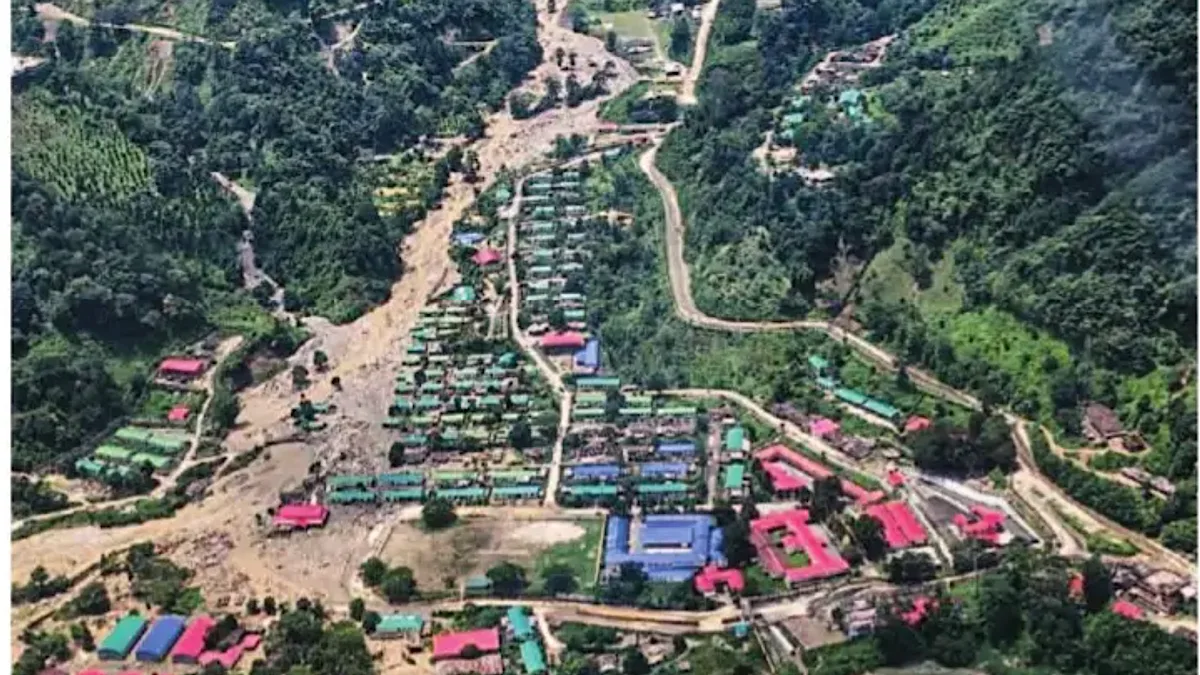
On 24 June, a terrible flood and landslide happened in Poosa village, Arunachal Pradesh.
It destroyed homes and killed five people.
Scientists say the flood was not just because of heavy rain but also because the land is unstable and people have built things that made it worse.
The village was built on a flat area that looked safe, but it was actually on loose sand and rocks that can move easily.
The rain made rivers overflow, and landslides blocked the rivers, causing even more water and rocks to rush down.
The flood also destroyed a wall that was supposed to protect the village.
Scientists say that climate change is making the rain more intense, and building roads and power plants in the mountains can make landslides worse.
The village is now trying to recover, and scientists are saying that people need to be more careful about where they build things in the mountains.

A flash flood and debris flow destroyed the NEEPCO residential colony in Poosa village, Arunachal Pradesh, on 24 June.
The disaster was caused by extreme rainfall, unstable geological conditions, and human intervention in the fragile Himalayan ecosystem.
The colony was built on an alluvial fan, a naturally unstable landform prone to flash floods and debris flows.
Climate change has altered rainfall patterns, leading to more intense and shorter storms that increase the risk of floods and landslides.
Human activities like deforestation, road construction, and hydropower projects have exacerbated natural hazards in the region.
- Who
- Residents of Poosa village, NEEPCO colony, scientists, rescue teams
- What
- A devastating flash flood and debris flow caused by extreme rainfall and geological instability
- Where
- Poosa village, Keyi Panyor district, Arunachal Pradesh
- When
- 24 June
- Why
- A combination of extreme rainfall, fragile geological setting, changing climate patterns, and human intervention
Natural Causes
Human Intervention
Cause of the Disaster
Natural Causes
The disaster was primarily caused by extreme monsoon rainfall and natural geological instability.
Human Intervention
Human activities like deforestation, road construction, and hydropower projects exacerbated the natural hazards.
Role of Infrastructure
Natural Causes
The retaining wall was designed to protect against seasonal erosion, but it failed due to the unprecedented force of the debris flow.
Human Intervention
The retaining wall and other infrastructure projects disrupted natural drainage and weakened slopes, contributing to the disaster.
Key facts
- Date of Disaster
- 24 June
- Location
- Poosa village, Keyi Panyor district, Arunachal Pradesh
- Casualties
- 5 lives lost
- Infrastructure Damage
- 18 residential quarters destroyed, National Highway-13 severed
- Geological Features
- Alluvial fan, river confluence, debris dams
- Climate Change Impact
- Increased intensity of rainfall due to higher atmospheric moisture
- Rescue Operations
- State Disaster Response Force, police, local volunteers, Indian Air Force
Quotes
Dr. Biswajit Bera
Geomorphologist and professor at Sidho‑Kanho‑Birsha University
“"The rainfall was only the trigger," says Dr Bera, geomorphologist at Sidho‑Kanho‑Birsha University. "The disaster actually began much earlier with the landscape itself."”
 thestatesman.com
Sources
Related news

Weekend Catch-Up Sleep Linked to Lower High-Blood-Pressure Likelihood

Navy Chief Visits Australia, New Zealand to Boost Cooperation

Walking Versus Running: Comparing Benefits for Heart Health

Explained: Officials Raise Espionage Concerns About COSCO Ships