2 days ago
UNICEF Study Finds Widespread Online Abuse Among Pakistan’s Children
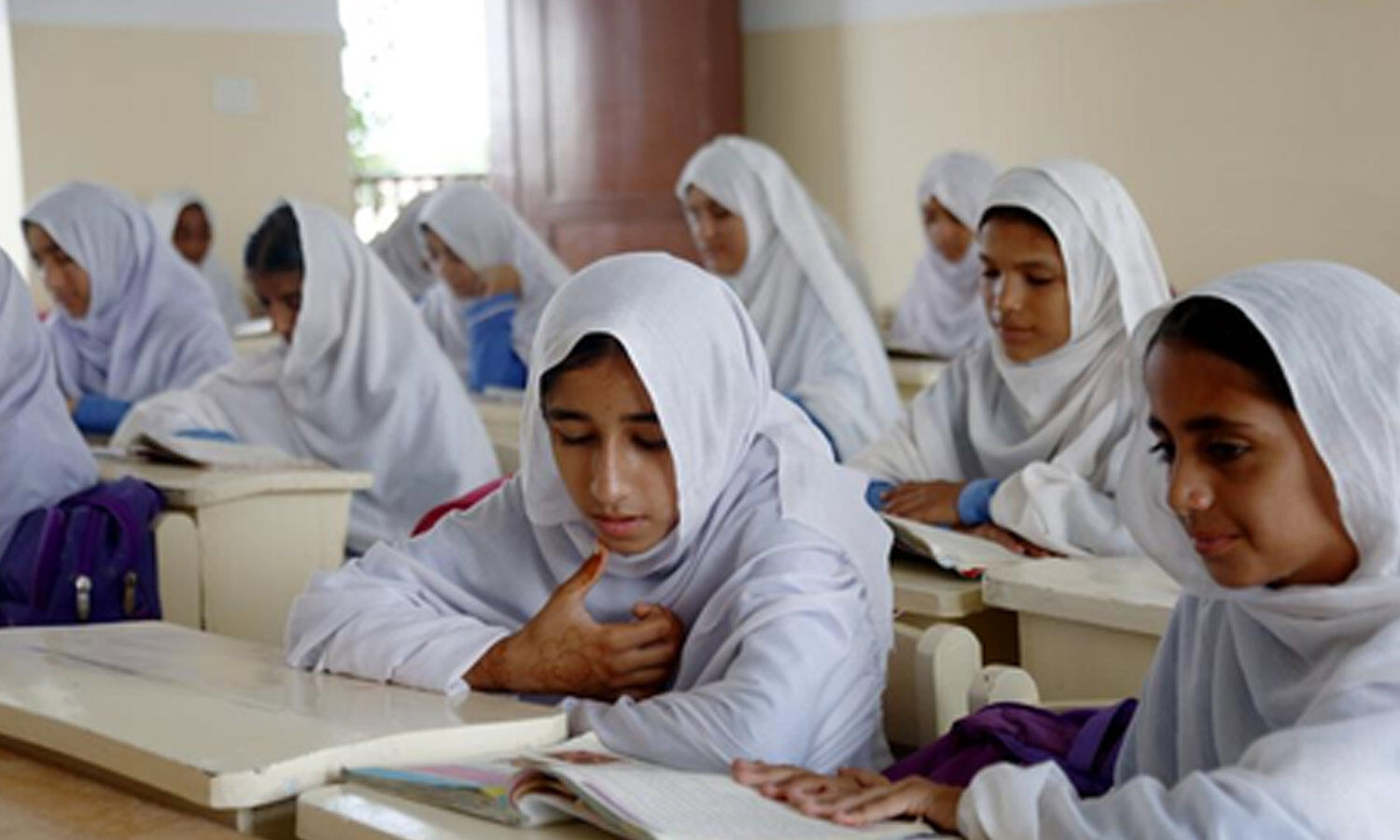
A new study found that many children in Pakistan faced sexual abuse through phones or the internet.
Almost 1.5 million children aged 12 to 17 were affected in one year.
This is about one out of every 16 internet-using children in that age group.
The abuse included unwanted messages, requests for private pictures, threats, and fake pictures made with artificial intelligence.
More than half of the children did not tell anyone about what happened.
None of the surveyed children reported using formal services such as police, helplines, or social workers.
Shame, blaming victims, and not trusting police can make it harder to ask for help.
UNICEF and its partners said adults and online services must work together to keep children safer.

Nearly 1.5 million internet-using Pakistani children aged 12–17 experienced technology-facilitated sexual exploitation or abuse in one year.
Documented abuse included unwanted sexual content, image requests, nonconsensual sharing, threats, blackmail, and AI-generated fake images or videos.
More than half of affected children told no one, and none reported the incidents through formal channels surveyed.
Stigma, victim-blaming, and distrust of police were identified as major barriers to seeking help.
UNICEF called for coordinated action by authorities, communities, schools, families, social services, and digital platforms.
- Who
- Nearly 1.5 million internet-using children aged 12–17 in Pakistan were affected; the study was conducted by UNICEF Innocenti, ECPAT International, and INTERPOL.
- What
- A study documented technology-facilitated sexual exploitation and abuse, including unwanted sexual content, image-related threats, and AI-generated fake images or videos.
- Where
- Across Pakistan, involving children surveyed nationally.
- When
- The abuse occurred during a single year; the articles do not specify which year.
- Why
- The research examined the scale, nature, and reporting barriers of online child sexual exploitation and called for stronger prevention, protection, and response systems.
Key facts
- Estimated affected children
- Nearly 1.5 million internet-using children aged 12–17
- Estimated rate
- Roughly one in every 16 children
- Study basis
- A nationally representative household survey of children and parents or caregivers, plus interviews with frontline and justice professionals
- Unreported cases
- More than half of affected children told no one
- Formal reports
- None of the surveyed children reported incidents to helplines, social workers, or police
- Key barriers
- Community stigma, victim-blaming, and lack of trust in police
- Study partners
- UNICEF Innocenti, ECPAT International, and INTERPOL, with funding from Safe Online
Quotes
Pernille Ironside
UNICEF Representative in Pakistan
“The survey shows girls and boys in Pakistan have been subjected to technology-facilitated sexual exploitation and abuse at similar rates, but their experiences can differ significantly. For boys, stigma and expectations around masculinity can mean they are overlooked as victims and discouraged from speaking about what happened. Recognising and responding to boys' unique experiences must be part of effective child protection”
 thehansindia.com
“The digital world should be a safe space for children. We must shift from asking children simply to avoid risks to building stronger systems that prevent abuse and hold perpetrators and digital platforms accountable”
thehansindia.com
Sources
Related news

UNICEF Report Finds 20 Million Children Targeted Online Worldwide

UNICEF Estimates 20 Million Children Suffered Online Sexual Abuse

Pakistan's Reported Gender-Based Violence Cases Expose Gaps in Protection

UNICEF Says Millions of Children Face Online Sexual Abuse

Pakistan’s Minority Communities Face Violence, Impunity and Weak Protections
Report Warns Western Support Enables Misogyny Across Pakistan

Kerala Conman Arrested After Three Decades, Five Identities, 17 Cases
Mangaluru Police Arrest Man Accused of Posing as NCIB Official

Egyptian Queen’s $4 Million Diamond Necklace Stolen in Vienna

Turkey-Israel Rivalry Deepens Over Syria and Regional Influence