5 days ago
Kriti Sanon Ad Reignites Debate Over Gendered Clothing Policing
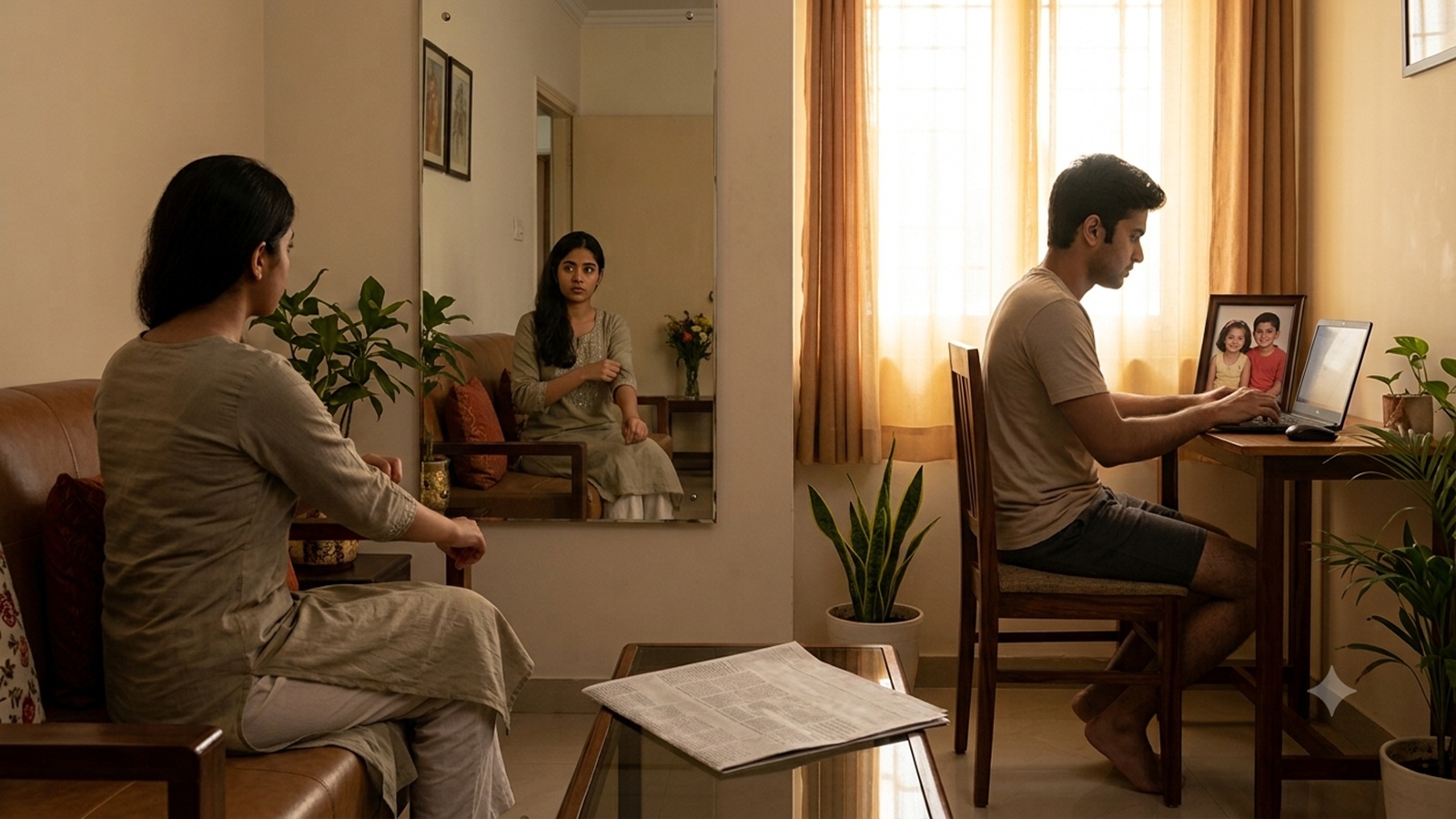
The story is about why girls are often judged more than boys for what they wear.
Some women remembered being scolded about short skirts, shorts, dresses or makeup.
One advertisement featuring Kriti Sanon caused criticism because of her outfit.
Kangana Ranaut said the outfit was unsuitable for a Rakshabandhan advertisement.
Other people said criticizing women’s clothes can make them feel ashamed of their bodies.
Psychologists explained that repeated criticism may make girls worry constantly about how they look.
It can also make them feel that other people’s opinions matter more than their own choices.
Experts said families should give boys and girls similar freedom.
They also said respect and responsibility should be taught to everyone, rather than placing the burden mainly on girls.

Kriti Sanon’s GIVA Rakshabandhan advertisement drew backlash over her ivory co-ord outfit, including a bralette and wide-legged bottoms.
BJP MP Kangana Ranaut criticized the advertisement, calling the styling inappropriate and “intentionally creepy.”
Women interviewed described being judged or restricted over clothing at school, home, family gatherings and work-related settings.
Psychologists said unequal clothing rules can contribute to self-surveillance, body shame, appearance anxiety and reduced confidence in personal choices.
Experts argued that girls and boys should receive equal freedom and education about respect, limits, safety and responsibility.
- Who
- Kriti Sanon, Kangana Ranaut, women who described their experiences, teachers, families and mental-health experts including Dr Komal Manshani and Janvi.
- What
- A debate over gender-based clothing judgments and the effect of unequal rules on girls’ self-image, autonomy and sibling relationships.
- Where
- The issue is described in schools, homes, family gatherings and workplaces, while the advertisement controversy unfolded on Instagram.
- When
- The discussion follows recent backlash over GIVA’s Rakshabandhan advertisement; the article does not provide an exact date.
- Why
- The controversy prompted wider discussion about whether women’s clothing should be treated as a measure of morality, family honour or character.
Autonomy and Equal Treatment
Cultural Sensitivity and Family Norms
Women’s clothing choices
Autonomy and Equal Treatment
Supporters of equal treatment argue that girls and women should be able to choose comfortable clothing without their outfits determining their character or values.
Cultural Sensitivity and Family Norms
Critics, including Kangana Ranaut, argue that clothing can be inappropriate for particular cultural or family occasions, such as a Rakshabandhan advertisement.
Protecting girls
Autonomy and Equal Treatment
Experts and interviewees say protecting girls should not mean restricting their clothing or making them responsible for other people’s reactions.
Cultural Sensitivity and Family Norms
Dr Komal Manshani noted that parents may impose restrictions because of inherited fears and cultural conditioning, rather than solely personal prejudice.
Family rules
Autonomy and Equal Treatment
Psychologists argue that boys and girls should receive similar freedom and that unequal rules can damage self-worth and sibling relationships.
Cultural Sensitivity and Family Norms
Traditional expectations may lead families to monitor daughters more closely, reflecting concerns about safety, reputation and social judgment.
Key facts
- Advertisement
- GIVA’s Rakshabandhan advertisement featured Kriti Sanon in an ivory co-ord set with a bralette and wide-legged bottoms.
- Criticism
- BJP MP Kangana Ranaut criticized the outfit and described the advertisement as “intentionally creepy.”
- Reported double standard
- Interviewees said girls and women are more frequently judged or restricted over clothing than boys and men.
- Psychological effects
- Experts linked repeated scrutiny with self-objectification, body shame, appearance-related anxiety and self-surveillance.
- Bodily autonomy
- Janvi said unequal clothing rules may affect a child’s sense of agency and confidence in personal choices.
- Sibling relationships
- Unequal expectations can contribute to frustration, perceived unfairness and resentment between siblings.
- Experts’ recommendation
- Families should discuss autonomy, trust and fairness while teaching both girls and boys about respect, limits and responsibility.
Quotes
Dr Komal Manshani
Clinical psychologist at Max Healthcare, Delhi.
“Protecting girls does not mean limiting their actions and requiring them to take responsibility for what others do. Both girls and boys should enjoy the same freedom and undergo similar education on respect, limits, and responsibility.”
 indianexpress.com
“If boys can wear shorts at home without being judged, why can’t girls do it? After all, it’s just a body and shouldn’t be a reason to judge anyone’s personality or decisions.”
indianexpress.com
Sources
Related news

GIVA Withdraws Raksha Bandhan Ad Amid Debate Over Women’s Clothes

Kriti Sanon, Nupur Sanon Defend Raksha Bandhan Ad Outfit

Rakhi Advertisement Withdrawal Rekindles Debate Over Women’s Clothing
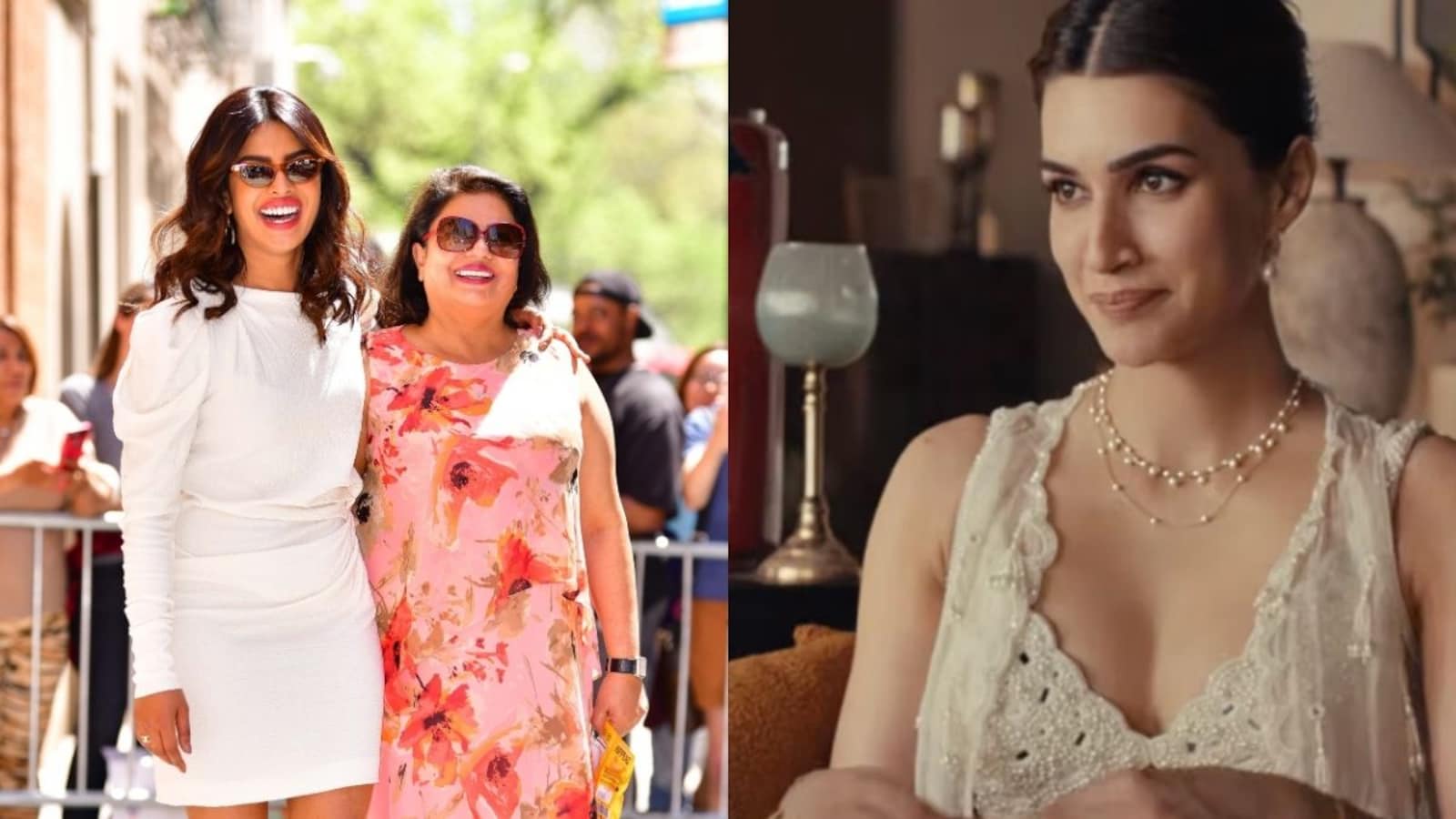
Madhu Chopra, Kriti Sanon Clash Over Raksha Bandhan Ad

Kriti Sanon Defends Raksha Bandhan Ad Amid Backlash
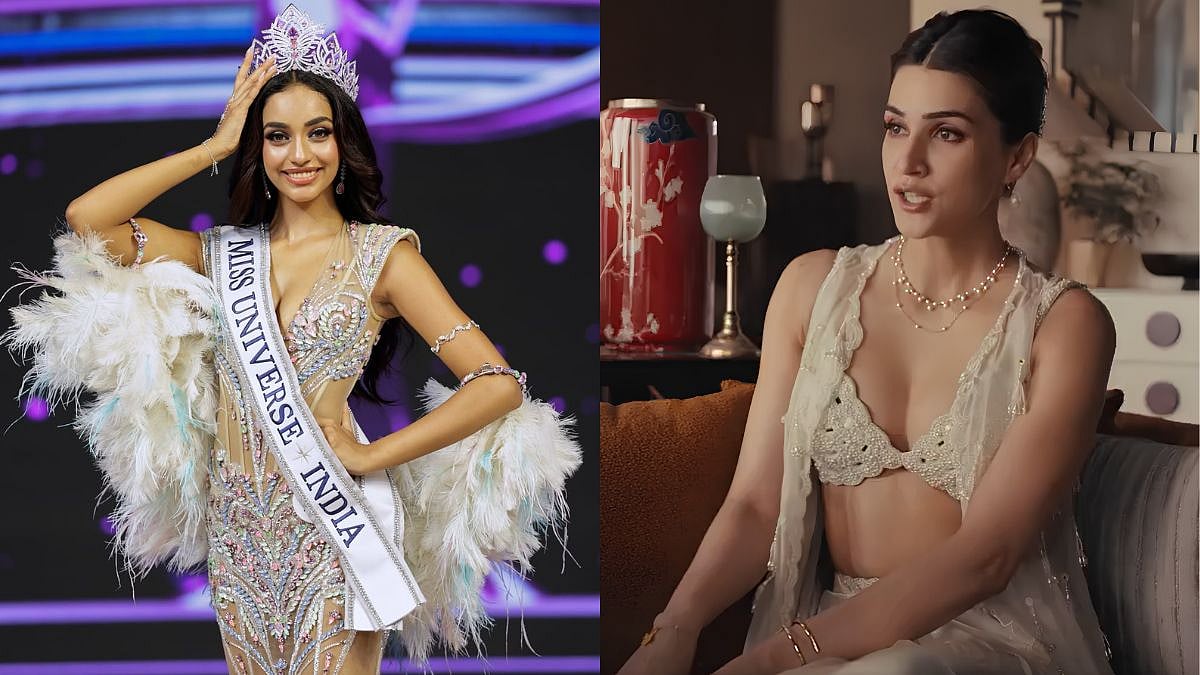
Miss Universe India 2026 Weighs In On Kriti Sanon Ad

Celebrity Looks Show How to Add Whimsy to Everyday Fashion

Giva Withdraws Raksha Bandhan Ad After Social-Media Outcry

Kareena Dodges Kriti Ad Debate as Meghna Gulzar Responds