2 weeks ago
FCRA Amendment Bill Sent to Joint Parliamentary Committee amid Objections
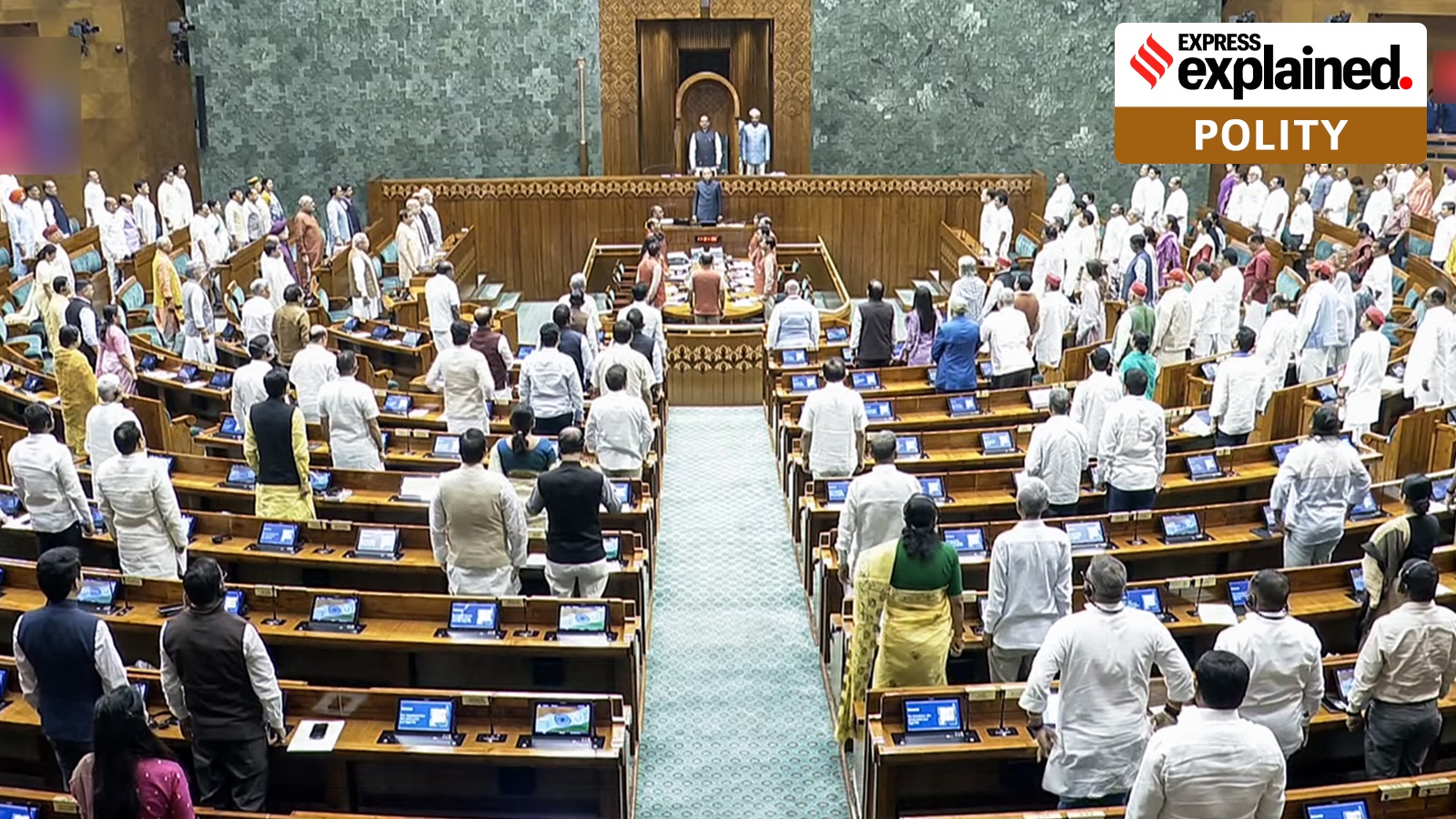
Sometimes, the people who make laws want to change a rule about money that comes from other countries.
Many people and groups were worried about that new rule, so the lawmakers decided to ask a special team to study it carefully.
The special team is called a Joint Parliamentary Committee, and it works a bit like a school project group for grown-ups.
The team reads the rule slowly, asks experts lots of questions, and listens to people who like or dislike it.
Then, the team tells the government what it thinks should change.
The government does not have to follow the team's advice, but it often listens.
Sometimes the team's ideas have made laws better, and once the government even dropped a law it did not like.
When members of the team disagree with the final plan, they can write their own note explaining why — that is called a dissent note.
In the past, these notes rarely changed the government's final decision.
Still, the committee gives worried people a chance to be heard, and the government has to explain its choices.

The Lok Sabha referred the Foreign Contribution (Regulation) Amendment Bill, 2026 to a Joint Parliamentary Committee (JPC) amid strong objections from the Opposition and the Church.
Objections centre on provisions including the retrospective vesting of foreign-funded assets in a government-designated authority.
JPC membership mirrors party strength in Parliament, so the ruling party normally has a majority and the chairperson; committee recommendations are not binding on the government.
Committee scrutiny has altered laws before — the Stock Market Scam JPC (2001-02) led to action on 236 recommendations and the FRDI Bill (2017) was withdrawn — but Opposition positions are mostly confined to dissent notes.
PRS Legislative Research data shows Bill referrals to committees fell from about 60% in the 14th Lok Sabha and 71% in the 15th to about 25% in the 16th and 16% in the 17th Lok Sabha (2019-24).
- Who
- The Lok Sabha and the Indian government, with the Opposition and the Church raising strong objections.
- What
- The Foreign Contribution (Regulation) Amendment Bill, 2026 was referred to a Joint Parliamentary Committee for a second layer of scrutiny.
- Where
- Lok Sabha, Parliament of India.
- When
- On Wednesday; the article does not state the exact date.
- Why
- Following strong objections to provisions including the retrospective vesting of foreign-funded assets in a government-designated authority, and to provide formal scrutiny.
Government and committee majority view
Opposition and critics' view
Can JPCs change laws?
Government and committee majority view
JPCs have produced detailed recommendations that led to regulatory action — the Stock Market Scam JPC (2001-02) saw action on 236 recommendations, and the FRDI Bill (2017) was withdrawn after scrutiny — forcing the government to explain, amend, clarify or reconsider parts of a Bill.
Opposition and critics' view
Opposition objections are mostly recorded in dissent notes and rarely become part of the final legislation, especially when a Bill is central to government policy, as with the Personal Data Protection Bill and the Citizenship (Amendment) Bill.
The FCRA Bill 2026 referral
Government and committee majority view
The government chose to refer the Bill to a JPC even though it has the numbers to pass it in the Lok Sabha, giving stakeholders a formal forum to put their concerns on record.
Opposition and critics' view
The Opposition and the Church strongly objected to the Bill — including the retrospective vesting of foreign-funded assets — and because the ruling party has a majority on the JPC, their objections may not change the law.
Declining use of committees
Government and committee majority view
JPCs are increasingly reserved for particularly contentious legislation, concentrating scrutiny where it is most needed.
Opposition and critics' view
Bill referrals to committees fell from about 60-71% to about 16%, showing that routine parliamentary scrutiny has weakened under successive governments.
Key facts
- Bill
- Foreign Contribution (Regulation) Amendment Bill, 2026
- Referring house
- Lok Sabha (lower house of India's Parliament)
- Referred to
- Joint Parliamentary Committee (JPC)
- Key contested provision
- Retrospective vesting of foreign-funded assets in a government-designated authority
- Objectors
- Opposition parties and the Church
- Committee philosophy
- "Influence, not direct control; advise, not command; criticism, not obstruction; scrutiny, not initiative; accountability, not prior approval"
- Example impact
- Stock Market Scam JPC (2001-02) — government reported action on 236 recommendations
- Referral rate, 17th Lok Sabha (2019-24)
- About 16% of Bills (PRS Legislative Research)
Sources
Related news

FCRA Amendment Bill Referred to JPC Amid Parliament Deadlock
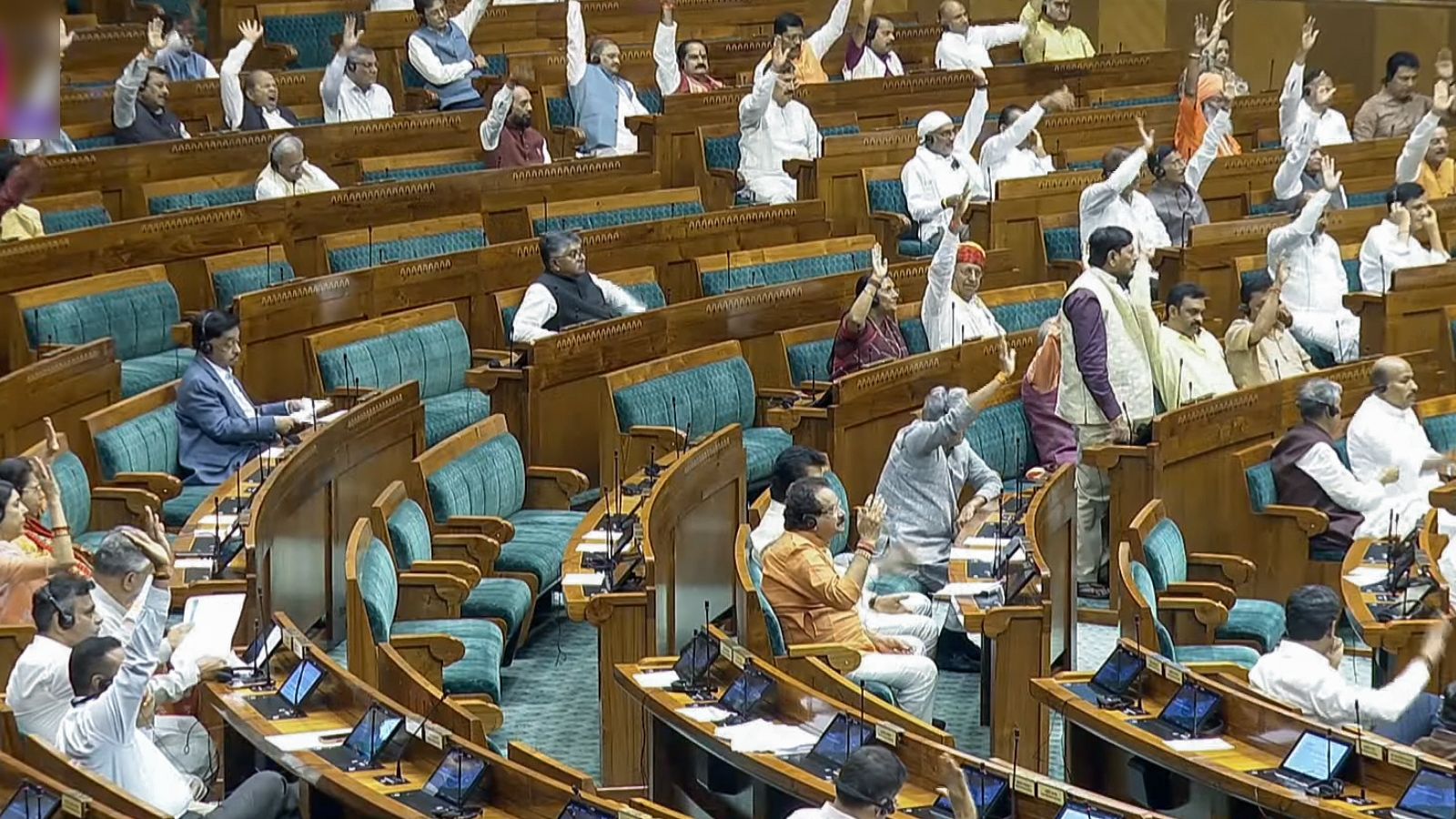
Amid Pushback, Government Ready to Refer FCRA Bill to JPC

Shah to Move Motion to Send FCRA Bill to JPC

FCRA Amendment Bill referred to joint committee amid Opposition protests
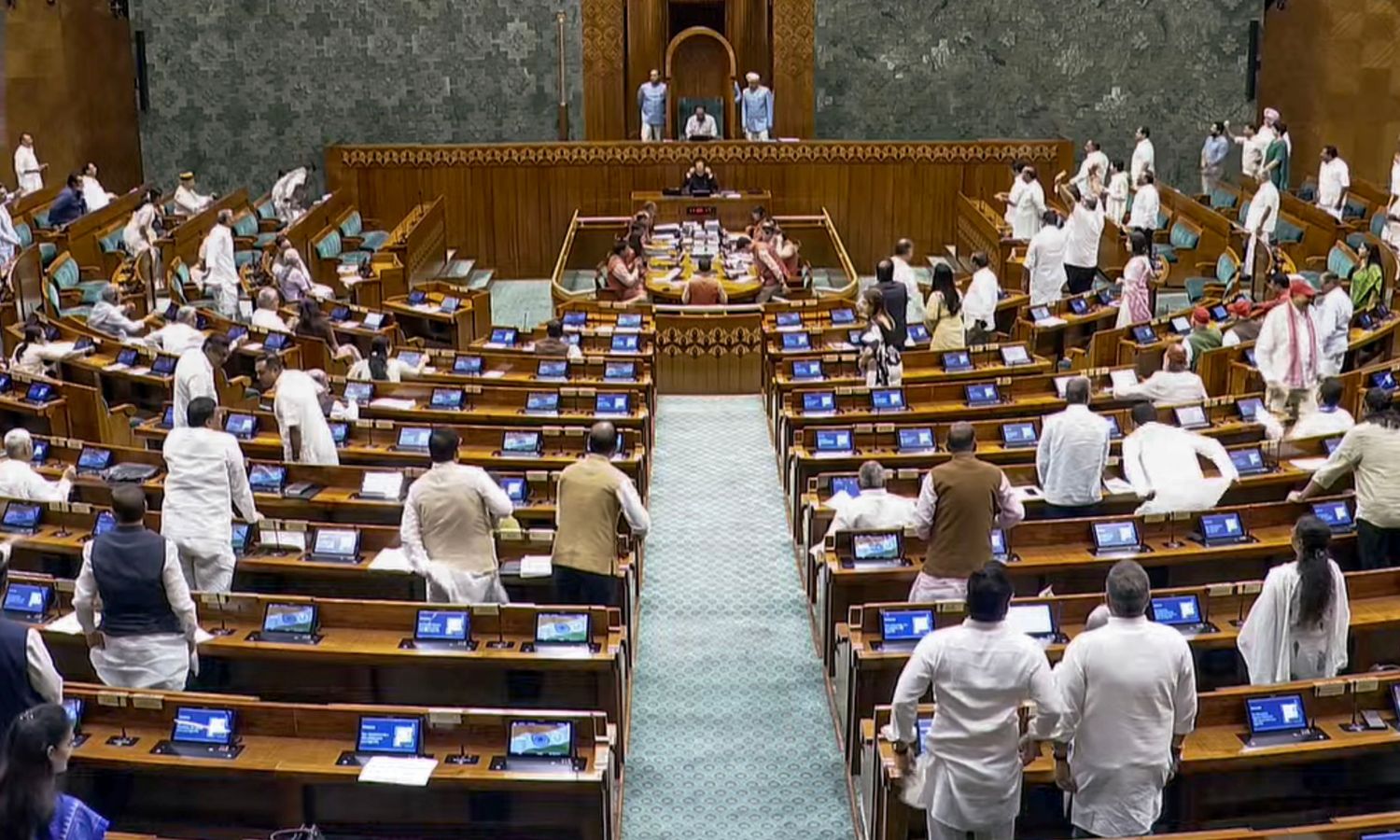
Govt considering sending FCRA Bill to joint committee for scrutiny
FCRA Amendment Bill Referred to Joint Committee for Scrutiny

Farooq Abdullah’s Threat Claims Ignite Fury Over Kashmir Statehood

GDP Row Escalates as Government Rebuts 2.6% Growth Claim

Karra Says J-K People Caught Between Two Power Centres

Telangana BJP Accuses Congress of Intimidating Opposition

Vijayendra's Ballari Chalo Highlights Drought, Farmers And Congress Government Criticism