

8 months ago
World Bank Proposes '35 by 35' for Cleaner Air
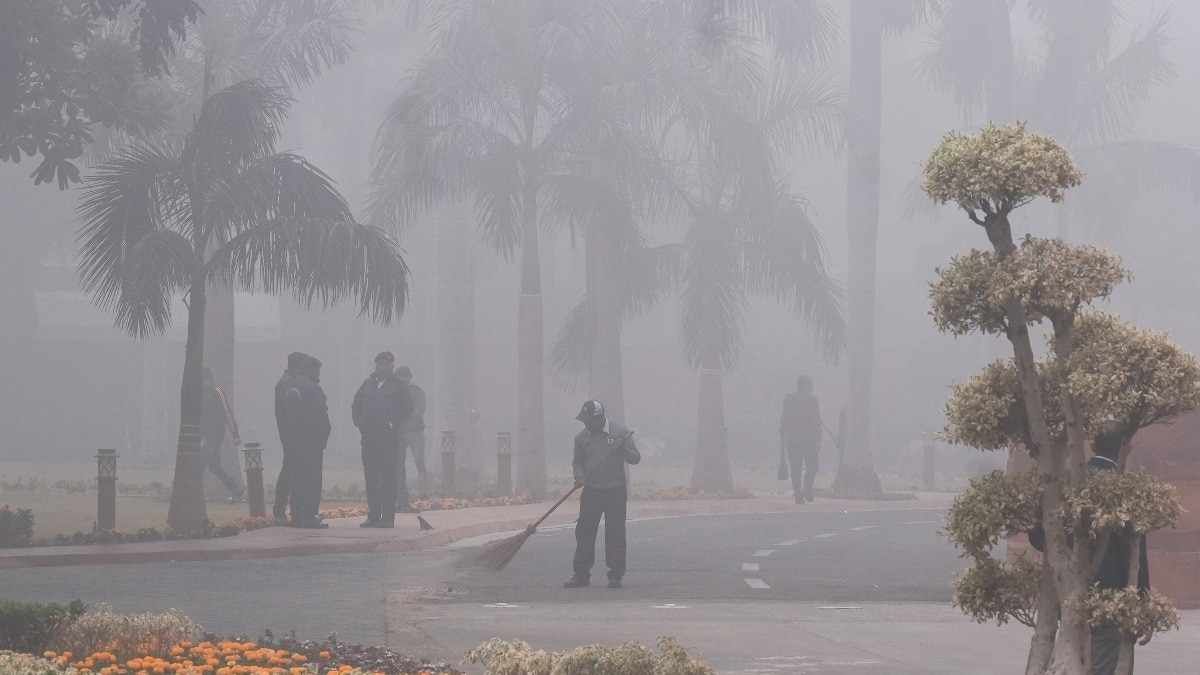
The World Bank has a plan to help make the air cleaner in a big area that includes parts of India, Pakistan, Bangladesh, Bhutan, and Nepal.
They want to reduce the bad stuff in the air, called PM2.5, to below 35 micrograms per cubic meter by the year 2035.
This is called '35 by 35'.
The plan has three main parts: reducing pollution at its source, protecting people's health, and making strong rules to keep the air clean.
They suggest using cleaner fuels for cooking, better technology for industries, electric vehicles, and better ways to manage farm waste.
The World Bank says that because air moves across borders, everyone needs to work together to make the air cleaner.

World Bank proposes '35 by 35' to reduce PM2.5 below 35 µg/m³ by 2035 in the Indo-Gangetic Plains and Himalayan Foothills.
Solutions include reducing emissions at source, protecting health, and strengthening institutions.
Key interventions involve clean cooking fuels, electrifying industries, promoting electric vehicles, and better waste management.
Air pollution in the region comes from households, industries, vehicles, agriculture, and waste burning.
Coordinated action across sectors and jurisdictions is necessary due to cross-border air pollution.
- Who
- World Bank, governments of Bangladesh, Bhutan, India, Nepal, Pakistan
- What
- Proposed solutions to reduce air pollution
- Where
- Indo-Gangetic Plains and Himalayan Foothills
- When
- Target year 2035
- Why
- To reduce PM2.5 concentrations below 35 µg/m³
Key facts
- Target Year
- 2035
- Target PM2.5 Level
- Below 35 µg/m³
- Region
- Indo-Gangetic Plains and Himalayan Foothills
- Key Sources of Pollution
- Households, industries, vehicles, agriculture, waste burning
- Example Success
- China reduced PM2.5 by 30% in 5 years
- Core Areas of Solutions
- Abatement, protection, strong institutions
- Countries Involved
- Bangladesh, Bhutan, India, Nepal, Pakistan
Quotes

World Bank report
The World Bank report titled 'A Breath of Change: Solutions for Cleaner Air in the Indo-Gangetic Plains and Himalayan Foothills'
“As air flows freely across administrative and national borders, no jurisdiction can achieve clean air on its own. In many jurisdictions, more than half of ambient PM2.5 concentrations originate outside local boundaries, carried by regional pollutants.”
 businesstoday.in
“International experience shows that rapid and sustained improvements can be achieved when governments commit to ambitious targets and back them with action.”
businesstoday.in
Sources
Related news
Bengal’s Durga Puja Draws Food and Political Battles

Bangladesh Promises Support and Safety Ahead of Durga Puja
Bengal Needs a Common River Agenda with Bangladesh

50th Kolkata Book Fair Marks Vande Mataram’s 150th Anniversary

Gauhati High Court Orders Compensation After Woman’s Deportation
