

0 months ago
Supreme Court Asks Centre To Consider High-Risk AI Plea
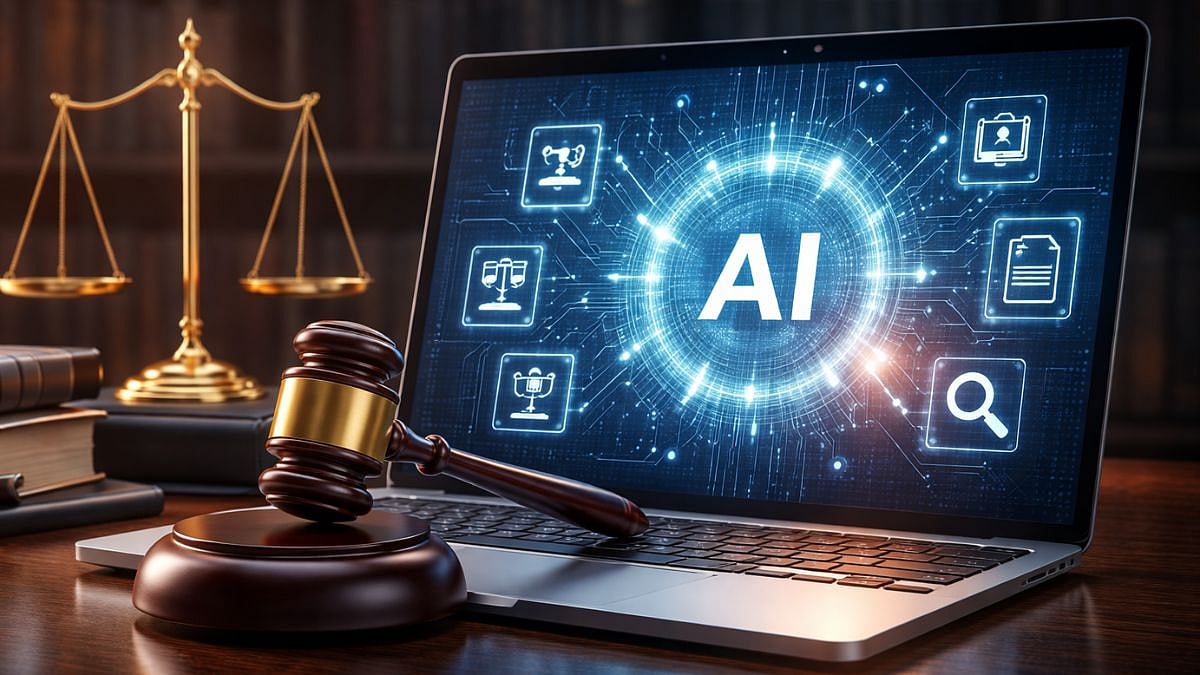
The Supreme Court talked about a special kind of computer program called artificial intelligence, or AI.
A lawyer named Narendra Kumar Goswami told the court that the government uses AI for important things like deciding who gets food help, health benefits, wages, pensions and scholarships.
He said there are no clear rules to make sure this AI is fair and safe.
He asked the court to order the government to make strict rules and check its AI systems.
The judges said AI is a very technical topic and they are not experts in it.
They said making rules for AI is the government's job, not the court's.
So the court asked the government to look at the lawyer's ideas and take action.
The lawyer can still send more suggestions to the government later.
The case matters because AI decisions can affect people's lives, so the petition wants humans to oversee AI and check it for bias and unfairness.

The Supreme Court asked the Centre to consider a petition seeking binding guidelines and safeguards for 'high-risk' AI systems used in welfare, policing, surveillance and content regulation.
A three-judge bench led by Chief Justice of India Surya Kant and Justices Joymalya Bagchi and V Mohana heard the plea filed by advocate Narendra Kumar Goswami.
The bench said the issue is 'highly technical' and falls in the 'policy domain,' noting that judges are 'not the experts.'
The petition demands a high-powered expert committee, mandatory algorithmic impact assessments, bias audits, human-in-the-loop oversight and data protection safeguards.
It also seeks a public inventory and six-week algorithmic impact assessment and bias audit of existing systems in welfare allocation, predictive policing, facial recognition and content moderation.
- Who
- A Supreme Court of India bench of Chief Justice of India Surya Kant and Justices Joymalya Bagchi and V Mohana; petitioner-advocate Narendra Kumar Goswami; the Union government (Centre).
- What
- The court disposed of the public interest litigation and asked the Centre to consider its suggestions for binding guidelines, transparency and safeguards for high-risk government AI, without expressing an opinion on the merits.
- Where
- Supreme Court of India.
- When
- On Thursday (exact date not specified in the article).
- Why
- The plea argued that without a comprehensive statutory framework, government AI use could affect people's access to food, health benefits, wages, pensions, scholarships and welfare subsidies.
Judicial Oversight
Executive Policy-Making
How to regulate high-risk government AI
Judicial Oversight
Petitioner Narendra Kumar Goswami sought court directions for binding AI ethics guidelines, mandatory bias audits, human-in-the-loop oversight and parliamentary legislation, arguing the lack of a statutory framework puts welfare access at risk.
Executive Policy-Making
The Supreme Court bench said judges are 'not the experts' and the issue is 'highly technical' and in the policy domain, so it referred the suggestions to the Centre for policy formulation rather than laying down judicial guidelines.
Key facts
- Court
- Supreme Court of India
- Bench
- Chief Justice of India Surya Kant; Justices Joymalya Bagchi and V Mohana
- Petitioner
- Narendra Kumar Goswami, advocate
- Petition type
- Public Interest Litigation (PIL)
- AI systems covered
- Welfare, policing, surveillance, content regulation
- Key demands
- Binding AI ethics guidelines, algorithmic impact assessments, bias audits, human-in-the-loop oversight, data protection safeguards
- Audit timeline requested
- Within six weeks
- Outcome
- Petition disposed; suggestions referred to the Centre for consideration
Quotes
Chief Justice Surya Kant
Supreme Court judge
“"Tell us what can we do," the Bench told the petitioner at the outset.”
 freepressjournal.in
“"Send your writ petition as a representation," the Bench said.”
freepressjournal.in
Sources
Related news
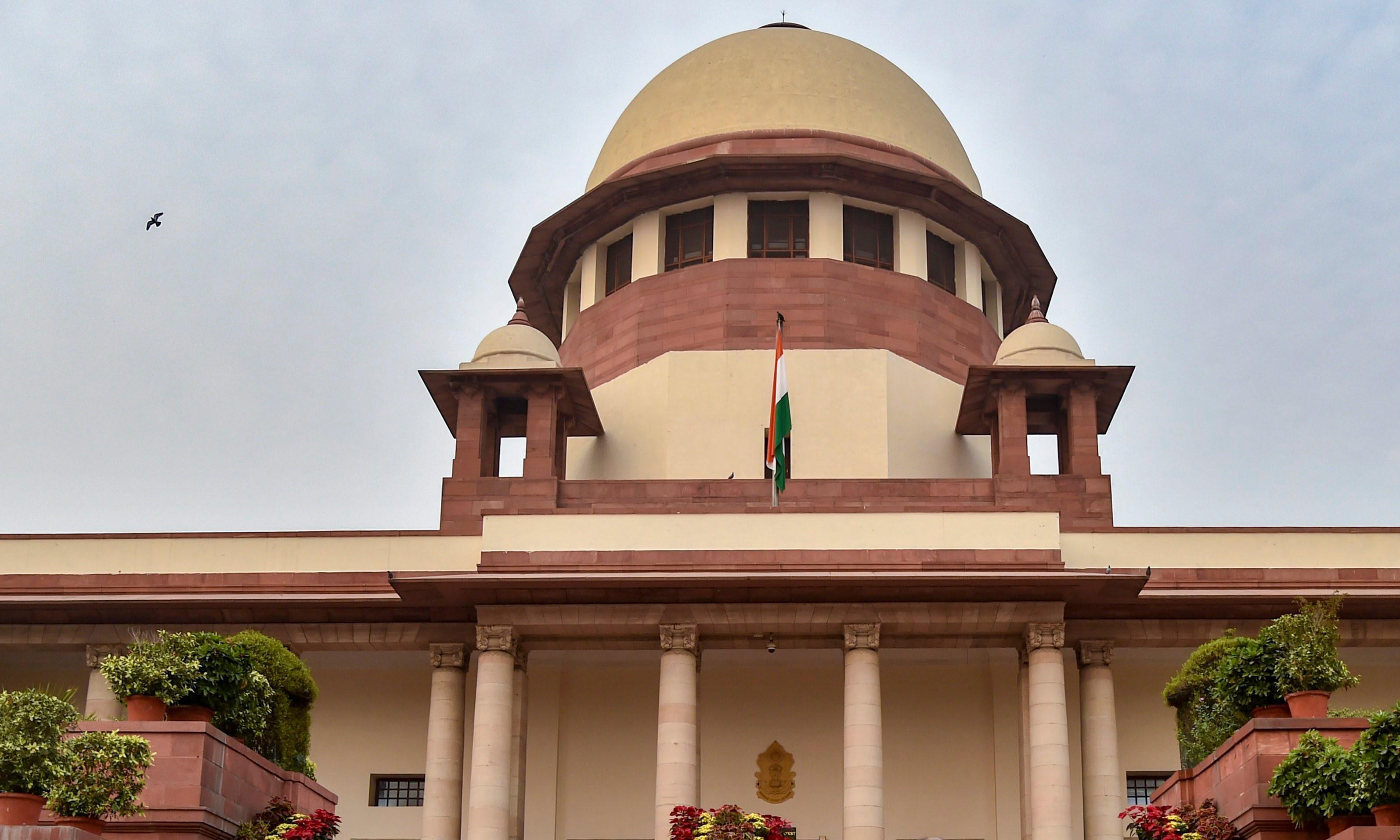
Supreme Court asks Centre to consider AI ethics guidelines suggestions

Judge Blocks Pentagon’s Anthropic Supply Chain Risk Designation
Judge Blocks Pentagon Retaliation Against Anthropic Over AI Limits

AI Researcher Quits, Lawmakers Demand Tougher US Rules

Why AI Decisions Need More Than Personal Data Consent

IIT-Kanpur AI Family Score Could Transform Welfare Delivery

Magistrate Suspended After Rs 5 Lakh Notice To Protester
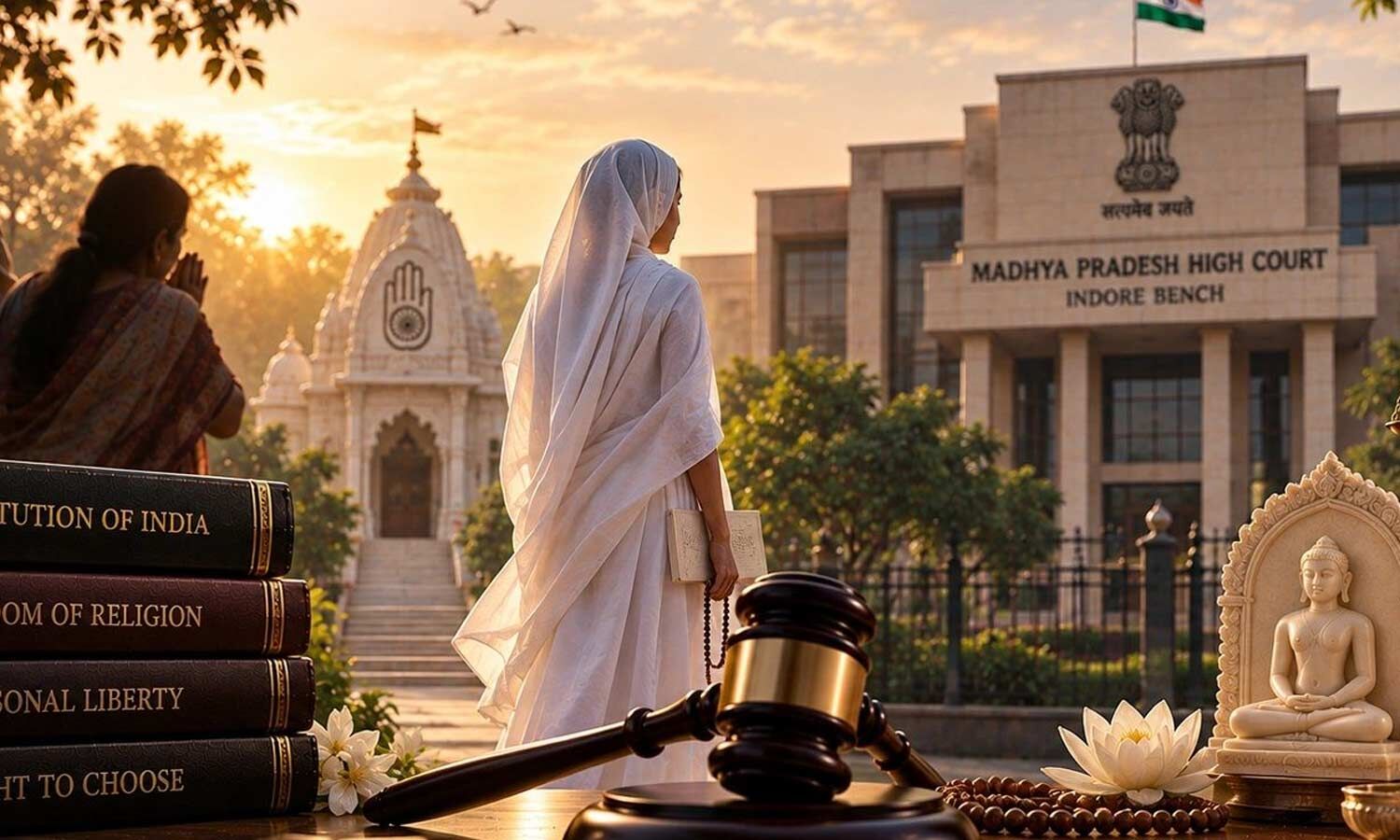
High Court Protects 20-Year-Old Seeking Jain Sadhvi Life

Bhopal Property Crackdown Faces Questions Over Supreme Court Figures
CPI Seeks Probe, Cancellation of Bal Sanjeevani Tenders
Karnataka to Move Supreme Court Over ₹2,186-Crore Grant Withholding
