

1 hr ago
OpenAI Says Iran-Linked Operatives Used ChatGPT to Place Articles
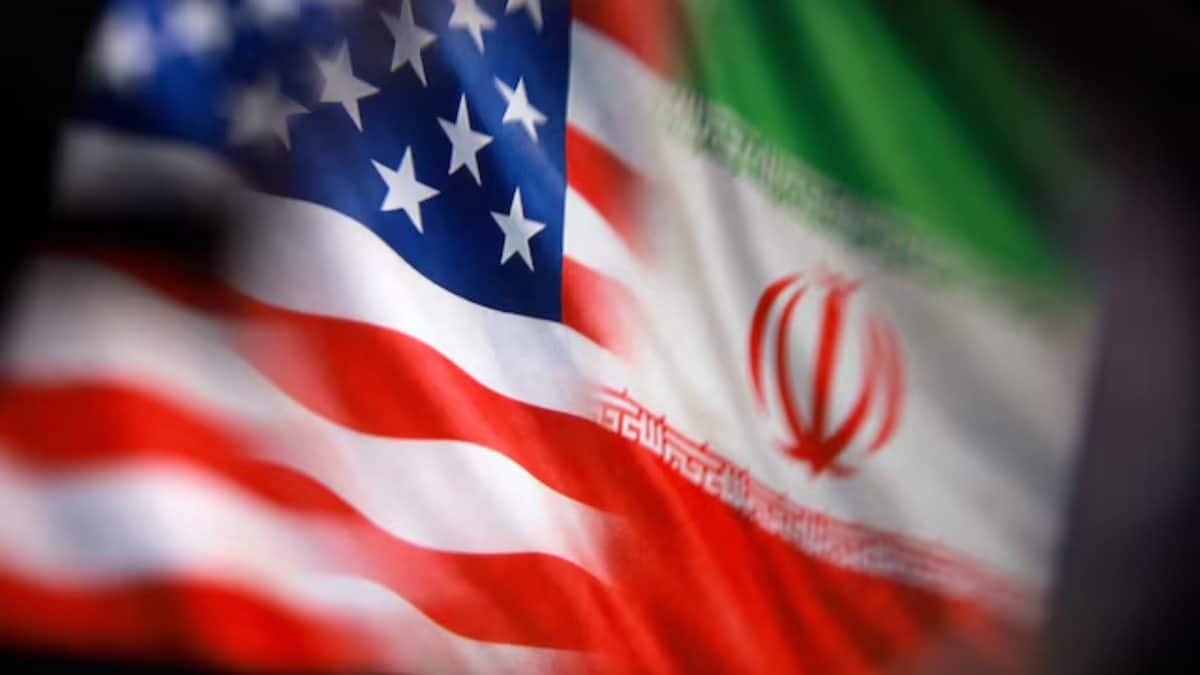
OpenAI says some people used ChatGPT to help make articles and online comments criticizing the United States’ actions in the war with Iran.
The company says the users pretended to be journalists and that about 100 articles appeared on around a dozen websites.
The articles and comments presented the United States as the aggressor and Iran as standing strong.
OpenAI says it banned the accounts involved.
But the company does not know exactly who was behind the campaign or whether they worked for Iran’s government.
The report says major publications did not appear to publish the articles.
One outlet named in the report, Middle East Monitor, said it would look into them.
A former US intelligence official said AI can help people disguise who is behind influence campaigns.

OpenAI said accounts used ChatGPT in Farsi to edit articles and pitches and generate social media comments.
The company reported that roughly 100 articles by seven purported journalists appeared in about a dozen outlets worldwide.
OpenAI said the campaign presented the United States as an aggressor, Israel as an unreliable ally, and Iran as resilient.
OpenAI said it could not identify the actor behind the activity or establish whether it was affiliated with Iran’s government.
Middle East Monitor director Daud Abdullah told CNN he would review the flagged articles and take appropriate action.
- Who
- OpenAI reported that users it described as Iranian operatives used ChatGPT; it said the actor behind the activity was unidentified.
- What
- The users allegedly used ChatGPT to prepare articles, editorial pitches, and social media comments for an influence campaign.
- Where
- The reported articles appeared in outlets around the world, including some with US audiences.
- When
- OpenAI made the report on Thursday; the article does not give a calendar date.
- Why
- OpenAI said the activity aimed to put anti-war narratives before US audiences, but the actor’s identity and affiliation were unclear.
OpenAI’s account
Uncertainty and response
Who was behind the campaign
OpenAI’s account
OpenAI said the activity appeared consistent with a commercial actor running a for-hire influence campaign.
Uncertainty and response
OpenAI said it could not identify the specific actor or determine whether it was affiliated with the Iranian government.
Publication and reach
OpenAI’s account
OpenAI said about 100 articles by seven fake journalists ran in roughly a dozen outlets, potentially bringing the narratives to audiences.
Uncertainty and response
The report said major publications did not appear to run the articles; Middle East Monitor said it would review the articles OpenAI flagged.
Key facts
- Articles reported
- Roughly 100
- Outlets reported
- About a dozen around the world
- Purported journalists
- Seven
- Language used with ChatGPT
- Farsi
- OpenAI’s response
- It said it banned the accounts involved.
- Actor’s identity
- OpenAI said it could not identify the actor or confirm a link to Iran’s government.
- Outlet response
- Middle East Monitor director Daud Abdullah said he would review the flagged articles and take appropriate action.
Quotes
Jessica Brandt
Former head of the Office of the Director of National Intelligence’s Foreign Malign Influence Centre.
“The users asked for comments on topics such as missile strikes, ceasefires, and diplomatic manoeuvring, specifying outputs that portrayed the US as the aggressor, Israel as an unreliable ally of the US, and Iran as a defiant but resilient victim”
 firstpost.com
“The overall activity appeared consistent with a commercial actor running a for-hire influence campaign, but we are unable to identify the particular actor involved”
firstpost.com
Sources
Related news
OpenAI Disrupts Russian and Iranian ChatGPT Propaganda Operations
Anthropic Says Iran-Linked Users Targeted US Naval Forces
Google Earth AI Experiment Exposes Need for Stronger Guardrails
Iranian Billboards Mock Trump and Portray Military Victory
Trump Uses AI Images While Offering Little Policy Detail
