1 week ago
RBI MPC Keeps Rates Unchanged Amid Food and Fuel Risks
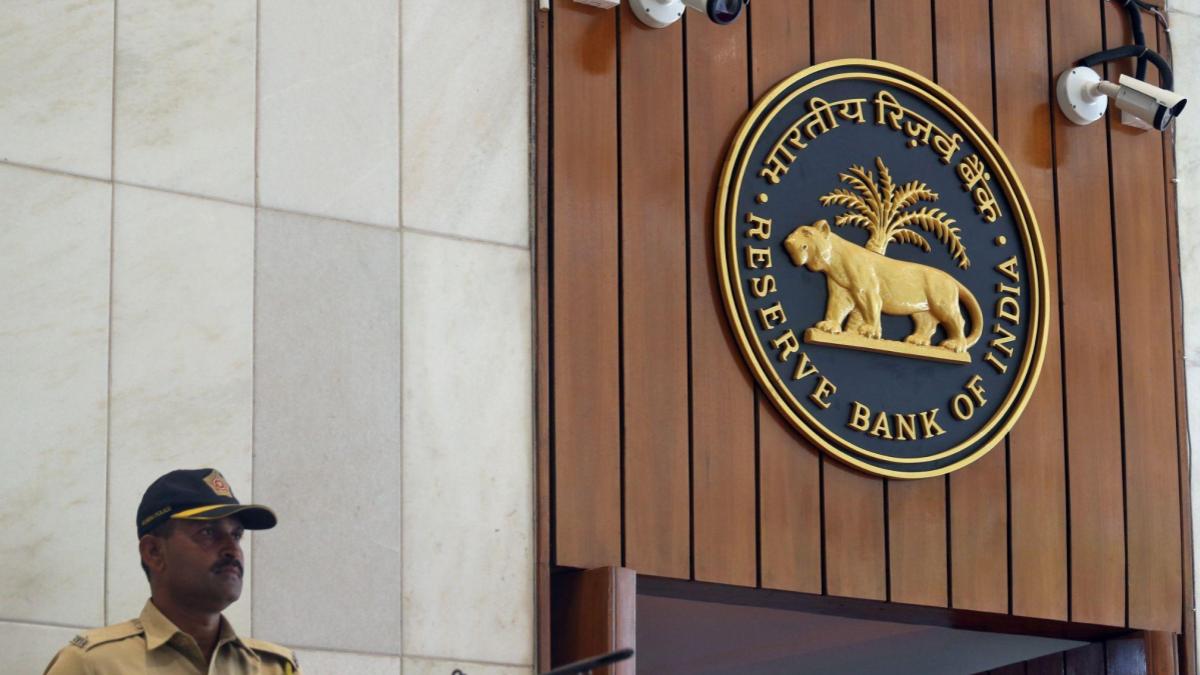
India’s central bank decided not to change its main interest rate.
The rate will stay at 5.25 per cent.
Officials are worried that food and fuel could become more expensive.
However, they have not yet seen these price increases spread widely across the economy.
They want to wait for more information before changing policy.
Global conflicts, oil prices and uncertain weather could affect inflation.
The economy has continued to perform better than expected.
If inflation spreads and stays high, the central bank may raise rates later.

The six-member MPC unanimously kept the repo rate unchanged at 5.25 per cent.
Members identified food and fuel prices as inflation risks but found limited evidence of broad-based pressures.
The committee chose to wait for greater clarity on energy costs and inflation persistence.
Economic activity remained resilient, supported by domestic demand, investment and exports, despite global headwinds.
Geopolitical tensions, volatile oil prices, an erratic monsoon and El Niño remained key uncertainties.
- Who
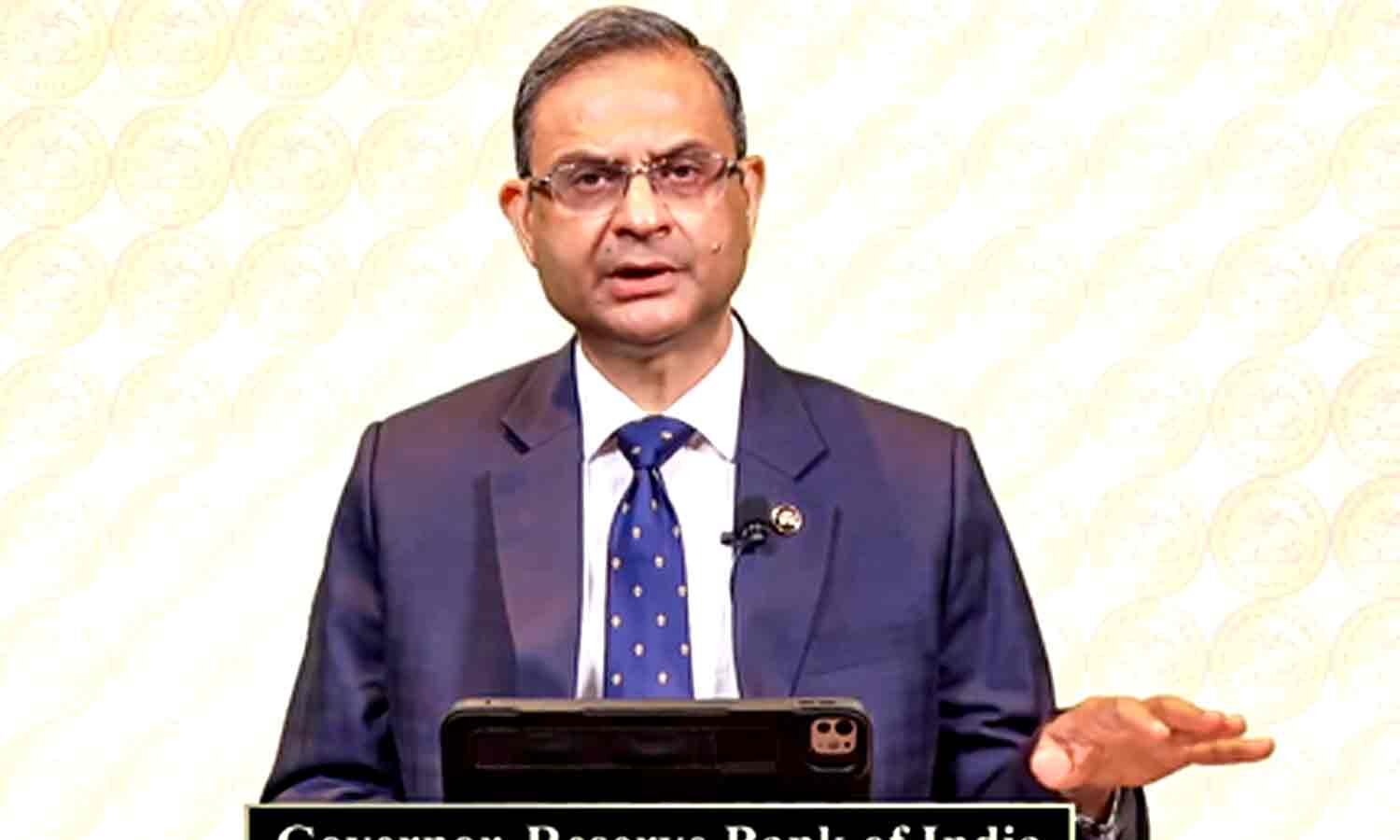
- The Reserve Bank of India’s six-member Monetary Policy Committee, led by Governor Sanjay Malhotra.
- What
- The MPC unanimously kept the benchmark repo rate unchanged at 5.25 per cent and adopted a wait-and-watch approach.
- Where
- New Delhi, with the committee discussing risks linked to global and domestic conditions.
- When
- The MPC met from August 3 to 5, and its minutes were released on Wednesday.
- Why
- Food and fuel inflation risks remained, but there was limited evidence of broad-based or persistent price pressures.
Wait-and-watch approach
Case for possible tightening
How to respond to current inflation
Wait-and-watch approach
Sanjay Malhotra, Poonam Gupta and Indranil Bhattacharyya said evidence of inflation becoming broad-based or entrenched remained limited, supporting continued observation.
Case for possible tightening
Malhotra warned that higher food, fuel and input costs could spread across the economy, de-anchor expectations and require policy tightening.
Need for more information
Wait-and-watch approach
Poonam Gupta said waiting would allow weather uncertainties to settle and provide greater clarity on global developments and supply-side inflation.
Case for possible tightening
The minutes highlighted the risk that conflict-related energy costs and supply-chain disruption could produce more persistent inflation if they pass through to wider prices.
Key facts
- Policy rate
- Repo rate retained at 5.25 per cent.
- Decision
- All six MPC members voted to continue the pause.
- Inflation risks
- Food and fuel prices, higher energy costs, volatile oil prices and supply disruptions.
- Global uncertainty
- The US-Iran conflict and wider West Asia developments were cited as risks.
- Weather risks
- An erratic monsoon and possible El Niño effects remained concerns.
- Growth support
- Domestic demand, investment and exports supported economic resilience.
- Possible future action
- Governor Sanjay Malhotra said policy tightening may be needed if inflation risks materialise.
Quotes
Deputy Governor and MPC member Poonam Gupta
Deputy Governor of the Reserve Bank of India
“I would prefer to wait for more certainty to emerge on the inflation trajectory in terms of the persistence of realised prints at these or higher levels, the forecast and the likely levels to which inflation may normalise and settle, for any recalibration of the policy rate.”
 thehansindia.com
“This would allow for the weather-related uncertainties to fully settle; to ascertain how far the supply-side inflation is getting entrenched; and to get some more clarity on the global front.”
thehansindia.com
Sources
Related news
RBI Waits on Rate Recalibration Amid Broadening Inflation Risks

RBI Keeps Repo Rate at 5.25% Amid Iran War Risks
RBI minutes signal caution as inflation raises hike risk

Indian Bond Yields Near 7% as Rate Hike Bets Rise

India Growth May Beat Forecast as Rate Hike Bets Rise
RBI Deputy Governor Says India Growth May Beat Forecast

India’s FY26 Growth May Near 7%, Exceeding RBI Forecast
India’s Growth Could Near 7% Despite Triple Economic Shock