12 hrs ago
Ladakh Talks Focus on Article 371 Safeguards and Demands

Ladakh wants more control over decisions that affect its people and environment.
Its leaders are asking for protections for local land, jobs and culture.
The central government has proposed a new elected body for the Union Territory.
This body would have powers to make decisions, manage administration and control money.
Five new districts and local councils are also being planned.
The government says it has improved roads, electricity, water, communications and tourism in Ladakh.
The talks are happening after a protest in Leh last September turned violent and four people died.
Both sides are being urged to use patience and continue negotiating.

The Centre and Ladakh representatives are negotiating a democratic structure to protect land, jobs, culture and the environment.
The proposed constitutional arrangement would create a directly elected Union Territory-level body with legislative, executive and financial powers.
Five new districts are being created, with elected Hill Development Councils planned, while preparations continue for panchayat elections.
Ladakh already provides 95% reservation of local government positions, and nearly 5,000 young people have received government employment.
The talks follow last September’s protest violence in Leh, in which four people were killed during police action and a judicial inquiry was ordered.
- Who
- The central government and representatives of Ladakh, including its political leadership.
- What
- They are negotiating constitutional safeguards and a democratic structure for Ladakh, including a proposed directly elected Union Territory-level body.
- Where
- Ladakh, particularly the administrative centres of Leh and Kargil, in the Union Territory administered from Delhi.
- When
- The negotiations are ongoing, about a year after the protest violence in September; Ladakh became a Union Territory in 2019.
- Why
- Ladakh’s representatives seek protections for land, local jobs, culture and the fragile environment, along with greater political and administrative authority.
Ladakh Representatives’ Demands
Central Government’s Position
Political safeguards
Ladakh Representatives’ Demands
Ladakh’s representatives seek a democratic structure that protects land, jobs, culture and the environment, with greater local authority.
Central Government’s Position
The Centre has offered a constitutional arrangement under Article 371, featuring a directly elected Union Territory-level body with legislative, executive and financial powers.
Pace of change
Ladakh Representatives’ Demands
The continuing demands and the protest movement indicate that Ladakh’s leadership considers existing arrangements insufficient to resolve its concerns.
Central Government’s Position
The Centre says it has moved further and faster for Ladakh in six years than in the preceding seven decades and argues that negotiations require patience and consensus-building.
Local employment
Ladakh Representatives’ Demands
Ladakh’s demand includes stronger protection for local jobs and opportunities for its youth.
Central Government’s Position
The Centre points to 95% local job reservation, nearly 5,000 government appointments and proposals for separate Ladakh administrative and police services.
Key facts
- Proposed arrangement
- A directly elected Union Territory-level body with legislative, executive and financial powers.
- Constitutional reference
- The headline refers to Article 371(K), while the article’s text describes the proposal under Article 371.
- Local job reservation
- Ladakh has 95% reservation of local government positions for residents, including educationally backward classes and economically weaker sections.
- Employment
- Nearly 5,000 young people have received government employment, with further recruitment planned.
- Administrative changes
- Five new districts are being created, each expected to receive an elected Hill Development Council.
- September protest
- Four people were killed during police action after a demonstration in Leh turned violent; a judicial inquiry was ordered.
- Development projects
- The article cites roads, the Zojila tunnel, expanded telecommunications, electricity, piped water and airport projects as recent improvements.
Sources
Related news
Centre Offers Article 371(K) as Ladakh Powers Remain Unclear
Ladakh Urged to Secure Gains While Talks Continue

Ladakh Groups Plan Padyatra After Talks With Centre Stall
Ladakh Denied Statehood, Offered Unique Elected Body With Powers
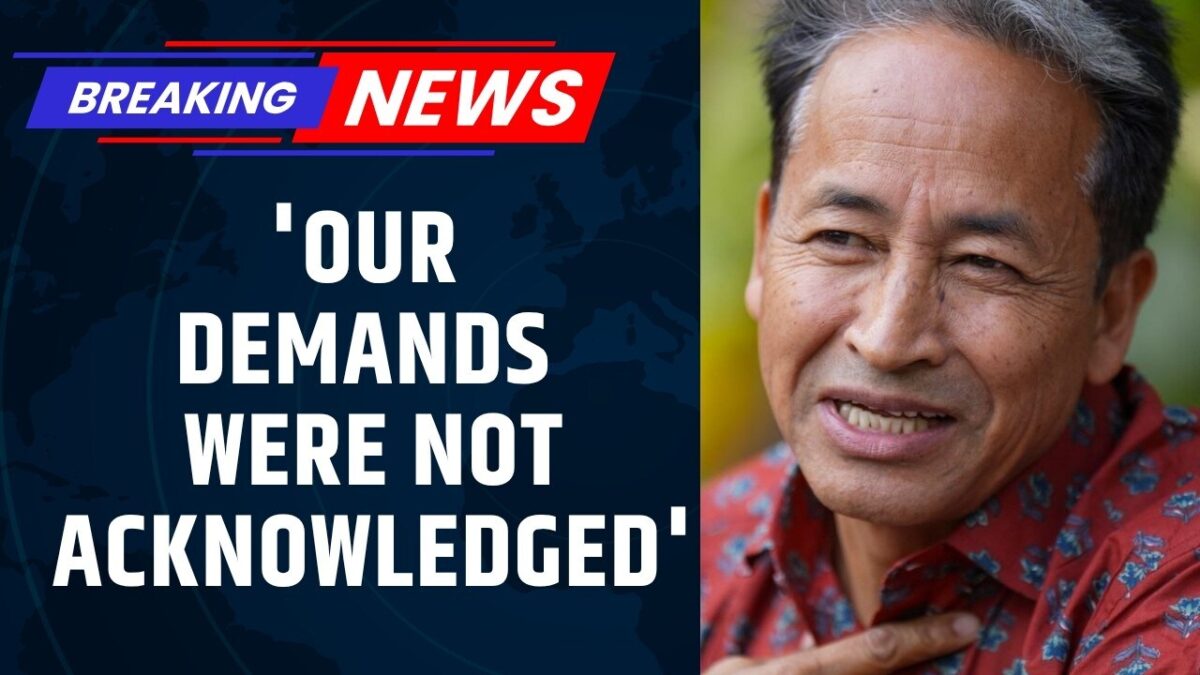
Sonam Wangchuk Warns Fresh Ladakh Agitation After Talks Stall
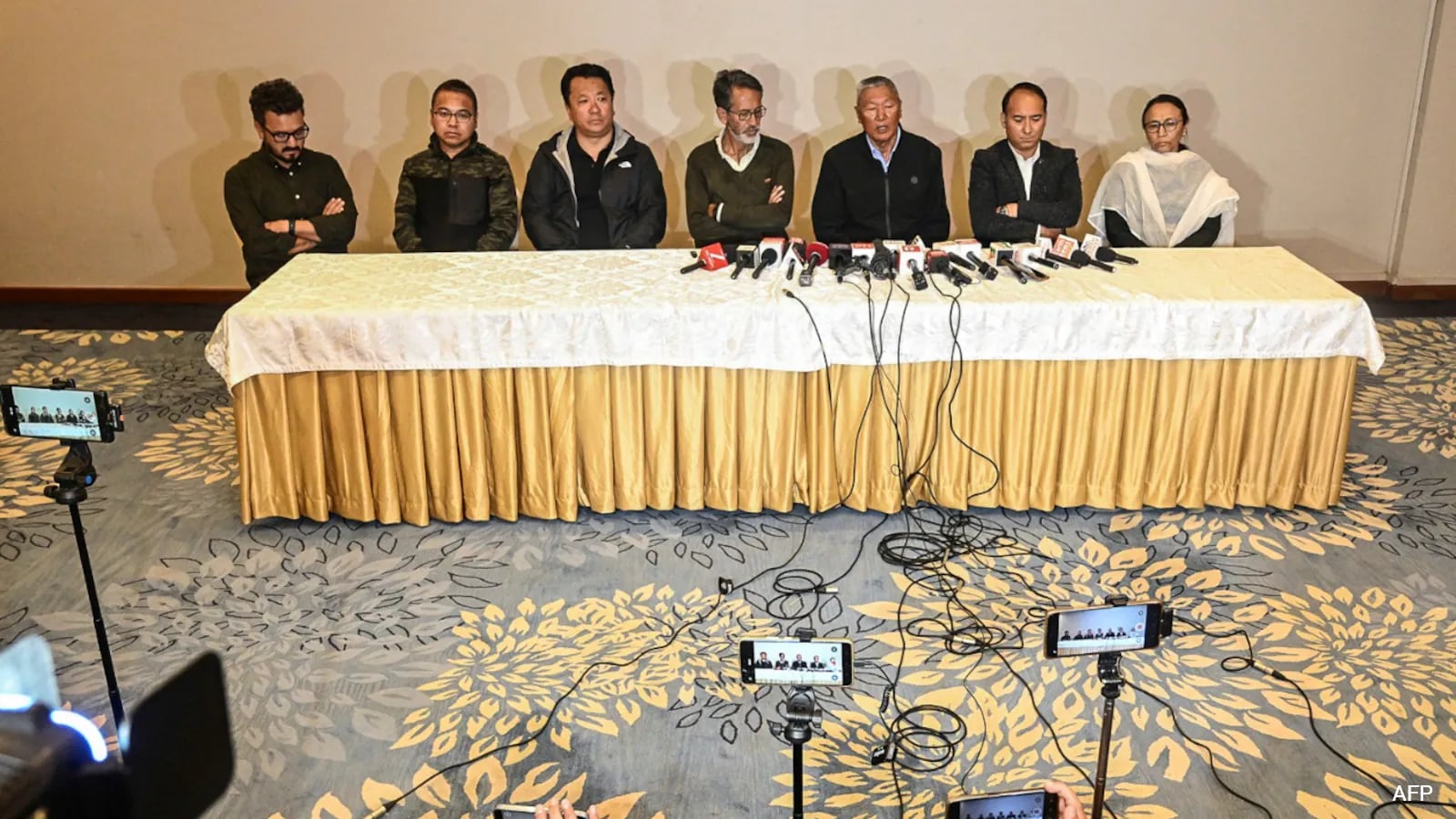
Ladakh Leaders Withdraw Protests as Centre Advances Constitutional Talks
J&K Assembly Erupts Over Free LPG Cylinder Scheme
PoJK Protest Crackdown Prompts Calls for UN Independent Probe

J-K Government Delays Timeline For Regularising Contractual Workers
High Court Orders Reinstatement of Disengaged Jammu and Kashmir SPO