

4 days ago
Editorial Urges Political Opposition to Defend Reform and Humanity
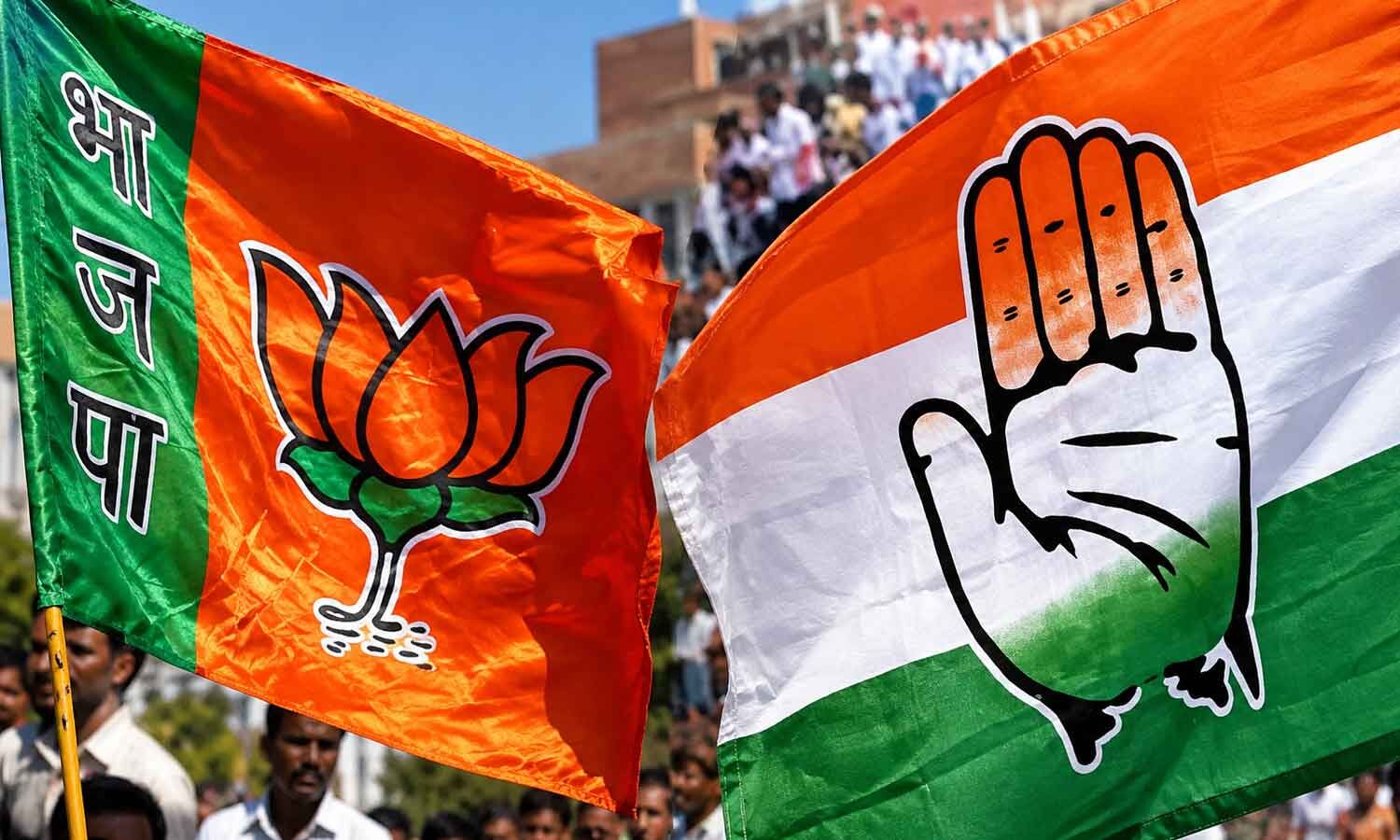
This editorial says political parties should help people during disasters, even when they disagree with the government.
It says opposing the BJP should not mean ignoring people who need help.
The writer also wants India to review its reservation rules.
The goal, according to the editorial, would be to make sure benefits reach people who need them most.
The writer says this should not remove support from genuinely disadvantaged groups.
The editorial argues that political parties often avoid reform because they fear losing votes.
It also criticizes some parties for using old arguments about caste and reservations.
Its main message is that political disagreements should not replace empathy or honest reform.

The editorial criticizes opposition parties for allegedly doing little beyond condolences after nature-related disasters that killed over 400 people and left about 1,400 missing.
It urges political parties to send volunteers, coordinate with the Union Government, and assist search and relief operations.
The author argues that reservation policies should be reviewed, including possible use of the creamy-layer principle, without harming genuinely disadvantaged people.
The editorial says reservation is not a fundamental right under Article 16(4), citing the view that governments can review and reform the policy.
It accuses vote-bank politics of blocking reforms involving reservations, the Uniform Civil Code, electoral changes, women’s reservation, and other national issues.
- Who
- The editorial addresses India’s opposition parties, the BJP-led government, reservation advocates, and political leaders including Ramdas Athawale.
- What
- It calls for greater humanitarian action during disasters and reform of India’s reservation policy and other national policies.
- Where
- India, with references to disaster relief involving Nepal and to Indian political and constitutional institutions.
- When
- The article does not provide a publication date; it refers to a disaster in which more than 400 people had died and around 1,400 were missing.
- Why
- The author argues that political opposition and vote-bank considerations are obstructing humanitarian assistance and meaningful policy reform.
Editorial’s Reform Argument
Criticized Opposition Position
Reservation policy
Editorial’s Reform Argument
The author argues that reservations should be reviewed and reformed, potentially using the creamy-layer principle, while protecting people who genuinely need assistance.
Criticized Opposition Position
The editorial says opposition leaders resist reform, portray it as anti-reservation or unconstitutional, and favor continuing reservations without comprehensive review.
Political response to disasters
Editorial’s Reform Argument
The author says political parties should mobilize volunteers, coordinate with the Union Government, and provide direct relief regardless of political differences.
Criticized Opposition Position
The editorial portrays opposition parties as largely limiting their response to condolences and waiting to criticize the government’s handling of the crisis.
Caste and political strategy
Editorial’s Reform Argument
The author argues that India cannot progress rapidly while politics remains centered on caste and vote-bank considerations.
Criticized Opposition Position
The article says opponents of reform view changes as threats to established political identities and the interests represented by caste-based mobilization.
Key facts
- Disaster toll cited
- More than 400 people had reportedly died.
- People reported missing
- Around 1,400 people were reported missing.
- Constitutional provision
- The editorial discusses Article 16(4) in relation to reservations.
- Reservation reform proposed
- The author supports reviewing reservation policy and introducing the creamy-layer principle.
- Other reforms mentioned
- The article references the Uniform Civil Code, electoral reforms, and implementation of women’s reservation.
- Legislative reservation
- The editorial says Article 334 originally indicated that legislative reservation for Scheduled Castes and Scheduled Tribes would end after ten years, but that provision has been repeatedly extended.
- Historical figures discussed
- The article refers to Jawaharlal Nehru, B. R. Ambedkar, and Rajiv Gandhi in its discussion of reservation policy.
Sources
Related news
Rahul Gandhi’s Opposition Faces Questions Over Negativity and Solutions
Opposition Slams Modi Over 'Dimagi Naxal' Jibe, Women's Quota

Gen Ji vs Gen Z: Parliament's Monsoon Session Washout
Modi Faces Political Pressure as Youth Agenda Energizes Opposition

Opposition Praises India’s Nepal Relief, Urges Mission-Mode Action
Bihar testimonies challenge India’s claim of zero manual scavengers

Khadse Calls for Cordial Maharashtra Politics and Social Harmony
BJP Walks Caste Tightrope Between Reservation Protesters and Allies

Indian Leaders Urge Rescue, Relief Amid Devastating Nepal Floods
