1 day ago
Can War and Jingoism Help Leaders Win Elections?
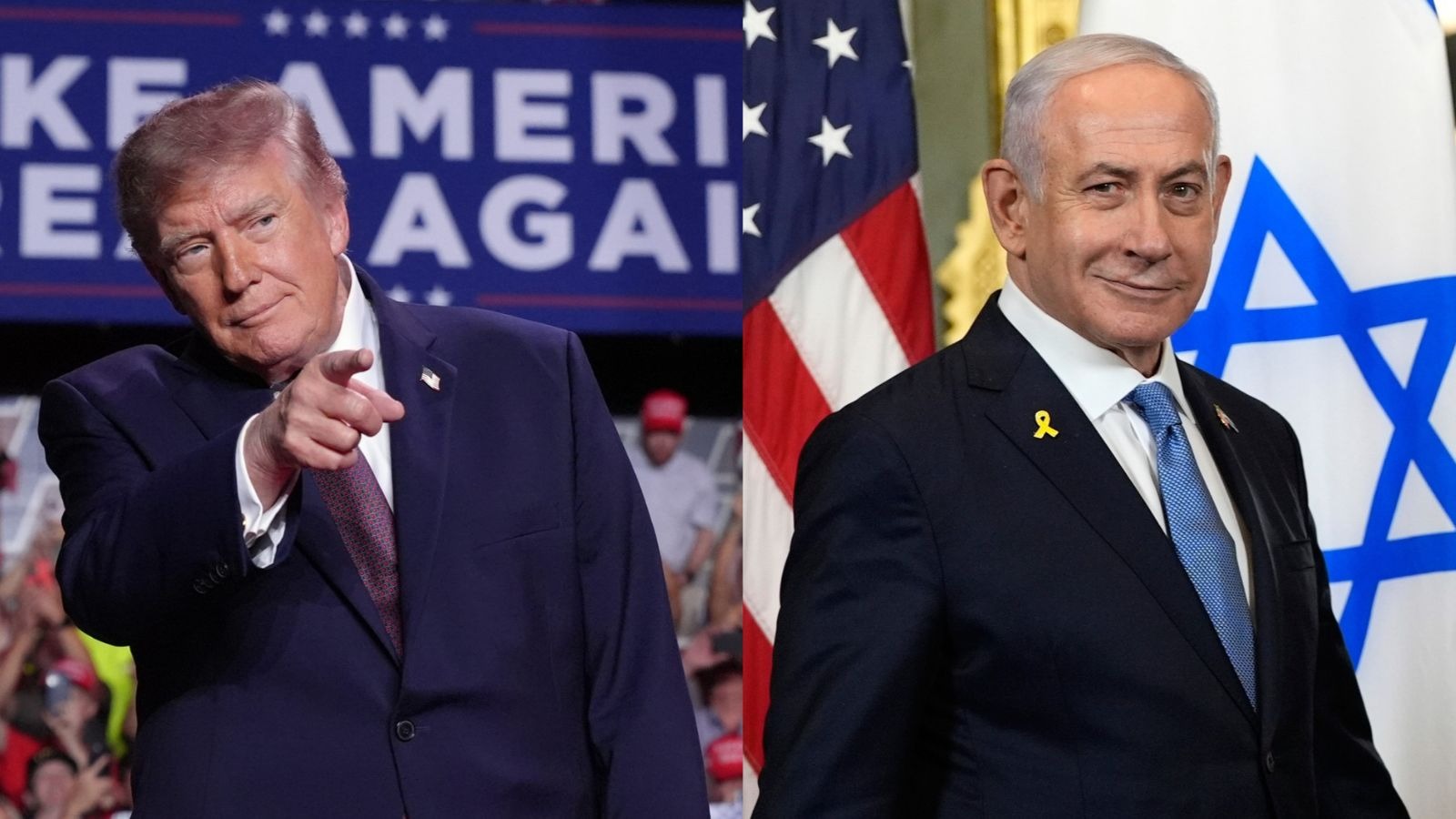
This opinion article asks whether starting or emphasizing a war can help a leader win an election.
Sometimes a threat from another country can make people support their government.
But history shows that leaders can still lose elections after a war.
The article gives examples from the United States, Britain, and India.
It says using fear and patriotic messages again and again may stop working.
Today, many people also distrust their governments and worry about living costs.
The writer thinks these concerns may matter more than war messages.
The article concludes that less political use of war would be better for the world.

The opinion piece asks whether wars and nationalist rhetoric can help political leaders win elections.
It says external threats can unite voters behind an incumbent, but that advantage may fade when leaders use them repeatedly.
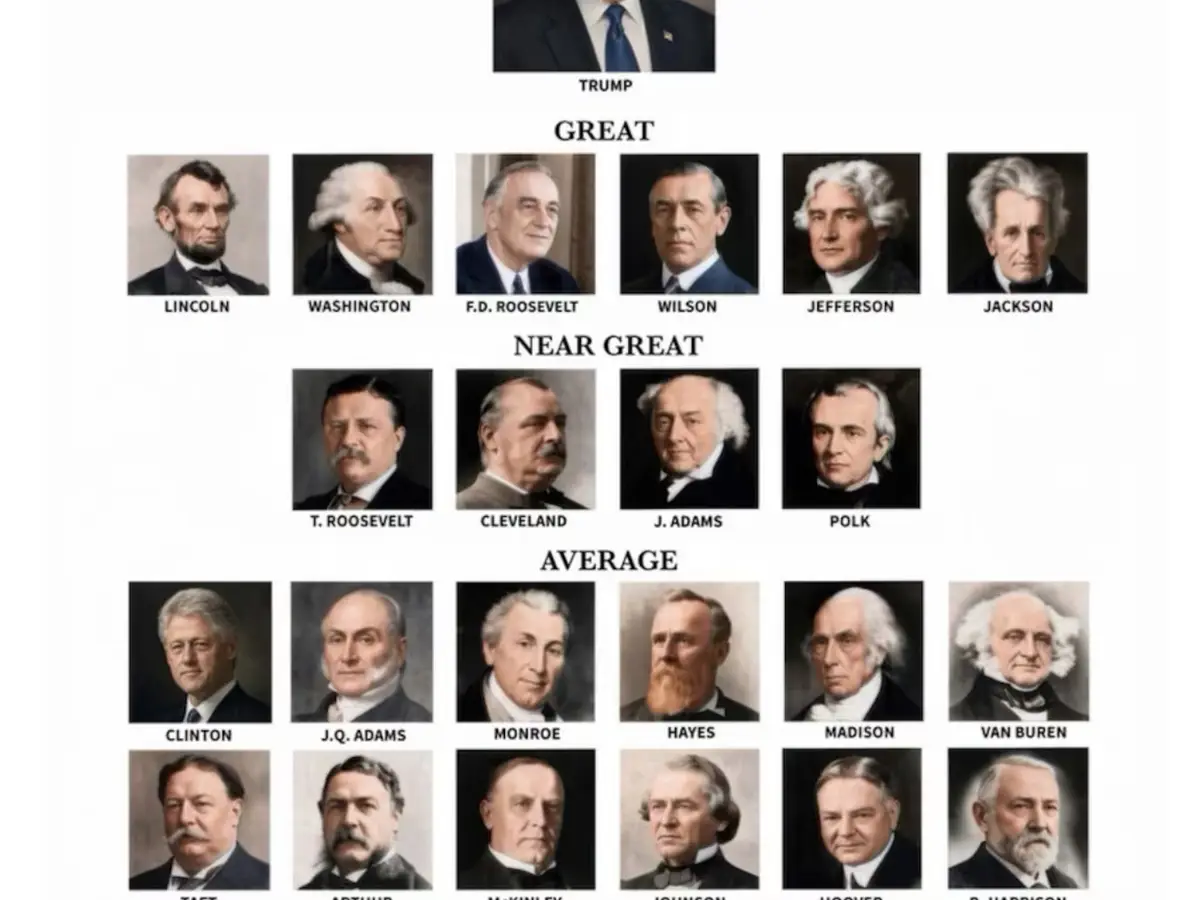
Historical examples cited include wartime election victories by Franklin D. Roosevelt and Margaret Thatcher, and defeats for Winston Churchill and George H. W. Bush.
The article also points to Atal Bihari Vajpayee’s 2004 election defeat despite India’s Kargil War success, and Donald Trump’s campaign promises to end U.S. wars.
It argues that distrust of governments and cost-of-living pressures may make voters less responsive to wartime appeals.
- Who
- Political leaders and voters in the United States, Israel, Iran, Britain, and India.
- What
- An opinion piece considers whether war and nationalist rhetoric can help leaders win elections.
- Where
- The discussion ranges across the United States, Israel, Iran, Britain, and India.
- When
- The article discusses elections and conflicts across several historical periods, including upcoming elections referred to in the piece.
- Why
- The author examines whether external threats can unite voters and distract from domestic dissatisfaction, while arguing that this effect may diminish.
War Can Boost Leaders
War Does Not Guarantee Victory
How external threats affect voters
War Can Boost Leaders
A real or perceived external threat can unite people behind an incumbent and help a leader politically.
War Does Not Guarantee Victory
Voters may still reject a wartime leader, and repeated appeals to threats can have diminishing returns.
Historical election examples
War Can Boost Leaders
The article cites Franklin D. Roosevelt’s fourth-term victory during World War II and Margaret Thatcher’s political success after the Falklands War.
War Does Not Guarantee Victory
It also cites Winston Churchill’s 1945 defeat, George H. W. Bush’s 1992 loss after the Gulf War, and Atal Bihari Vajpayee’s 2004 defeat despite India’s Kargil War success.
Current political conditions
War Can Boost Leaders
The article suggests that leaders may hope conflict or a perceived threat can help them win support.
War Does Not Guarantee Victory
It argues that public distrust and cost-of-living pressures may make voters less receptive to wartime appeals.
Key facts
- Central question
- Can war and jingoism help political leaders win elections?
- Potential political effect
- External threats can unite people behind an incumbent government.
- Stated limitation
- Repeated use of external threats as a political tool may produce diminishing returns.
- U.S. election date mentioned
- November 3
- U.S. House seats mentioned
- All 435 seats
- U.S. Senate seats mentioned
- 35 of 100 seats
- Contemporary pressures cited
- Low trust in governments and a cost-of-living crisis
Sources
Related news

Trump Says He Has No Regrets Over Iran War
Trump Says Iran War Ends After US Midterm Vote
Flydubai Attack Puts Israel Security Warnings Under Election Scrutiny
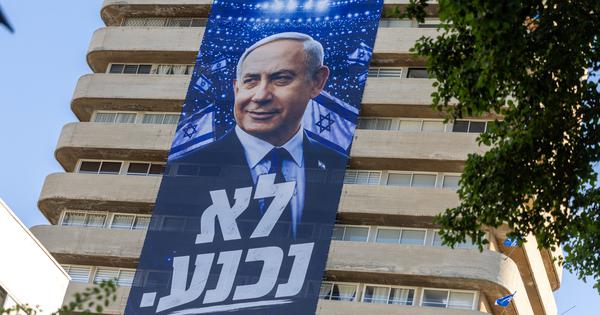
Netanyahu Uses Flydubai Incident to Shape Israel’s Election Campaign

Trump Defends Iran War as Houthis Seize Strategic Mocha
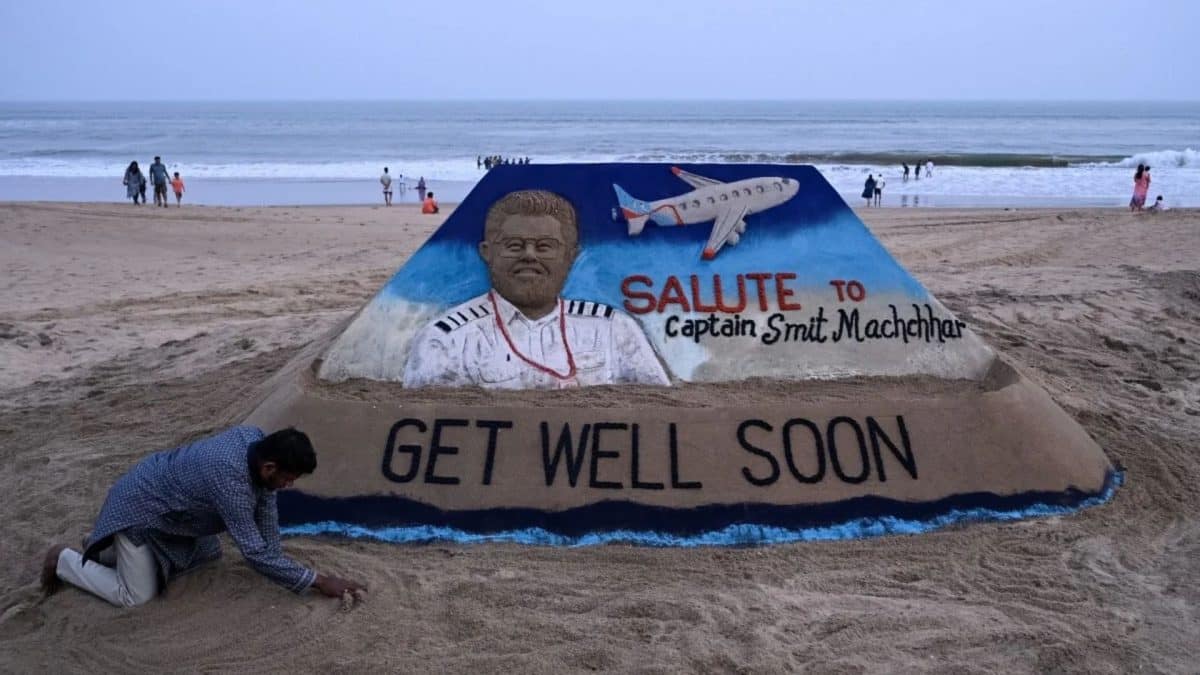
Captain Smit’s Heroism May Have Averted Wider Regional War
US Carrier George H.W. Bush Visits Thailand After Six-Month Deployment
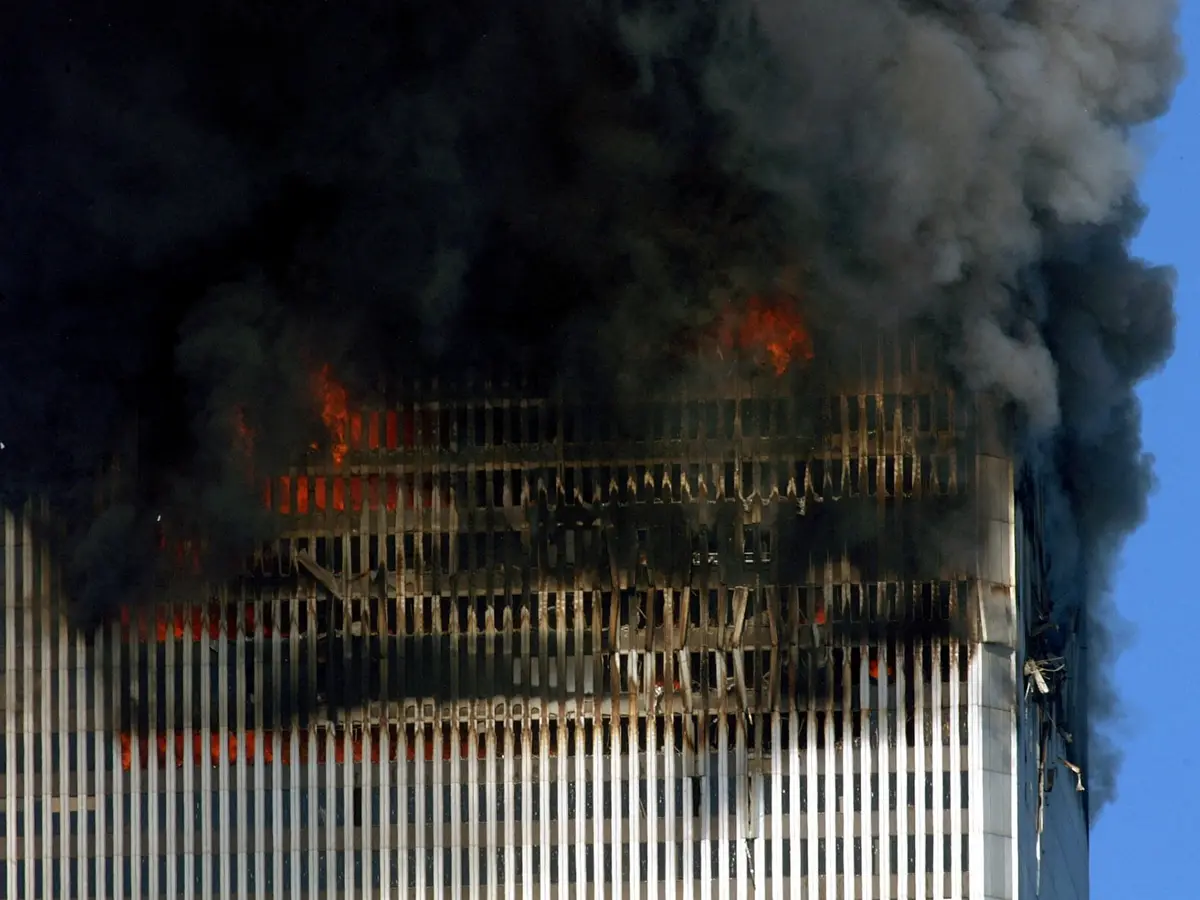
Declassified CIA Briefs Detailed Al-Qaeda Threats Before 9/11

George W. Bush Revisits 9/11 Through 16 Paintings
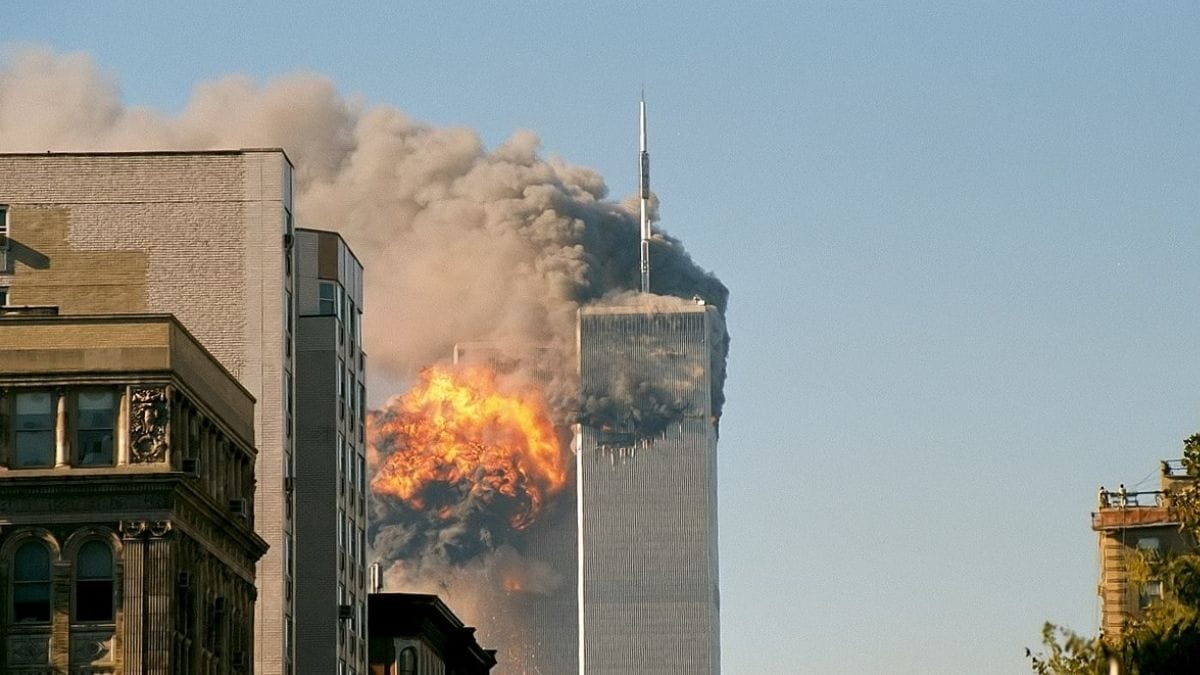
Twenty-Five Years Later, 9/11 Remains Vivid for Americans