3 weeks ago
Supreme Court Acquits Gujarat Staffers After 30-Year Rs 20 Case
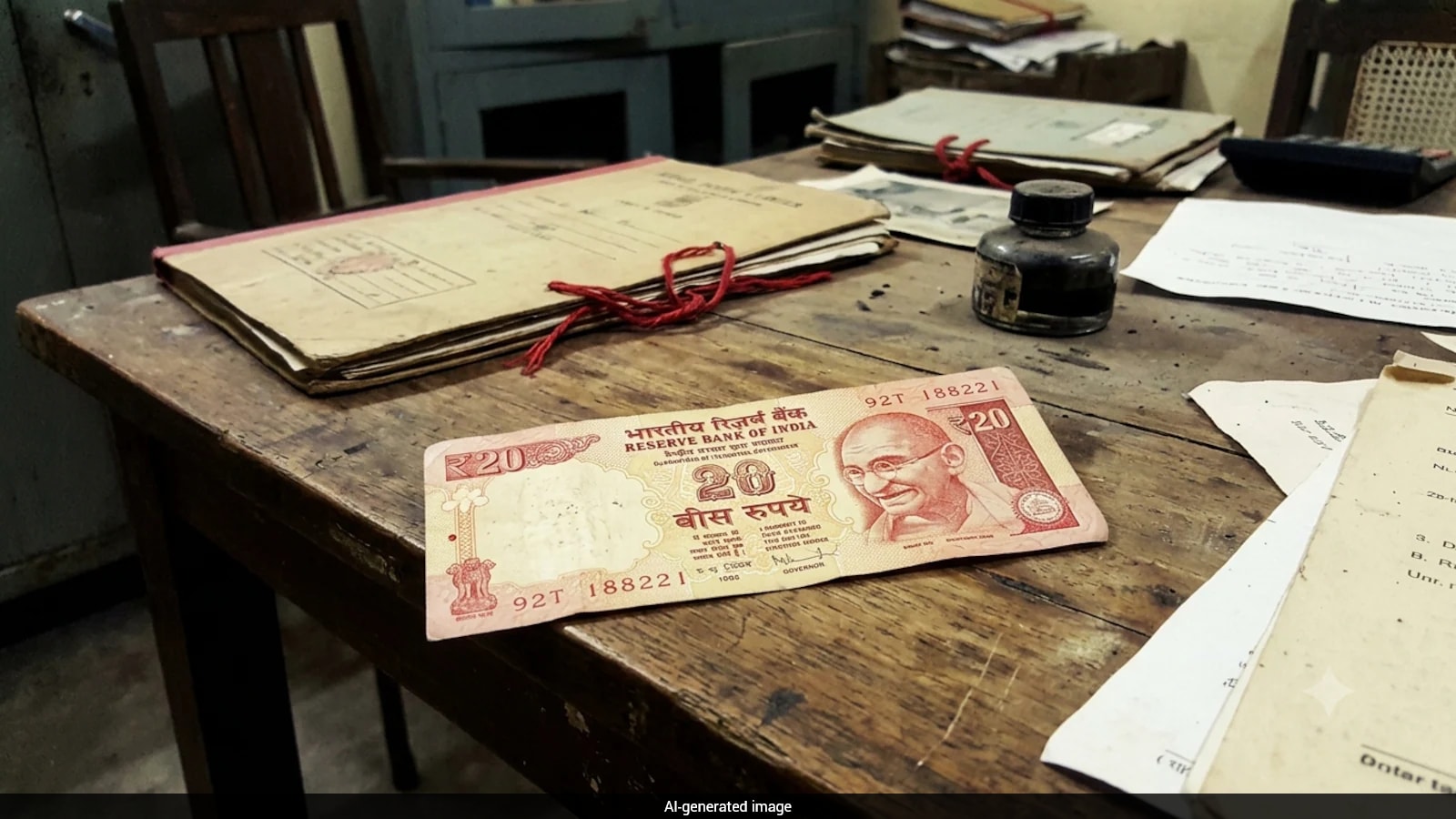
A student needed an income certificate to receive help with school costs.
Officials accused a clerk and a peon of asking for Rs 120 to provide it.
Investigators gave the student marked money and arranged a trap.
The student gave Rs 20 to the peon after receiving the certificate.
Investigators found that money, but did not find the other Rs 100 with the clerk.
The Supreme Court said finding money is not enough to prove a bribe unless a demand for it is proven.
The judges also found problems and contradictions in the student’s statements.
They therefore cleared both government employees after the case had lasted about 30 years.

The Supreme Court acquitted two Gujarat government employees convicted in a 1996 bribery case involving Rs 20.
The prosecution alleged a clerk demanded Rs 120, including Rs 20 for a peon, to issue an income certificate.
Anti-Corruption Bureau officials recovered the marked Rs 20 from the peon, but found no Rs 100 with the clerk.
The court said recovery alone could not establish bribery because the alleged demand was not proven.
The court also cited inconsistent testimony, an invalid prosecution sanction against the clerk, and the peon’s Eid-payment explanation.
- Who
- Two Gujarat government employees—a clerk and a peon—and the student who complained against them.
- What
- The Supreme Court overturned their convictions and acquitted them in a bribery case involving Rs 20.
- Where
- The case began at the Bechari Gram Panchayat office in Anand district, Gujarat.
- When
- The alleged incident occurred in February 1996; the Supreme Court ruling ended the case roughly three decades later.
- Why
- The court found that the alleged bribe demand was not proven and identified inconsistencies in the prosecution’s evidence.
Prosecution’s Allegations
Supreme Court’s Findings
Whether a bribe was demanded
Prosecution’s Allegations
The prosecution alleged that the clerk demanded Rs 120, with Rs 20 intended for the peon, and arranged an Anti-Corruption Bureau trap.
Supreme Court’s Findings
The court said the initial demand was not established and noted that the student admitted the peon had not demanded a bribe.
Meaning of the recovered Rs 20
Prosecution’s Allegations
The recovery of the marked Rs 20 from the peon was relied on as evidence of the alleged bribe.
Supreme Court’s Findings
The court held that recovery alone was insufficient, particularly because the student paid only Rs 20 after receiving the certificate and the clerk’s alleged Rs 100 was not found.
Explanation for the payment
Prosecution’s Allegations
The prosecution treated the payment as part of the alleged bribe transaction.
Supreme Court’s Findings
The court found the peon’s explanation—that the student gave him Rs 20 because Eid was the next day—more reasonable in light of the doubts and inconsistencies.
Key facts
- Alleged bribe
- Rs 120, allegedly comprising Rs 100 for the clerk and Rs 20 for the peon.
- Recovered amount
- Marked notes worth Rs 20 were recovered from the peon.
- Case origin
- February 1996, at the Bechari Gram Panchayat office in Anand district.
- Complainant’s purpose
- The student sought an income certificate for educational concessions.
- Key evidentiary issue
- The court held that recovery of money without proof of demand could not sustain the conviction.
- Additional legal issue
- The sanction to prosecute the clerk was found invalid because it was granted by an unauthorised officer.
- Lower-court decisions
- The Supreme Court set aside the judgments of the trial court and the Gujarat High Court.
Sources
Related news

ACB Seeks Sanction to Prosecute Suspended Mumbai Judge
Gujarat constable, aide held over alleged ₹83,000 bribery
ACB Closes Rs 2 Crore Bribery Case Against Rajasthan Cop
Rajasthan Railway Constable Arrested Over Alleged ₹70,000 Bribe
Gujarat ACB Traps Private Agent Over Timber Transit Bribe
Gujarat Cop Caught Allegedly Taking Bribe to Restart Liquor Trade
Supreme Court to Review Satya Niketan Collapse Issues
Karnataka to seek Centre relief for 101 drought-hit taluks

NHRC Seeks Telangana Police Report on Harish Rao Allegations

Supreme Court Acquits Man in 1993 Corruption Case
Petitioner Seeks Supreme Court Accountability for Force Against Women Protesters