3 hrs ago
Bengal Plans Three-Step Audit of Rural Housing Beneficiaries
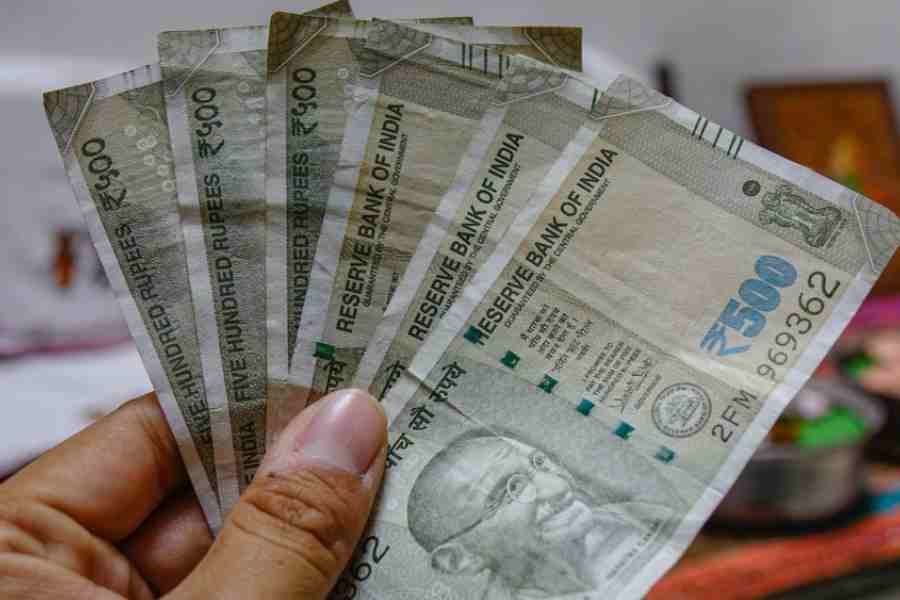
West Bengal is checking who should receive help to build rural homes.
Officials have identified 54.59 lakh possible beneficiaries.
This includes people found in a physical survey and people who applied online.
Workers will first check everyone’s documents and eligibility.
Local government offices and district officials will then recheck samples of the list.
The checks are meant to remove people who do not qualify and prevent duplicate names.
The government also wants to avoid political controversy over the list.
The Centre had stopped scheme funding in 2022 because of problems with beneficiary lists.
If the checks finish soon, 30 lakh approved families could receive housing money, beginning with ₹60,000 each.

The West Bengal government will conduct multiple checks on 54.59 lakh potential rural housing beneficiaries.
The list combines 44.5 lakh names from a physical survey with 10 lakh online applications.
Field workers will verify all names, followed by sample rechecks involving BDO offices and district officials.
The government aims to prevent ineligible claims, duplicate entries and political favouritism.
Funds for 30 lakh homes may be released during the current financial year, with an initial ₹60,000 payment planned after the festive season.
- Who
- The West Bengal government, field workers, BDO offices and district-level officials.
- What
- A three-step verification and sample rechecking process for 54.59 lakh rural housing beneficiary names.
- Where
- Across rural West Bengal, through field offices, BDO offices and district administrations.
- When
- The process is planned for the ongoing financial year; the first ₹60,000 instalment may be released after the festive season.
- Why
- To remove ineligible or duplicate names, address concerns over political favouritism and prepare an error-free list after earlier funding was stopped over faulty lists.
Government's Verification Case
Accountability Concerns
Need for extensive rechecking
Government's Verification Case
Officials say multiple checks are necessary to create a flawless list and ensure housing assistance reaches eligible poor rural residents.
Accountability Concerns
The scale of the process reflects concerns about faulty lists, duplicate entries and possible political favouritism, which could delay assistance.
Pressure to release funds
Government's Verification Case
The government wants to complete verification quickly so funds can reach beneficiaries and construction of 30 lakh homes can begin.
Accountability Concerns
Officials acknowledge that an inaccurate list could draw criticism, especially after the Centre stopped scheme funding in March 2022 over faulty beneficiary lists.
Online applicants and voter-list changes
Government's Verification Case
The government says the additional 10 lakh online applications make careful verification necessary because applicants claimed they were wrongly left out.
Accountability Concerns
Officials also warn that changes during the SIR, including the deletion of nearly 90 lakh electoral-roll names, could create controversy if ineligible names remain on the housing list.
Key facts
- Potential beneficiaries
- 54.59 lakh names
- Physical survey names
- 44.5 lakh
- Online applications
- 10 lakh, in addition to the physical-survey names
- Planned housing support
- 30 lakh dwelling units
- Total assistance per beneficiary
- ₹1.20 lakh
- Possible first instalment
- ₹60,000 per beneficiary
- Verification levels
- Full field verification, BDO-level sample checks and district-level rechecking
Quotes
A senior government official
Senior official involved in the state government’s rural housing verification process
“The three-step rechecking was required to prepare a flawless list. The Centre stopped funds under the scheme since March 2022, citing faulty beneficiary lists. The Centre approved the construction of 30 lakh dwelling units in Bengal after the BJP came to power in May. Now, if the list remains faulty, the new government will definitely face flak, which it doesn't want.”
 telegraphindia.com
“The state government will verify all applications properly. After checking the documents of all names that came up during the survey and those who applied online, we will conduct a three-step sample check. We want to ensure no ineligible person gets the benefit meant for the poor rural populace.”
telegraphindia.com
Sources
Related news
Karnataka Plans Gruha Lakshmi Beneficiary Re-Verification to Prevent Misuse
Karnataka to Re-Verify Gruha Lakshmi Beneficiaries Biometrically
Minister Orders Faster Beneficiary Selection for Indiramma Housing

West Bengal Raises Widow Pensions, Replaces Old Waiting List
State Raises Monthly Pensions to ₹1,500 for 82 Lakh Beneficiaries
BJP Leader Demands Rahul Gandhi Apology Over Mother Remarks

Mumbai Festivities, Student Death, Safety Concerns Mark Noon News Digest
Congress Alleges Tijara Councillors Detained Before Chairperson Vote

Western Uttar Pradesh Parties Mobilise Ahead of 2027 Assembly Polls

Vande Mataram Dispute Erupts During Karnataka Special Session