2 weeks ago
How India's nilgai became an ecological concern in Texas
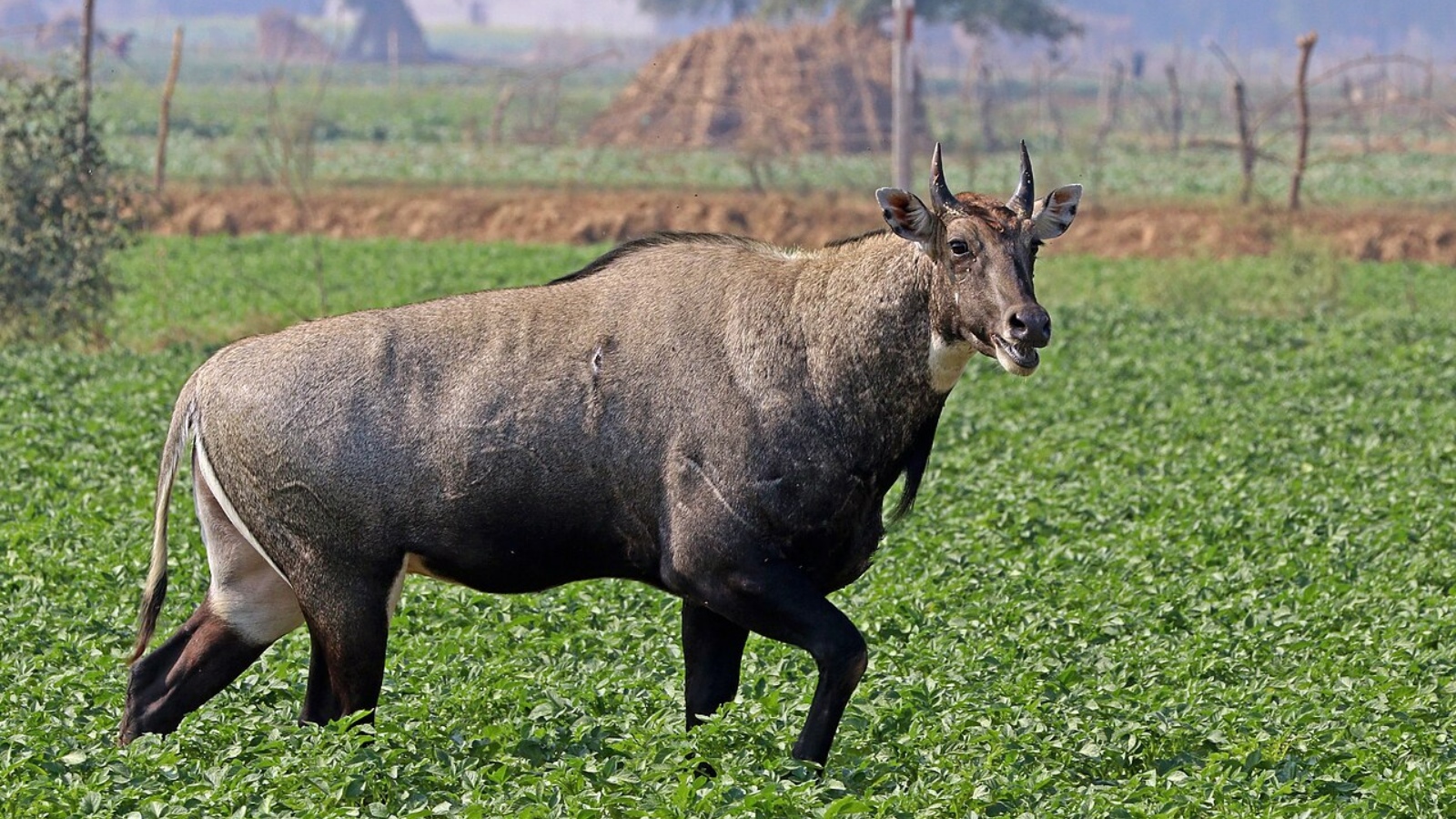
There is a big animal called the nilgai, and it is the largest antelope in India.
People brought nilgai to a place called Texas a very long time ago, almost 100 years.
They wanted them for meat and for hunting on ranches.
Some nilgai escaped or were let go on purpose.
In Texas, the weather was warm and there was lots of grass, so the nilgai were happy and made many babies.
There were no big animals that eat them, so their numbers grew very fast.
Now there are lots of wild nilgai in Texas, and that can cause problems.
Nilgai can carry tiny insects called ticks, and those ticks can carry germs that make cows sick.
In India, nilgai are not invaders because they have always lived there.
But even in India, when forests are cut down and there are fewer predators, nilgai can eat farmers' crops and cause trouble.

Nilgai, India's largest antelope, were introduced to Texas nearly a century ago as potential ranch animals and for their meat.
The animals established feral populations due to the warm climate, extensive grasslands, large ranches, and few natural predators in Texas.
Nilgai can host ticks associated with pathogens affecting cattle, creating disease-management challenges for livestock producers.
In India, nilgai are native and not considered invasive, but habitat loss and declining predator populations have made them pests in some areas.
Wildlife photographer and environmentalist Indrajit Ghorpade says the Texas example highlights the disruption caused when animals are moved beyond their natural range.
- Who
- Nilgai (India's largest antelope), livestock producers in Texas, and wildlife photographer-environmentalist Indrajit Ghorpade, who commented on the issue.
- What
- Nilgai introduced to Texas nearly a century ago established feral populations, becoming an ecological concern partly because they can host ticks associated with pathogens affecting cattle.
- Where
- Texas, United States; the species is native to the Indian subcontinent.
- When
- The introduction happened nearly a century ago; the concern is detailed in a recent Business Today report.
- Why
- The warm climate, extensive grasslands, large ranches, lack of natural predators, and wide-ranging movements allowed the animals to spread and become difficult to manage.
Key facts
- Species
- Nilgai, India's largest antelope
- Native range
- Indian subcontinent
- Feral population location
- Texas, United States
- Time of introduction
- Nearly a century ago
- Original purpose
- Potential ranch animal, meat, and game hunting
- Main livestock concern
- Hosts ticks associated with pathogens affecting cattle
- Status in India
- Native, not invasive, but considered pests in parts of India
- Expert quoted
- Indrajit Ghorpade, wildlife photographer and environmentalist
Quotes
Indrajit Ghorpade
Wildlife photographer and environmentalist
“Lacking natural predators and forced into the environment, they multiply quickly, become competition in sharing essential resources for endemic life.”
 indianexpress.com
“Not only is disease transferred from wildlife to livestock, but the reverse is also true with feral species infecting wildlife.”
indianexpress.com
Sources
Related news
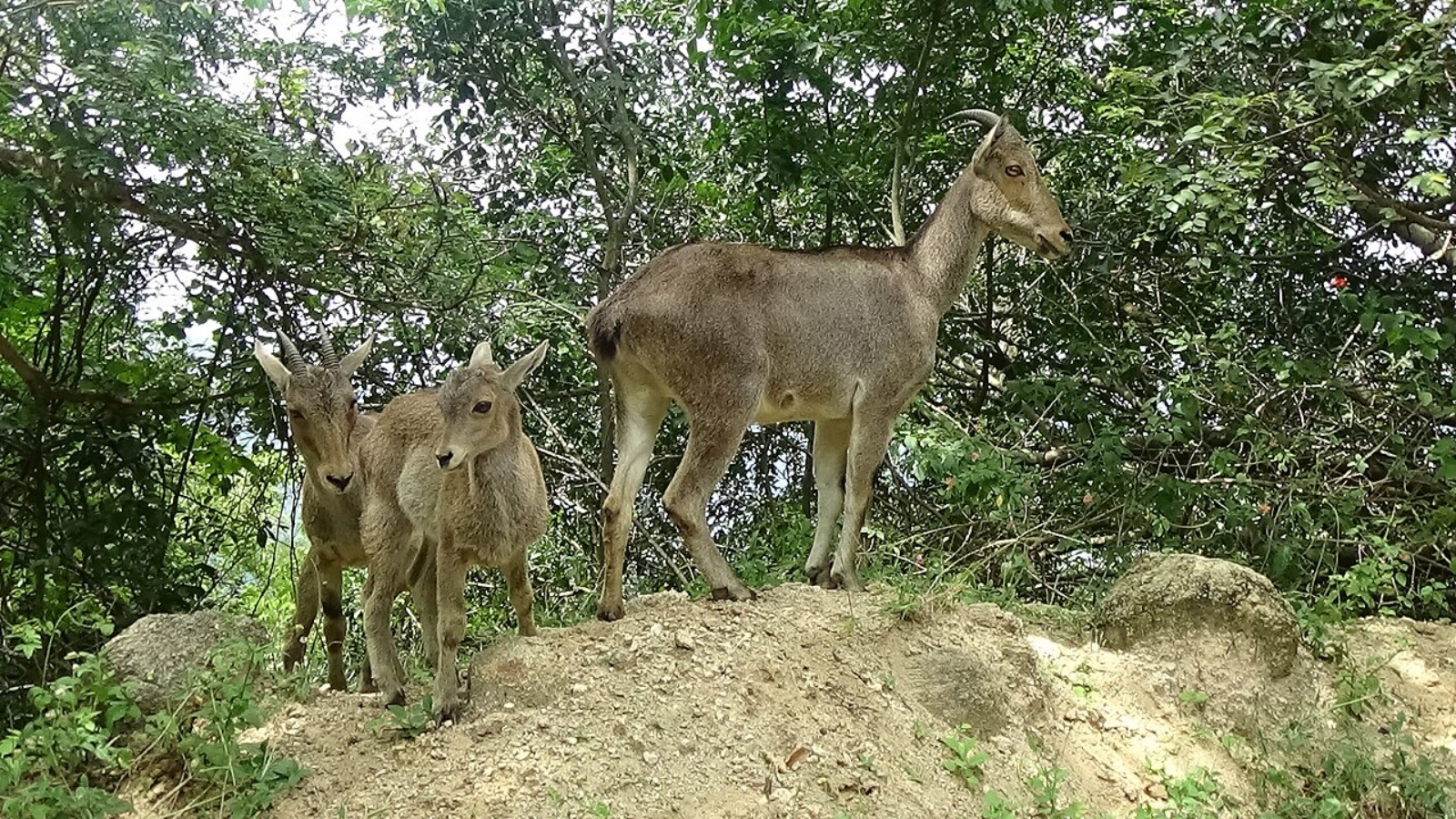
Nilgiri Tahr Thriving Again at Varayattumudy in Kerala
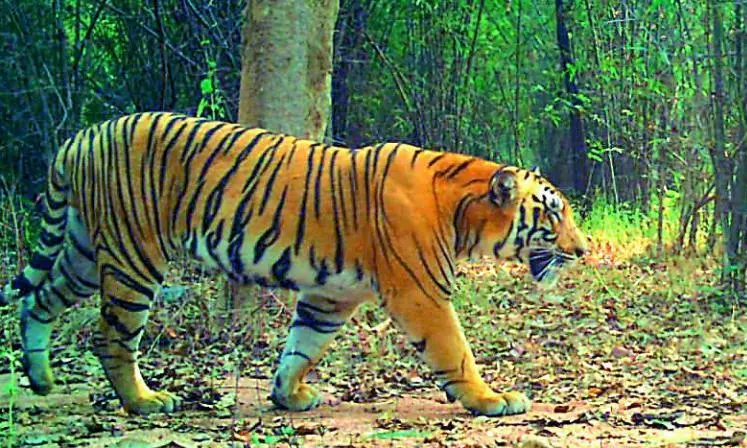
Migrating Tigers Disrupt Cotton Farming Along Maharashtra Borders
Two male tigers vanish in North Telangana, protection questioned
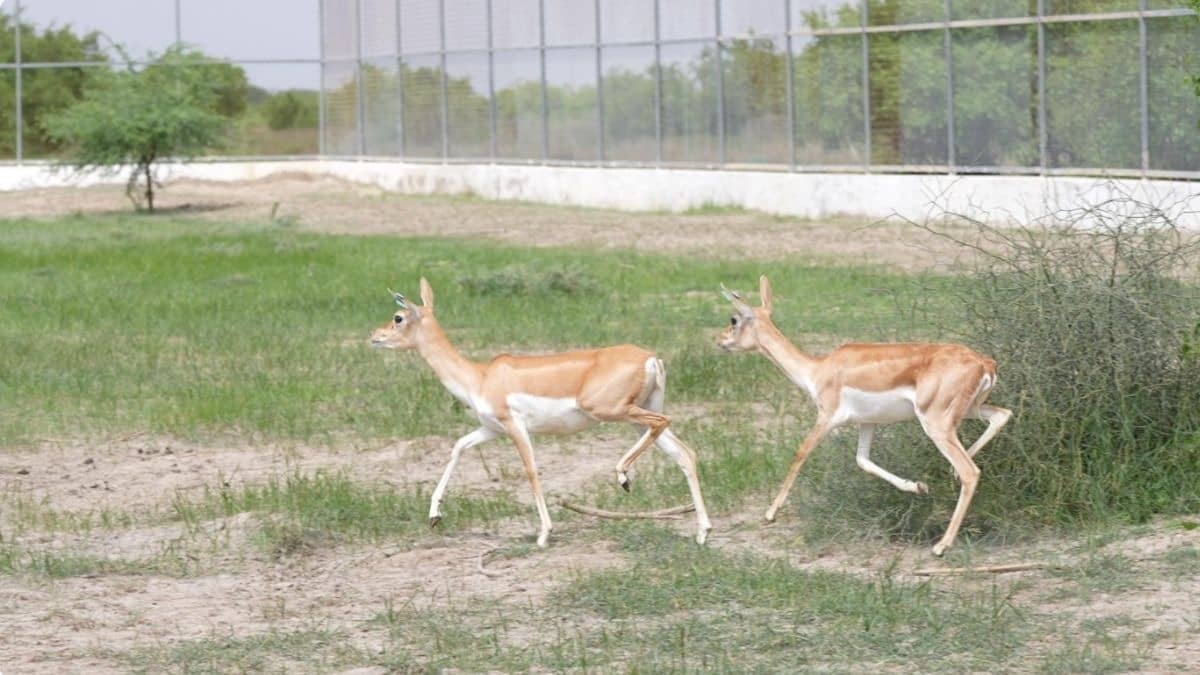
20 Blackbucks Rewilded in Banni Grassland to Restore Native Wildlife

Online Plant Trade Raises Invasive Species Risks in India
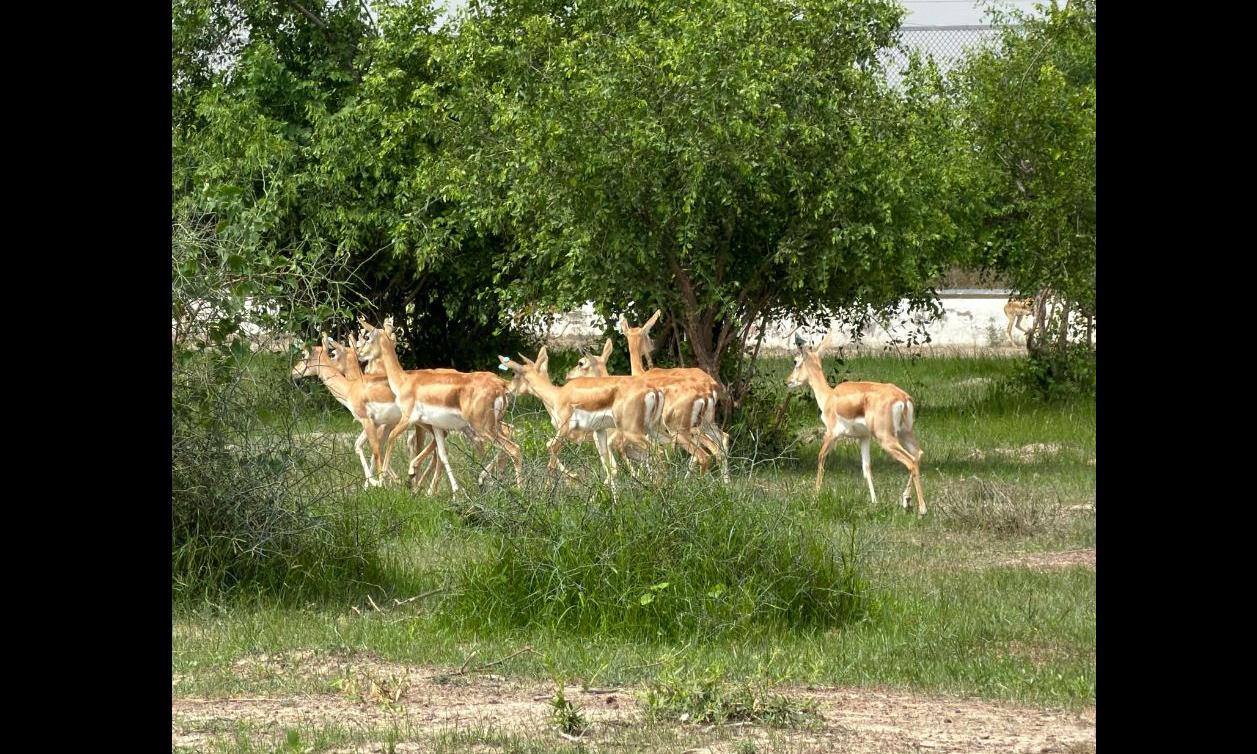
Gujarat releases 20 blackbucks in Banni Grasslands on Independence Day

Dell Shares Jump 14% After Record Results, AI Demand Surges

Texas Senate Race Becomes Money Test for Trump’s GOP

Tropical Storm Edouard Makes Landfall on Louisiana Coast

Cattle Futures Fall as Screwworm Restrictions Lift and Tariffs Ease

SpaceX Plans Texas Foundry to Ease AI Power Bottleneck