1 hr ago
Garba Fitness Guide: Preventing Injuries During Navratri Dancing
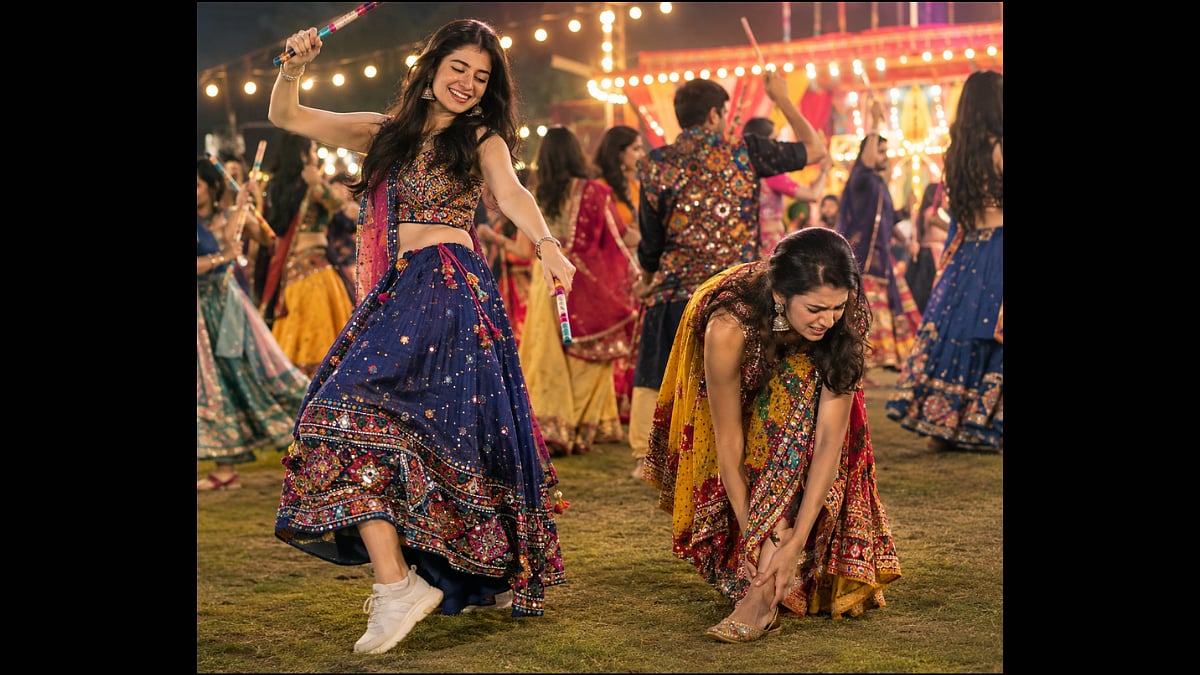
Garba and Dandiya can be lots of fun, but dancing for hours without getting ready can hurt your body.
People may twist an ankle, strain a knee, or get sore feet.
Comfortable clothes and cushioned shoes can help, and a short warm-up gets your body ready to move.
Eat something before dancing and drink fluids while you dance.
If you have strong pain, swelling, or cannot stand on your foot, stop and get medical help.
After dancing, walk slowly, stretch gently, drink fluids, and rest.

Mumbai physiotherapy clinics reportedly see a 30–40% rise in ankle, knee and lower-back complaints during October.
Physiotherapists warn that abruptly moving from inactivity to hours of dancing increases injury risk; ankle sprains, knee pain and foot pain are common concerns.
Experts recommend cushioned, flexible footwear with moderate grip, comfortable clothing and a five-minute warm-up before dancing.
Stop dancing and seek urgent care for severe pain, rapid swelling, a pop or snap, inability to bear weight, or very localised tenderness.
The guide advises eating before dancing, drinking fluids with electrolytes, and cooling down with a slow walk, stretches and rest.
- Who
- Garba and Dandiya dancers; physiotherapists, orthopaedic surgeon Dr Mustansir Abbasi and clinical nutritionist Dr Nupur Krishnan offer advice.
- What
- A guide to reducing dance-related injuries and managing nutrition, hydration and recovery during Navratri.
- Where
- The injury increase is reported at physiotherapy clinics in Mumbai.
- When
- During Navratri, with clinics reporting an October increase in injuries.
- Why
- Suddenly dancing for long periods, sometimes on hard or uneven ground and in unsuitable clothing or footwear, can strain the body.
Key facts
- Reported clinic increase
- Mumbai physiotherapy clinics see a reported 30–40% spike in relevant complaints every October.
- Common problems
- Ankle sprains, knee pain or patellar tendinitis, heel and forefoot pain, and lower-back strains.
- Warm-up
- The guide outlines a five-minute routine, including marching, ankle rotations, heel raises, leg swings, squats and gentle dance steps.
- Footwear advice
- Cushioned sports shoes or dance sneakers with flexible soles and moderate grip are recommended for most people.
- Seek urgent care for
- Severe pain, rapid swelling, a pop or snap, inability to bear weight, or pain when touching the injured spot.
- Recent injury caution
- Dr Abbasi advises people with a sprain, knee pain, flat feet or low-back pain in the past three weeks not to join without an orthopaedic check-up.
- Recovery steps
- Walk slowly for five minutes, stretch gently, rehydrate, roll the soles over a ball or bottle, elevate the legs for 10–15 minutes and sleep.
Quotes
Dr Minakshi Fullara
Chief of Physiotherapy and Rehabilitation at Aakash Healthcare.
“These injuries warrant immediate attention. Treatment initiated immediately guarantees a faster, proper and complete recovery.”
 freepressjournal.in
“Stay hydrated to avoid fainting and loss of body electrolyte or muscle cramps.”
freepressjournal.in
Sources
Related news
What to Wear, Eat and Carry to Garba Night
Dance Footwear, Training and Recovery Help Prevent Heel Pain
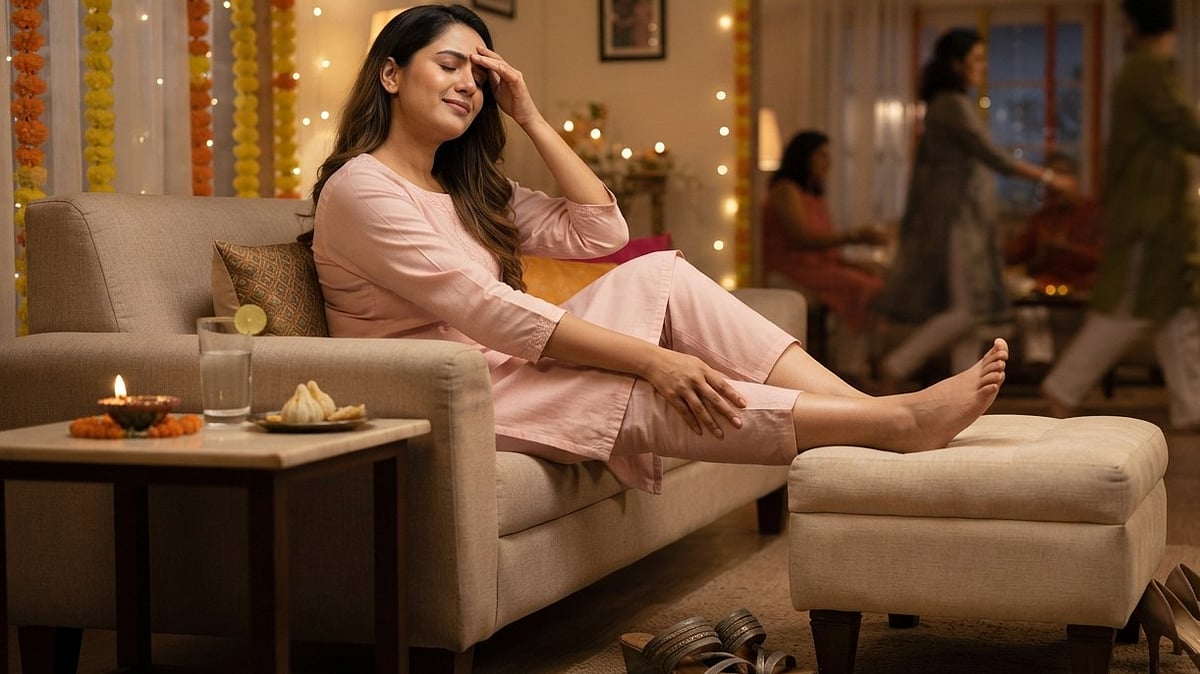
How to Stay Energised Through India’s Festive Celebrations
Mumbai Weekend Offers Garba, Design, Wellness and Pandal Hopping
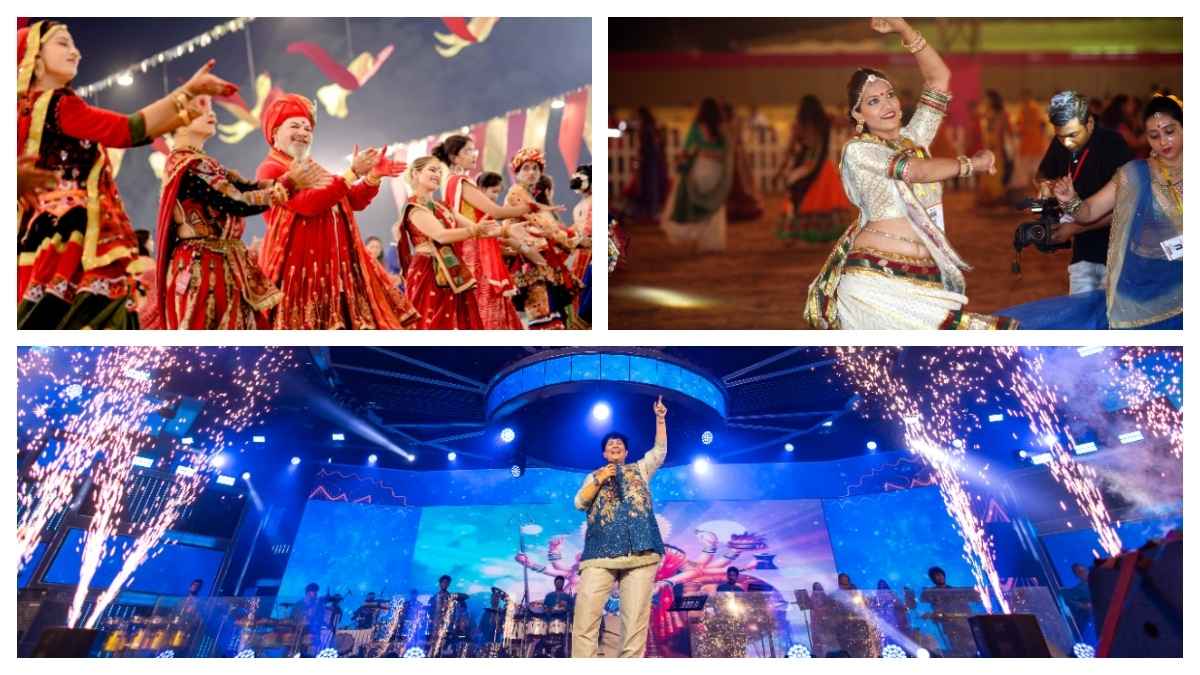
Navratri Garba Expands Into a Sprawling Seasonal Economy
Garba Workshops Blend Traditional Steps With Social Media Trends

BJP Leader Questions Imran Khan’s Citizenship After Mumbai Protest
Shaan Hopes to Experience Kolkata Durga Pujo for First Time
Ricky Kej’s DAMROOH Tour Brings Symphonic Spectacle Across India

Neurocosmetics, Peptides and Barrier Biotech Shape 2026 Skincare