5 days ago
China Jails Billionaire as India Offers Debt Relief
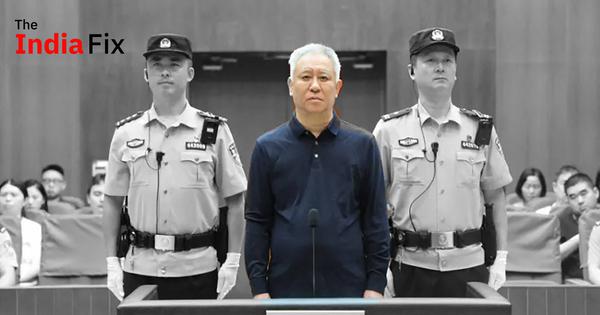
China gave billionaire Hui Ka Yan a life sentence for several financial crimes.
His property was also taken, and companies linked to him were fined.
In India, a tribunal approved a plan for businessman Subhash Chandra to repay only a tiny part of his debt.
Creditors objected and said the process may have been unfair.
The article says this could leave public-sector banks and taxpayers carrying losses.
It also argues that powerful business groups can receive advantages in India.
Those advantages may make it harder for smaller companies to compete.
Some Indian officials say India is safer for successful businesspeople than China.
The article concludes that protecting billionaires too much may hurt investment and economic growth.

China sentenced Hui Ka Yan to life in prison and confiscated his property for bribery, public-funds swindling and fraud.
Indian tribunal approved a plan allowing Zee founder Subhash Chandra to repay just over Rs 6 crore of Rs 22,007 crore owed.
Creditors alleged conflicts of interest and that Chandra significantly underreported his assets, but the plan was approved.
The article argues that India’s leniency toward powerful businesspeople contributes to oligopolies and a less competitive economy.
India’s commerce minister Piyush Goyal says successful businesspeople do not face the risk of disappearing, unlike China’s Jack Ma.
- Who
- Chinese billionaire Hui Ka Yan, Indian businessman Subhash Chandra, their creditors and officials including Piyush Goyal are central to the article.
- What
- China imposed a life sentence and asset confiscation on Hui Ka Yan, while an Indian tribunal approved a sharply reduced repayment plan for Subhash Chandra.
- Where
- The cases took place in China and India; Hui’s case was heard by the Shenzhen Intermediate People's Court and Chandra’s by India’s National Company Law Tribunal.
- When
- Hui Ka Yan was sentenced on August 20; the Indian tribunal order was passed a week later.
- Why
- The article uses the contrasting cases to examine billionaire accountability, creditor losses and the economic effects of political connections and regulatory favoritism.
Criticism of India’s Billionaire Leniency
Defense of India’s Business Environment
Accountability for wealthy businesspeople
Criticism of India’s Billionaire Leniency
The article argues that India rarely pursues criminal action against billionaires accused of fraud and that the Chandra repayment plan could leave public-sector banks and taxpayers with losses.
Defense of India’s Business Environment
Commerce minister Piyush Goyal presents India as a country where successful businesspeople do not have to fear suddenly disappearing or being punished for becoming wealthy.
Economic impact of powerful business groups
Criticism of India’s Billionaire Leniency
The article cites economists who argue that regulatory favors and political connections create a non-level playing field, encourage oligopolies and discourage investment by other firms.
Defense of India’s Business Environment
The article does not present a detailed rebuttal from supporters of India’s large business groups, but Goyal’s comparison implies that predictable treatment of successful businesses is an advantage for attracting investors.
China’s approach to billionaires
Criticism of India’s Billionaire Leniency
China’s willingness to imprison billionaires is presented as evidence of stronger punishment for financial wrongdoing and greater fear among wealthy businesspeople.
Defense of India’s Business Environment
The article notes that China’s approach can involve disappearances and severe state crackdowns, citing Jack Ma’s limited public appearances during a regulatory campaign.
Key facts
- Hui Ka Yan sentence
- Life imprisonment, with personal property confiscated.
- Hui Ka Yan charges
- Bribery, swindling public funds and fraud, among other charges.
- Corporate fines
- More than $2 billion in fines were imposed on corporations once controlled by Hui Ka Yan.
- Subhash Chandra debt
- Rs 22,007 crore, including money owed to state-owned firms.
- Approved repayment
- Slightly more than Rs 6 crore, described in the article as 0.03% of the debt.
- Additional Chinese sentences
- Five other senior executives, including Hui Ka Yan’s two sons, received prison terms of six to 18 years.
- Economic concern
- The article says market concentration has reached unprecedented levels in aviation, telecom, cement, steel and tyres.
Quotes

Piyush Goyal
India’s commerce minister, speaking in a pitch to Japanese investors about the differing treatment of billionaires in India and China
“You don’t have to worry that if you make money in India, if you are a successful businessman, you may disappear one day, and end up coming out as a professor in a Japanese university. That risk doesn’t happen in India.”
 scroll.in
Sources
Related news

Rahul Gandhi Criticises Modi Government Over Chandra Repayment Plan
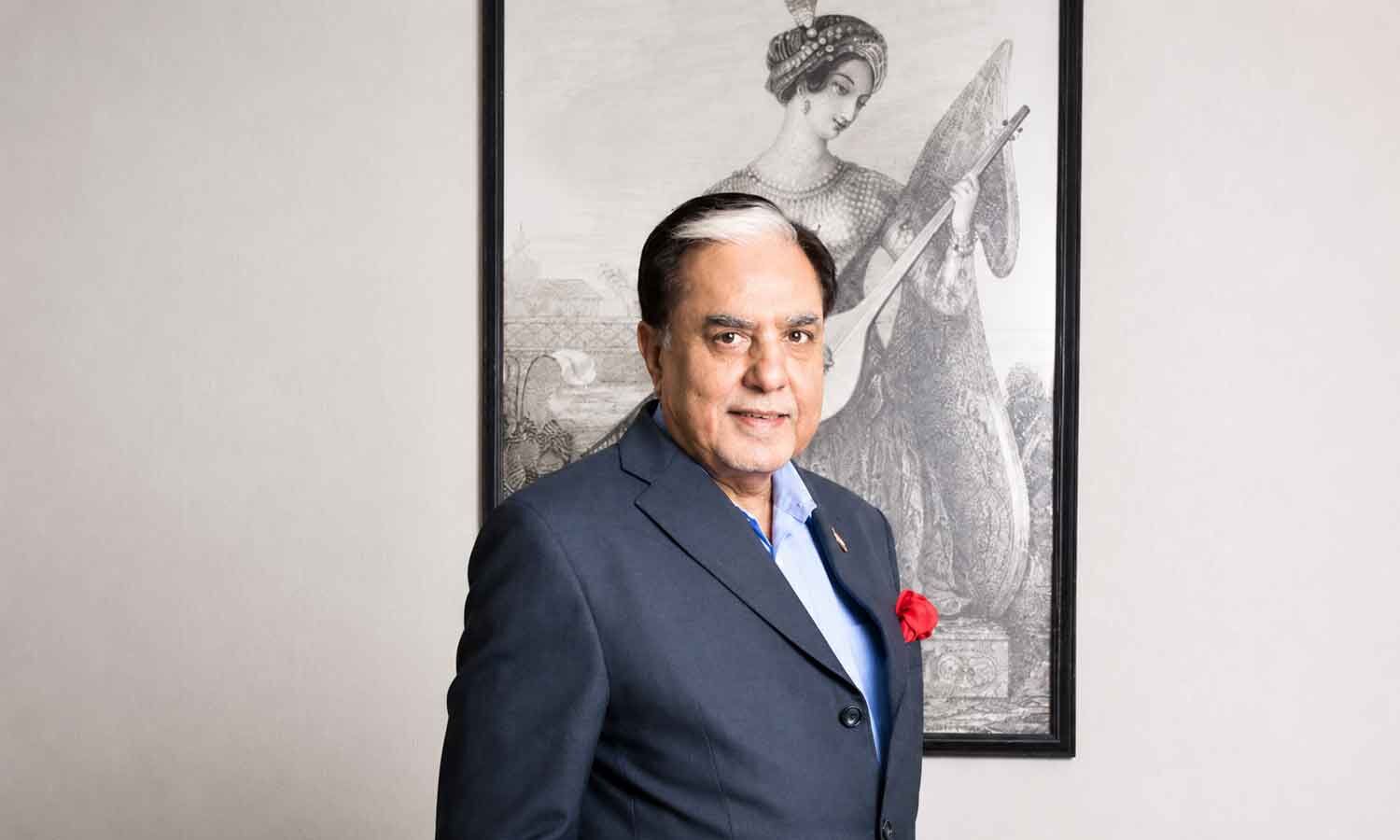
Calls grow to challenge Subhash Chandra’s steep creditor haircut
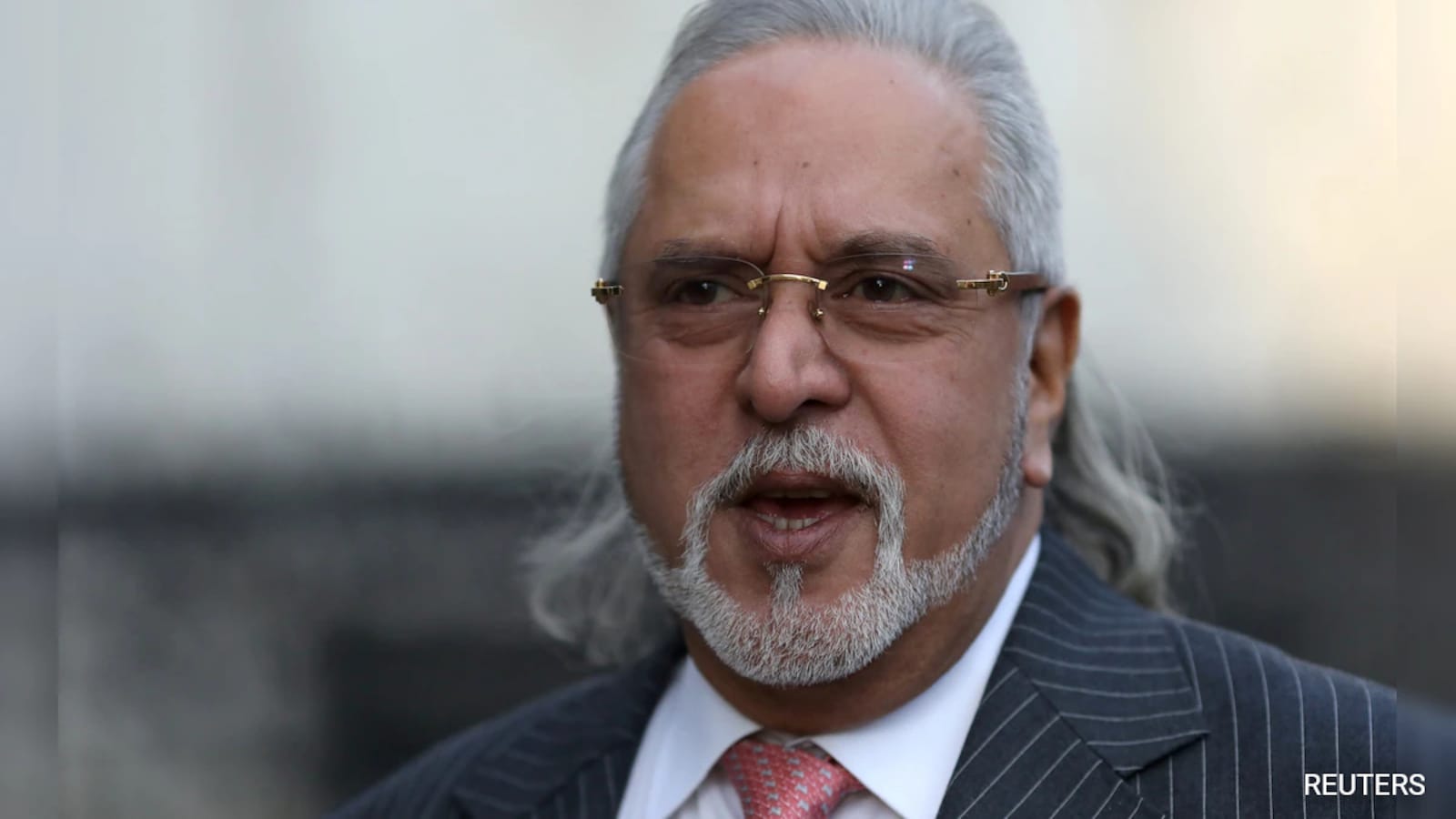
Mallya Questions Debt Recoveries After Chandra’s Insolvency Plan
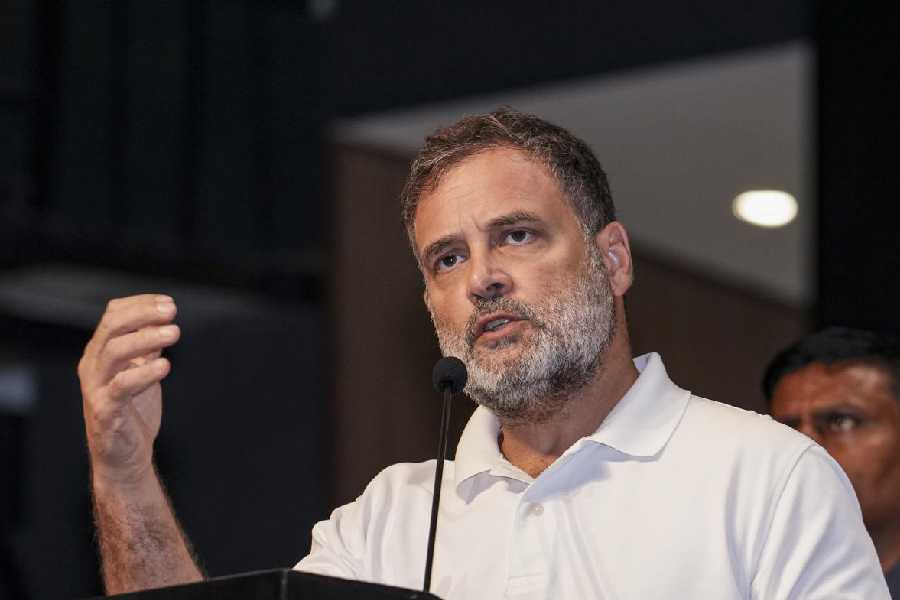
NCLT Clears Subhash Chandra’s ₹6.5 Crore Settlement Plan

Mukesh Ambani, Subhash Chandra Dispute Puts Wealth, Debt Under Spotlight