

57 mins ago
US and Iran Clash Over Terms for Restarting Truce Talks
The United States and Iran are arguing about how to restart peace talks.
Iran offered a plan that included lifting sanctions and releasing frozen money.
It also wanted the United States to end its naval blockade so the Strait of Hormuz could reopen.
President Donald Trump rejected the plan because he thought Iran was asking for too much before talks even began.
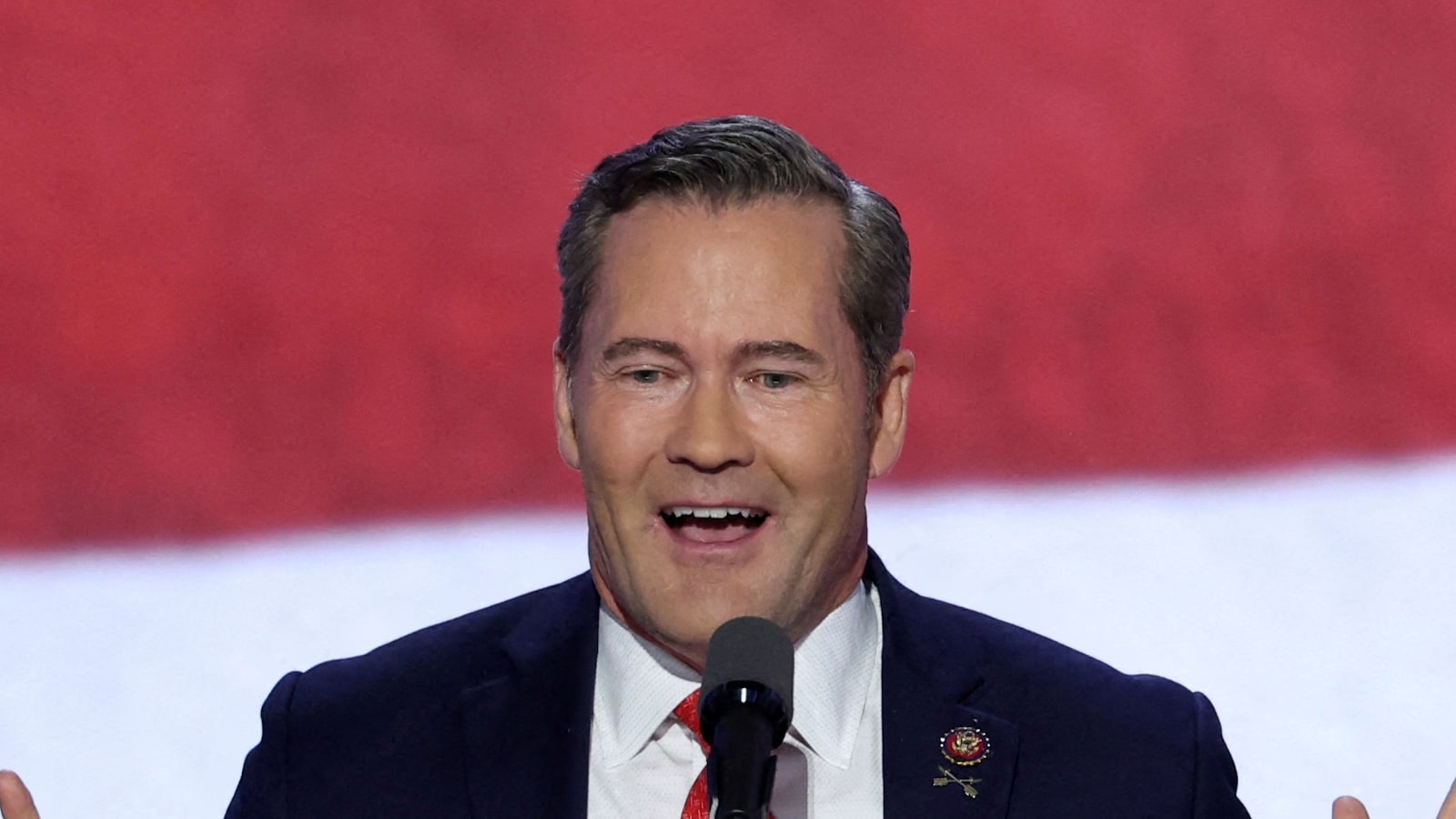
US Ambassador Mike Waltz also said Trump does not trust Iran to keep its promises.
Iran’s foreign minister said these requests were basic rights, not unreasonable demands.
Both sides have criticized the other’s behavior.
Trump still says talks might restart soon, although Iran sounds less hopeful.

US Ambassador Mike Waltz said Iran demanded sanctions relief, frozen-asset access, and an end to the naval blockade before talks could resume.
President Donald Trump rejected the proposal, saying Iran was seeking a deal because it was losing badly.
Iranian Foreign Minister Abbas Araghchi said the requested measures represented Iran’s rights and were necessary to reopen the Strait of Hormuz.
Araghchi accused the United States of repeating unproven allegations and questioned whether Iran should return to negotiations with the Trump administration.
Trump said negotiations could resume in the coming week, while Axios reported indirect talks might begin as early as Monday.
- Who
- The governments of the United States and Iran, including President Donald Trump, Ambassador Mike Waltz, and Foreign Minister Abbas Araghchi.
- What
- The United States rejected an Iranian truce proposal, while both sides discussed potentially restarting indirect negotiations.
- Where
- The dispute centers on negotiations between Washington and Tehran and the Strait of Hormuz.
- When
- Iran announced the proposal last week; talks could resume in the coming week, possibly as early as Monday, according to Axios.
- Why
- The United States said Iran demanded too many concessions upfront, while Iran said the measures were necessary rights and conditions for reopening the Strait of Hormuz.
United States Position
Iran Position
Conditions for restarting talks
United States Position
The United States says Iran is demanding sanctions relief, access to frozen assets, and an end to the naval blockade before talks even begin.
Iran Position
Iran says these measures are rights that must be respected and conditions for reopening the Strait of Hormuz.
Trust and credibility
United States Position
Mike Waltz said President Trump does not have confidence that Iran will honor its promises, citing the countries’ previous dealings.
Iran Position
Abbas Araghchi accused the United States of repeating old, unproven allegations and criticized its behavior over the past two years.
Prospects for diplomacy
United States Position
Trump said Iran wants a deal and indicated negotiations could resume soon, while keeping other options available.
Iran Position
Araghchi said there was little reason for Iran to return to diplomacy with the current US administration, although he acknowledged that hope remained.
Key facts
- US position
- President Donald Trump rejected Iran’s proposal because he believed it demanded excessive concessions before negotiations restarted.
- Iranian proposal
- Iran called for frozen assets to be released, sanctions on Iranian oil to be lifted, and the US naval blockade to end.
- Key waterway
- The Strait of Hormuz is described as central to the world’s energy supplies and the conflict.
- US representative
- Ambassador Mike Waltz said Trump lacks confidence that Iran would honor its promises.
- Iranian representative
- Foreign Minister Abbas Araghchi said Iran’s demands were rights that should be respected.
- Possible talks
- Trump said negotiations could resume in the coming week; Axios reported indirect talks could occur as early as Monday.
- Conflict duration
- The article says the conflict began nearly seven months ago after US and Israeli strikes against Iran.
Quotes

Donald Trump
President of the United States
“This was, I think, a pretty cynical attempt to put something on the table that they knew was unacceptable. To ask for the release of the blockade, the sanctions, international sanctions, and access to billions in assets, just to talk.”
 NDTV
NDTV
“They want to make a deal, but it is not the deal that I want to make. It is what we would have maybe agreed to a year ago.”
NDTV

Abbas Araghchi
Iranian Foreign Minister
“There is also always hope for diplomacy, but we have no reason, to be honest with you, we have no reason to come back to diplomacy and engage with this administration once again because of their behaviour in the past two years.”
NDTV
Sources
Related news
Trump Expects Iran Talks Despite Rejecting Tehran’s War Proposal

Iran Offers Seven-Day Hormuz Plan as Trump Rejects Terms

Iran Offers Seven-Day Hormuz Reopening for U.S. Conditions
Iran Offers Seven-Day Plan for Hormuz, Nuclear Talks

Iran Sets Conditions for Renewing Talks With United States
Iran Gives US Seven Terms, Warns Of Decisive War
US Denies Iran Captured American Underwater Drone in Hormuz

Trump Says Iran War May End Soon, Strikes Remain Possible

Indian Stocks Face Muted Opening Amid Global Market Tensions
