2 weeks ago
Suvendu bats for large statue of Gopal Mukherjee in Kolkata

A man named Suvendu Adhikari, the Chief Minister of Bengal, wants the government to build a very big statue of Gopal Chandra Mukherjee.
People also called him Gopal Patha.
Long ago, in 1946, terrible fighting between people of different religions broke out in Kolkata, called the Great Calcutta Killings.
Gopal Chandra Mukherjee was a strong wrestler, a businessman and a popular local leader in those days.
Some people say he protected Hindu families and saved many lives during the fighting.
Other people say he took part in the violence too, so his story is confusing.
Mr. Adhikari thinks young people should learn about Gopal Patha, and he said this at a special event in Moulali.
A small statue of Mukherjee was already put up by private people, and the city renamed a road after him, which made some people argue.
Mr. Adhikari says the history of the Great Calcutta Killings and Partition should never be forgotten.

Bengal Chief Minister Suvendu Adhikari called for a large government-built statue of Gopal Chandra Mukherjee in Kolkata.
Mukherjee, nicknamed Gopal Patha, was a wrestler, businessman and local strongman known for his role in the 1946 Great Calcutta Killings.
Adhikari spoke at a Bibhajan Bibhisikha Smriti Diwas programme in Moulali, saying younger people were largely unaware of Mukherjee's history.
A small statue of Mukherjee has already been installed privately, and the Kolkata Municipal Corporation recently renamed Suhrawardy Avenue as Gopal Mukherjee Road.
Mukherjee's legacy remains disputed, with accounts describing him both as a protector of Hindus and as a participant in retaliatory communal violence.
- Who
- Suvendu Adhikari, described as Bengal Chief Minister, and Gopal Chandra Mukherjee (Gopal Patha), the historical figure being commemorated.
- What
- A proposal for the government to build a large statue of Gopal Chandra Mukherjee to mark his role in the 1946 Great Calcutta Killings.
- Where
- Moulali, Kolkata.
- When
- Announced at a recent Bibhajan Bibhisikha Smriti Diwas programme, following the recent renaming of Suhrawardy Avenue as Gopal Mukherjee Road; the killings began on August 16, 1946.
- Why
- To bring Mukherjee's contributions before a new generation and ensure the history of the Great Calcutta Killings and Partition is not forgotten.
Supporters of Mukherjee
Critics and rival historical accounts
Mukherjee's role in the 1946 violence
Supporters of Mukherjee
He was a protector who organised local youths to intervene and rescue Hindu residents, and his family defends him as a defender of neighbourhoods during the riots.
Critics and rival historical accounts
Historical accounts link him to retaliatory communal violence, and a former police officer described him as a criminal who also helped the poor and saved Hindus.
Road renaming controversy
Supporters of Mukherjee
Adhikari says official recognition, including the KMC's renaming of Suhrawardy Avenue as Gopal Mukherjee Road, helps new generations learn his history and will not be deterred by criticism.
Critics and rival historical accounts
The renaming generated controversy over historical identity, with records indicating the avenue was originally named after Sir Hassan Suhrawardy, not his nephew Huseyn Shaheed Suhrawardy.
Key facts
- Proponent
- Bengal Chief Minister Suvendu Adhikari
- Subject
- Gopal Chandra Mukherjee (Gopal Patha)
- Proposal
- Large government-built statue in Kolkata
- Occasion
- Bibhajan Bibhisikha Smriti Diwas programme in Moulali
- Historical event
- Great Calcutta Killings, began August 16, 1946
- Road renaming
- Suhrawardy Avenue renamed Gopal Mukherjee Road by Kolkata Municipal Corporation
- Background
- Wrestler, businessman, local strongman; family ran a goat-meat shop in central Kolkata
Quotes

Suvendu Adhikari
Bengal Chief Minister
“A larger statue should be built by the government. Only then will people know about him.”
 thestatesman.com
“The Great Calcutta Killings and the horrors of Partition should never be forgotten.”
thestatesman.com
Sources
Related news

Bengal CM Pays Homage to 1946 Great Calcutta Killings Victims

West Bengal declares August 16 Ayushman Divas, drops Khela Hobe
Kolkata Durga Puja to Showcase Suvendu Adhikari’s Political Journey
Suvendu Adhikari Promises Shelter After Kolkata Pavement Milk Row

Sealdah Station Pays Tribute to Partition Victims with Memorial Pujan
Centre to build Partition victims memorial at Sealdah railway station

West Bengal Orders House-to-House Dengue Checks and Free Testing

West Bengal Plans Grand Mahalaya Event, Inviting Modi and Shah
Balurghat Airport Set to Begin Operations Within One Year

Bengal’s Statewide Cleanliness Drive Targets Dengue as Cases Top 4,000
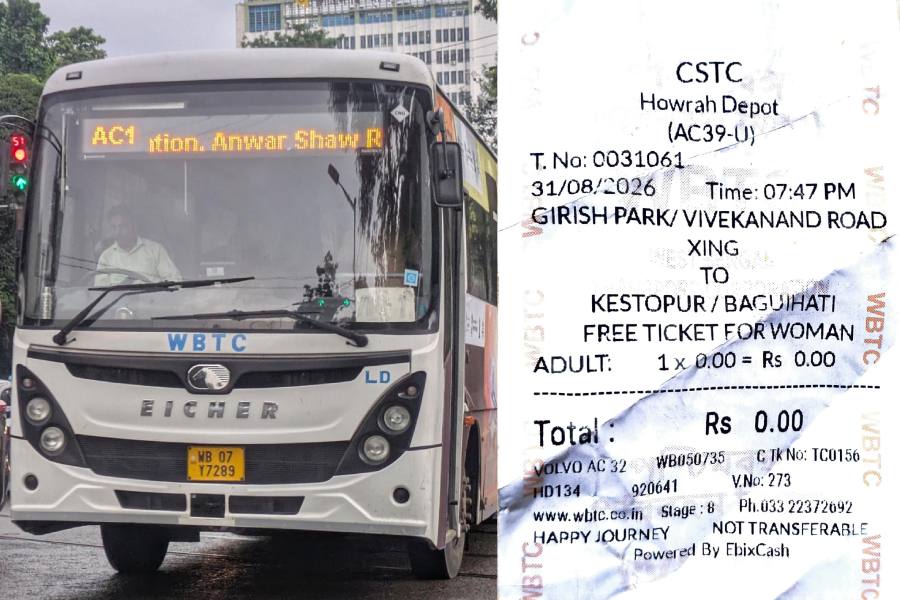
Free Bus Rides for Bengal Women Fuel Class Tensions