1 day ago
Chhattisgarh High Court Grants Divorce Over Mental Cruelty
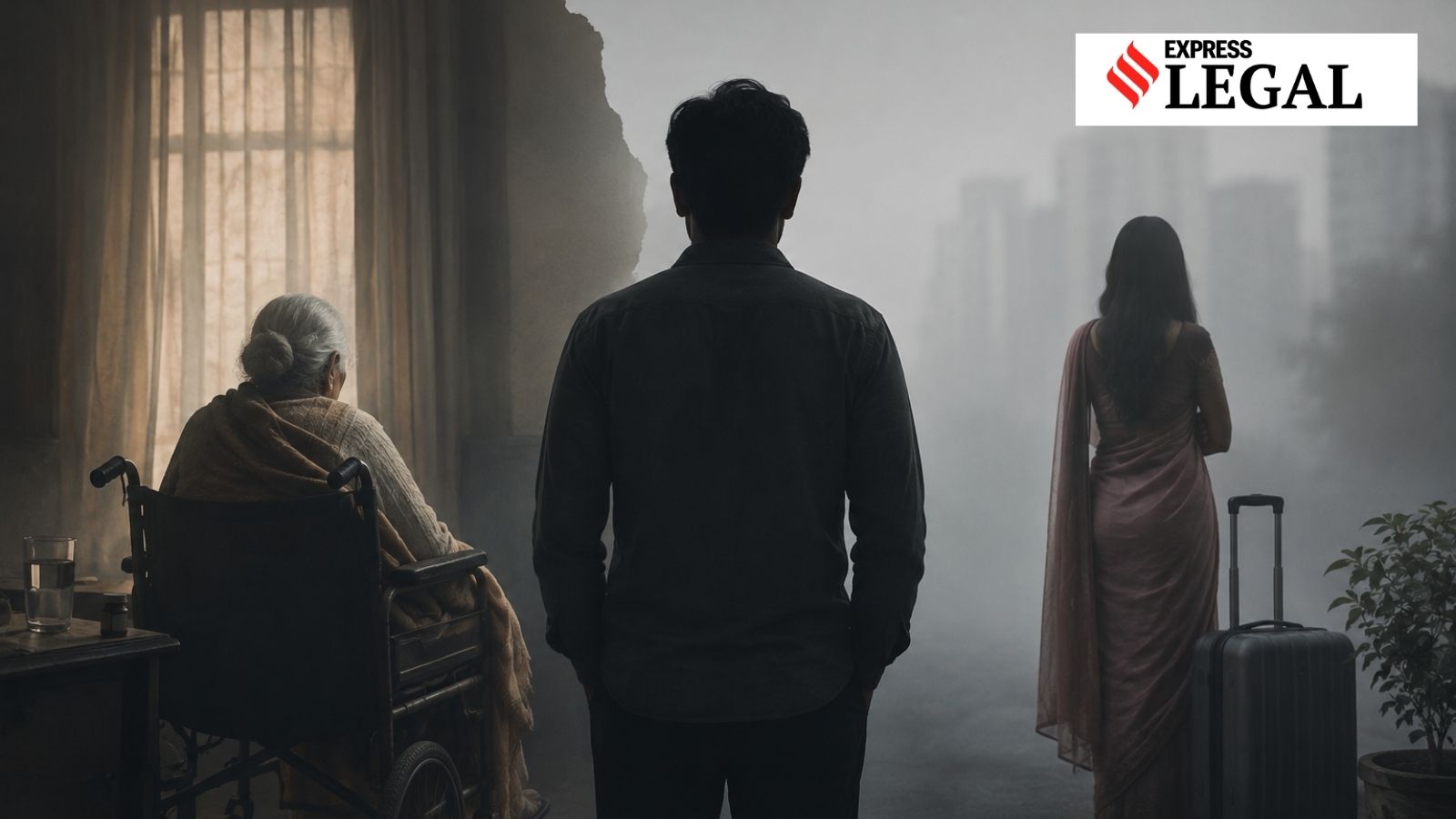
A court in Chhattisgarh granted a man a divorce after examining how his wife had treated him and his family.
The man said she often fought with them and pressured him to leave his mother.
He also said she threatened his family with criminal cases.
His wife denied these accusations and said he had harassed her and wrongly suspected her.
The court said a wife or husband may ask to live separately if there is a good reason.
However, it said someone cannot unfairly force their spouse to abandon responsibilities toward elderly parents.
The court looked at the couple’s overall relationship instead of just one argument.
It decided that the continuing problems made the marriage difficult to continue.

The Chhattisgarh High Court granted a 43-year-old man’s divorce appeal after finding his wife’s overall conduct amounted to mental cruelty.
The court considered allegations of repeated conflict, abuse, threats, and a dowry-harassment case that ended in the husband’s acquittal.
It ruled that asking for a separate home is not automatically cruelty, but persistent and unjustified pressure to sever family ties may be.
The husband alleged his wife pressured him to leave his mother and had inappropriate conversations with another man.
The couple married in December 2014, had a son in 2015, and had allegedly lived separately since 2019.
- Who
- A 43-year-old husband and his wife; Justice Naresh Kumar Chandravanshi delivered the Chhattisgarh High Court order.
- What
- The High Court granted the husband a divorce after finding that his wife’s overall conduct amounted to mental cruelty.
- Where
- The case was heard by the Chhattisgarh High Court.
- When
- The couple married in December 2014, had a son in 2015, separated allegedly in 2019, and the High Court issued its order on August 30 after a February 2025 trial-court ruling.
- Why
- The court found that the continuing conduct alleged and supported in the case made married life reasonably difficult, while also considering the husband’s acquittal in a dowry-harassment case.
Husband’s allegations
Wife’s defense
Living with parents
Husband’s allegations
The husband said his wife pressured him to live separately from his mother and threatened him and his family with false criminal cases.
Wife’s defense
The wife argued that wanting a larger house on the main road did not mean she had demanded that the husband abandon his mother.
Treatment within the marriage
Husband’s allegations
The husband alleged frequent fights, abuse, assaults, and failure to meet marital and family responsibilities.
Wife’s defense
The wife denied assault, harassment, desertion, and allegations involving jewellery and cash, and said the husband had mentally and physically harassed her.
Relationship with another man
Husband’s allegations
The husband claimed he found inappropriate call recordings and chats and said the allegation had been proved.
Wife’s defense
The wife denied having an illicit relationship and said the husband was suspicious of her character.
Key facts
- Marriage
- December 2014
- Child
- The couple had a son in 2015.
- Separation
- The couple allegedly began living separately in 2019.
- Trial-court ruling
- A district judge dismissed the husband’s divorce petition in February 2025.
- High Court outcome
- The Chhattisgarh High Court granted the husband’s divorce appeal.
- Key legal principle
- A request for separate residence is not automatically cruelty, but persistent and unjustified pressure to sever family relationships may amount to mental cruelty.
- Dowry case
- The wife’s dowry-harassment case against the husband ultimately ended in his acquittal.
Quotes

Chhattisgarh High Court
The High Court issuing the divorce order
“The question, therefore, is not whether a wife can ever ask her husband to reside separately from his parents, but whether, in the facts and circumstances of the particular case, the persistent insistence was justified or whether it constituted an unreasonable attempt to compel the husband to sever or substantially alter his relationship with his parents.”
 indianexpress.com
“A matrimonial relationship does not confer upon either spouse an unfettered right to compel the other to renounce or abandon pre-existing familial responsibilities. Marriage creates a new family, but it does not, by itself, extinguish the moral and legal responsibilities which a person may owe towards aged or infirm parents.”
indianexpress.com
Sources
Related news

'Husband Need Not Abandon Ailing Parents,' Court Upholds Divorce
Calcutta High Court Upholds Divorce in Separate-Living Dispute

Chhattisgarh High Court sets aside divorce decree for 'hell-bent' husband
Jharkhand court: no cow at home not grounds for divorce

Calcutta High Court Upholds Divorce, Rejects Condonation Claim

Bombay High Court Rejects Divorce Plea Over Ordinary Marital Disagreements

ED arrests key accused in alleged Chhattisgarh exam leak

ED widens Chhattisgarh probes with two arrests and searches

Four-Time India Gold Medallist Drives Cab Amid Support Wait
BJP opposes Kerala CM’s promise to Dalit Christians

Heavy Rain Threatens Central India as Cities Expect Showers