2 weeks ago
Video Cassettes and Melancholy Music: Hindi Films in 1980s Shillong
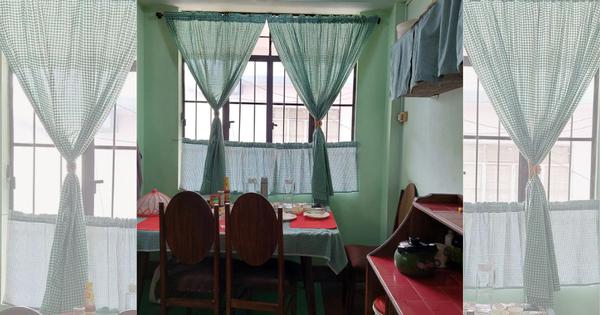
This is a true story about a girl growing up in Shillong, a hill town in northeast India, in the 1980s.
Back then, new movies took a very long time to reach her town.
First, Hindi films came through the television, with a song show on Wednesdays and a film on Sundays.
Later, video shops with exciting names like Eureka and Electrovision began renting out VCR machines.
Because few families could afford one, neighbours would crowd into a dark room to watch three films in two days.
The girl and her friends loved Bollywood stars like Govinda, Sridevi, Shakti Kapoor and Kimi Katkar.
What she loved even more were sad Hindi film songs, which she replayed again and again on her cassette player.
Outsiders thought of Shillong as a town of rock and pop music, but her neighbourhood was full of Hindi film songs.
Later, the composer AR Rahman made Hindi film music cool once more.

Hindi movies reached 1980s Shillong late, first through Chitrahaar every Wednesday and a film every Sunday on state-run television.
Video cassette libraries such as Eureka, Needo, Aristo and Electrovision rented out VCRs, with a rule of three films in two days.
On VCR days, neighbours crowded into a darkened television room for back-to-back movie marathons featuring Govinda, Sridevi, Shakti Kapoor and Kimi Katkar.
The author immersed herself in melancholy Hindi film songs, replaying Mohammad Rafi, Gulzar's lyrics and the Umrao Jaan soundtrack for hours on a two-in-one cassette player.
Although Shillong had a rock-pop image as a hub of Bob Dylan fans, the author's neighbourhood lived on Hindi film music, until AR Rahman and satellite TV made it cool.
- Who
- The author, a Bengali girl growing up in Shillong, along with her family, neighbours and playmates; on screen, Hindi film stars including Govinda, Sridevi, Shakti Kapoor, Kimi Katkar and Hema Malini.
- What
- How Hindi films belatedly reached 1980s Shillong through state television, video cassette libraries and rented VCRs, shaping the author's childhood via movie marathons and melancholy film songs.
- Where
- Shillong, a hill town in Northeast India, with the films on screen set in Bombay.
- When
- The 1980s, with memories extending into the early 1990s, including the 1991 film Love.
- Why
- Because cinemas and VCRs were scarce and arrived late, families rented VCRs and had to watch three films in two days, making Hindi films and songs central to shared home entertainment and the author's inner life.
Popular image: rock-pop hub
Lived reality: Hindi film culture
Shillong's musical identity
Popular image: rock-pop hub
The town's popular image was of a rock-pop music hub where every second person was a Bob Dylan acolyte and western music ruled.
Lived reality: Hindi film culture
The author's neighbourhood was steeped in Hindi film music, with harmoniums rather than guitars in homes and evenings spent on Bollywood cassettes and VCR marathons.
Gatekeeping children's films
Popular image: rock-pop hub
Adults acted as cautious gatekeepers, refusing to rent titles such as Love and flinching at the idea of asking the shopkeeper for Aa gale lag jaa.
Lived reality: Hindi film culture
Children had already devoured everything Hindi cinema taught about love, betrayal and worse at unsupervised movie marathons, making the adults' caution feel ironic to the author.
Is Hindi film music cool?
Popular image: rock-pop hub
By the 1990s, a friend told the author Hindi film music was no longer uncool, as AR Rahman and fusion artists like Bally Sagoo had changed perceptions.
Lived reality: Hindi film culture
For the author, the melancholy of old Hindi film songs always felt at home in Shillong, a longing that needed no trend to be meaningful.
Key facts
- Town
- Shillong, a hill town in Northeast India
- Era
- 1980s, with recollections into the early 1990s
- Video cassette libraries
- Eureka, Needo, Aristo, Electrovision
- Television programming
- Chitrahaar every Wednesday and a film every Sunday on state-run TV
- VCR rental terms
- Three films in two days, then return the machine
- Films referenced
- Shaan, Ganga Jamuna Saraswati, Love (1991), Aa gale lag jaa
- Local cinema
- Old Kelvin cinema in Police Bazaar (Bengali films)
- Music highlights
- Mohammad Rafi, Gulzar lyrics, Umrao Jaan soundtrack, Choli ke peechhe kya hai, AR Rahman, Bally Sagoo
Quotes
A playmate of the author
Child predicting a dialogue from a Hindi film
“"Ekhoni bolbe dekho, ‘Main tumhare bachhe ki maa banne wali hoo’"”
 scroll.in
“"Tora jeno cinema geelre aarki"”
scroll.in
Sources
Related news
Indian Villages Return to Stories Through OTT Series
India's 80th Independence Day: Sen and Chaterji reflect on freedom
Shakeela Wave: How Kerala's Small Theatres Chose Her Over Superstars
Blockbuster Cafe: FTII-Born Bollywood Eatery Feeds Students Affordably

Monalisa challenges stereotypes surrounding Bhojpuri cinema and its films
How Classmates Beat Four Superstars to Become an Onam Phenomenon