13 hrs ago
China, US Pursue $60 Billion Tariff Cuts, Extend Trade Truce

China and the United States plan to lower some extra charges on goods traded between them.
These charges are called tariffs.
Each country proposed tariff treatment for about $30 billion worth of products.
China listed many American farm goods, seafood, wood products and medical devices.
The US listed Chinese household goods, toys and decorations.
Soybeans were not included in China’s list, which disappointed an American soybean group.
The countries also extended their trade pause until January 10.
They will keep discussing coal, farming, artificial intelligence, financial services and direct flights.

China and the United States will pursue reciprocal tariff cuts covering $60 billion in goods, with each side proposing $30 billion in non-sensitive trade.
China’s proposed reductions include US corn, wheat, meat, dairy, seafood, wood products, cosmetics and medical devices, but exclude soybeans.
The United States proposed reducing tariffs on Chinese appliances, tableware, bedding, toys, fireworks, decorations and children’s car seats.
The countries extended their trade truce through January 10, while acknowledging that the cuts’ scope and implementation timing remain unspecified.
China agreed to import 10 million metric tons of US coal annually in 2027 and 2028, while talks will continue on agriculture, artificial intelligence, finance and flights.
- Who
- The governments of China and the United States, including President Xi Jinping, President Donald Trump and US Trade Representative Jamieson Greer.
- What
- The countries pledged to pursue reciprocal tariff cuts covering about $60 billion in goods and extended their trade truce.
- Where
- The summit was hosted in Washington, while related statements were issued by officials in Beijing and Washington.
- When
- The pledge followed a summit held the previous week; the truce runs through January 10, and coal imports are planned for 2027 and 2028.
- Why
- The measures are intended to improve market access, provide a more stable environment for companies and give both sides time to address wider economic and trade issues.
Supportive Government View
Cautious Trade and Market View
Value of the tariff framework
Supportive Government View
The United States described the proposals as unlocking improved market access for about 30% of US exports to China, while China said the truce extension would support a stable and predictable environment for companies.
Cautious Trade and Market View
The statements did not establish the reductions’ size or implementation date, and investors reacted negatively because the summit produced few concrete details.
Exclusion of soybeans
Supportive Government View
China’s list covers numerous US agricultural products and is presented as supporting broader agricultural trade and Beijing’s stated purchasing commitments.
Cautious Trade and Market View
The American Soybean Association said excluding soybeans would leave a 10% retaliatory tariff in place and limit opportunities for private Chinese buyers; soybean futures also fell after the announcement.
Coal and energy trade
Supportive Government View
China’s commerce ministry said US coal could supplement China’s domestic market while supporting income and employment in the US coal industry.
Cautious Trade and Market View
Liquefied natural gas and oil were not included in the listed energy arrangements, leaving the agreement focused on a narrower coal commitment.
Key facts
- Proposed tariff coverage
- About $60 billion in goods, with each country recommending $30 billion in non-sensitive trade for more favorable treatment.
- Implementation status
- The statements did not specify the extent of the tariff reductions or when they would take effect.
- China’s proposed cuts
- US corn, wheat, sorghum, meat, dairy, vegetable oils and meals, fish and seafood, logs and wood products, cosmetics and medical devices.
- US proposed cuts
- Chinese small appliances, tableware, blankets, bed linens, toys, fireworks, artificial flowers, holiday decorations and children’s car seats.
- Soybean omission
- Soybeans, including non-seed soybeans, were excluded from China’s listed tariff reductions; the American Soybean Association criticized the decision.
- Trade truce
- Extended for two months through January 10.
- Coal agreement
- China plans to import 10 million metric tons of US coal annually in 2027 and 2028, roughly 2% of its annual coal imports.
- Additional discussions
- The countries will discuss agricultural access, investment barriers, artificial-intelligence incidents, financial services and increased flights.
Quotes

China’s commerce ministry
Chinese government ministry responsible for commerce and trade policy
“Importing US coal is not only a beneficial supplement to China’s domestic coal market, but also brings stable economic income and employment to the US coal industry.”
 theprint.in
theprint.in
theprint.in
American Soybean Association
US soybean industry trade group
“Removing the tariff would improve the competitiveness of US soybeans and provide greater opportunity for private Chinese buyers”
theprint.in
Sources
Related news
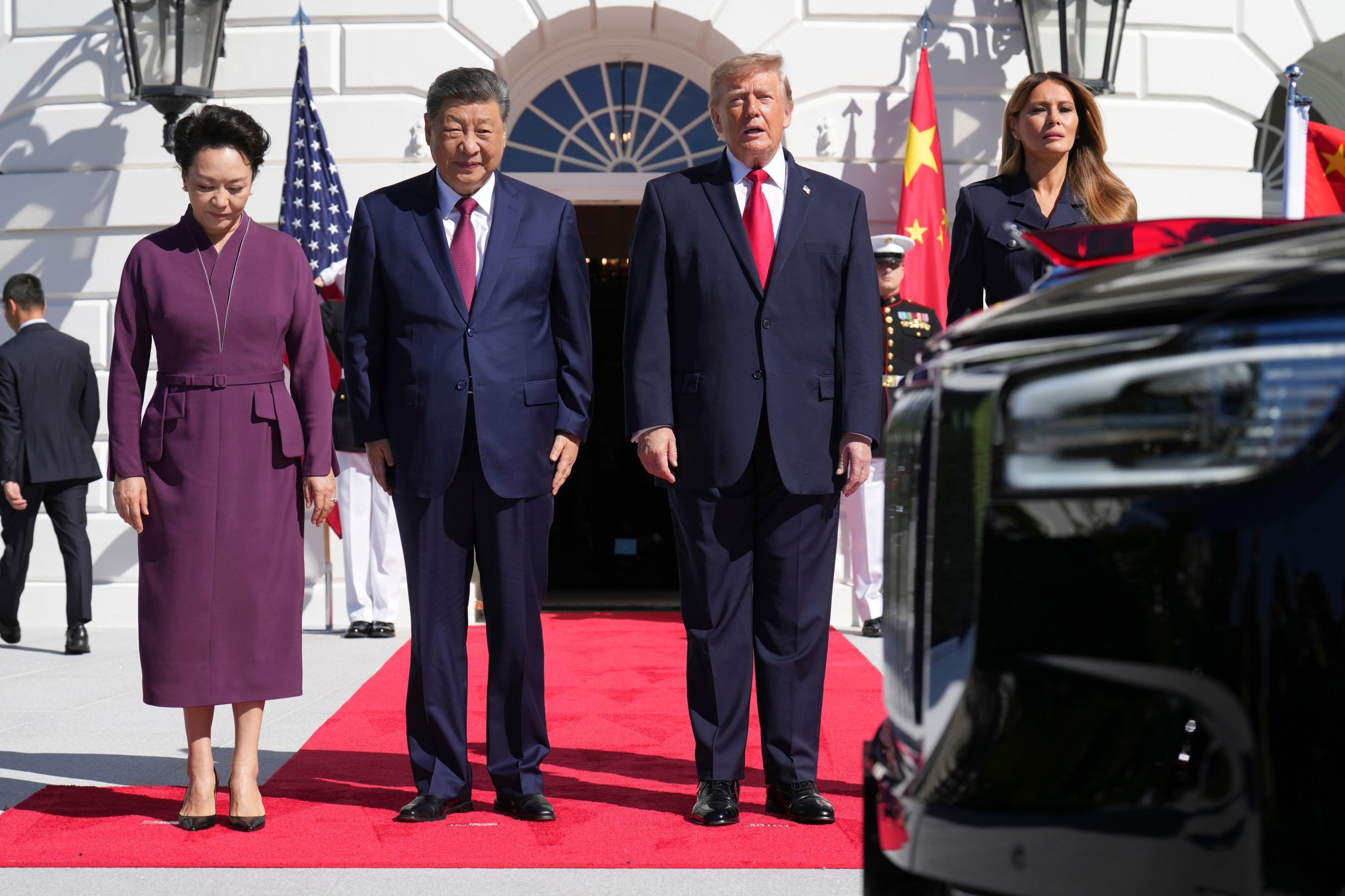
US and China Set Tariff Cuts on $30 Billion Goods
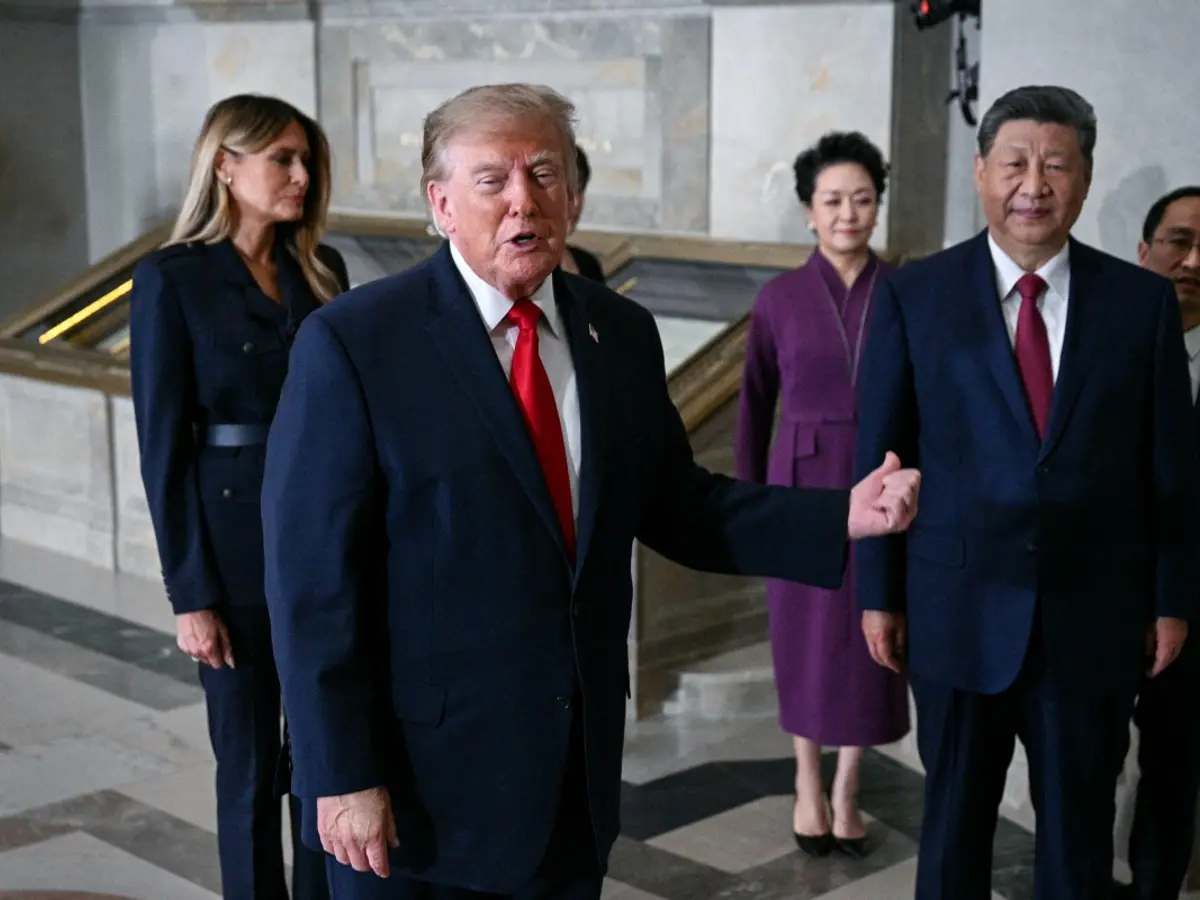
US and China Unveil $30 Billion Reciprocal Tariff Framework
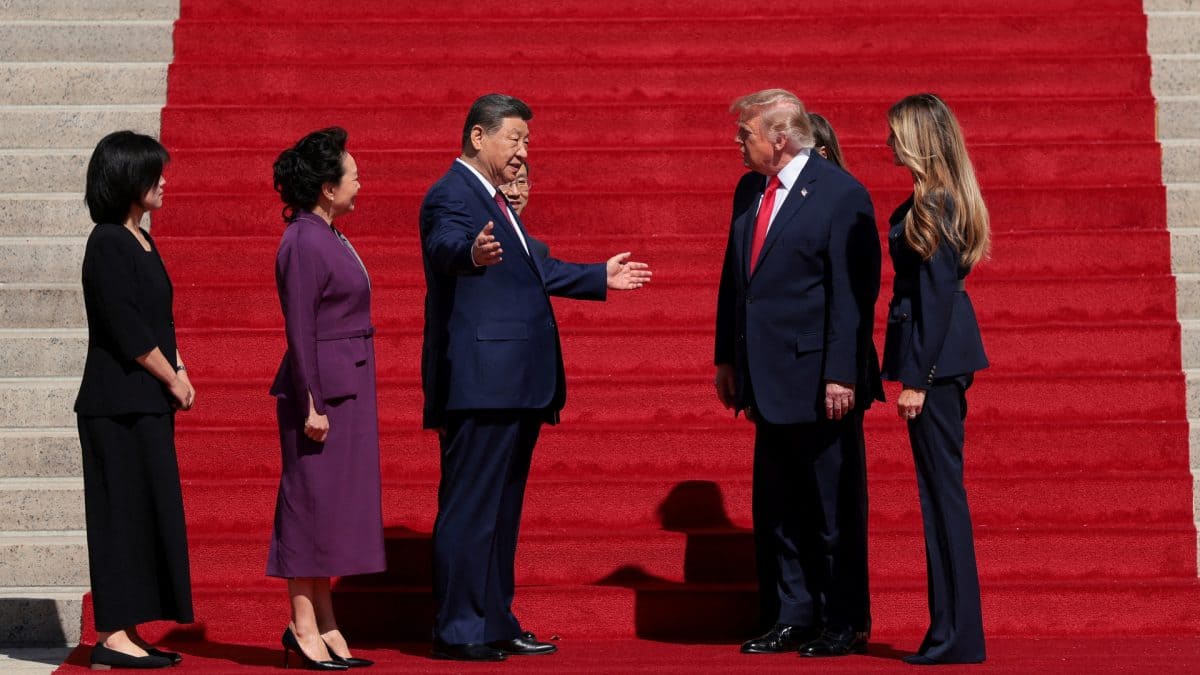
US-China Reveal $30 Billion Reciprocal Tariff Reduction Framework
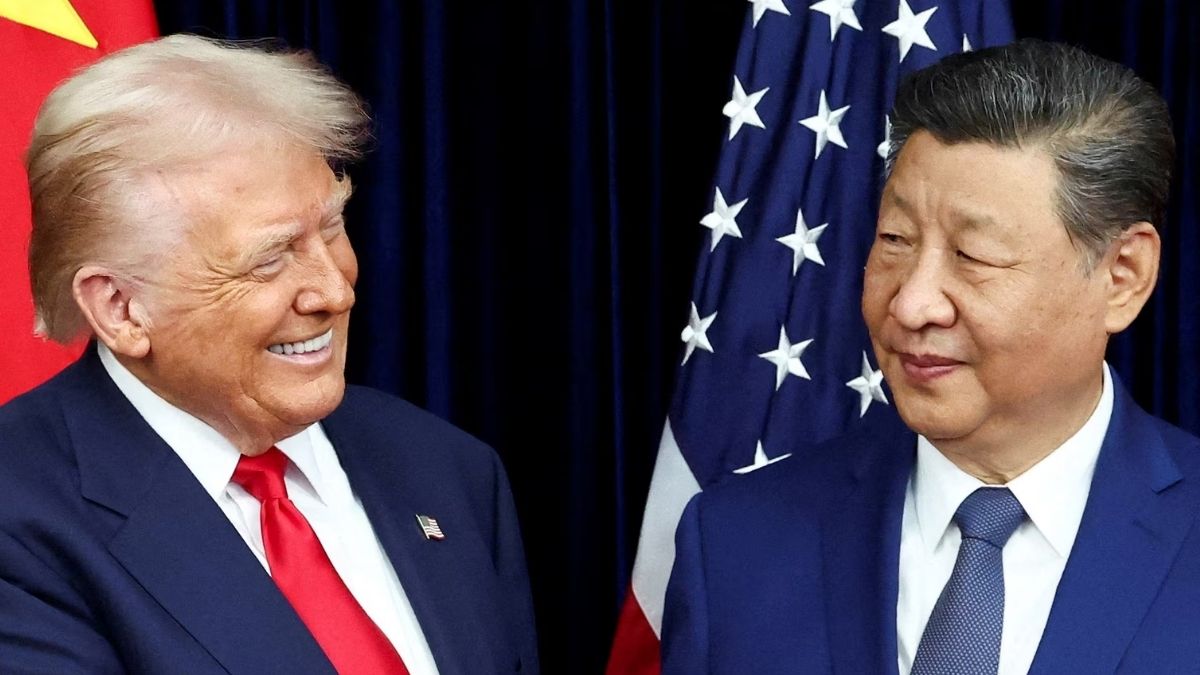
US-China Tariff Cuts Target $30 Billion in Selected Goods
US-China Board Proposes Tariff Cuts Covering $30 Billion Each Way
China Says Trade Truce Extension Creates Space for Talks
U.S. Restricts Visas Over International Child Abduction Case Obstruction
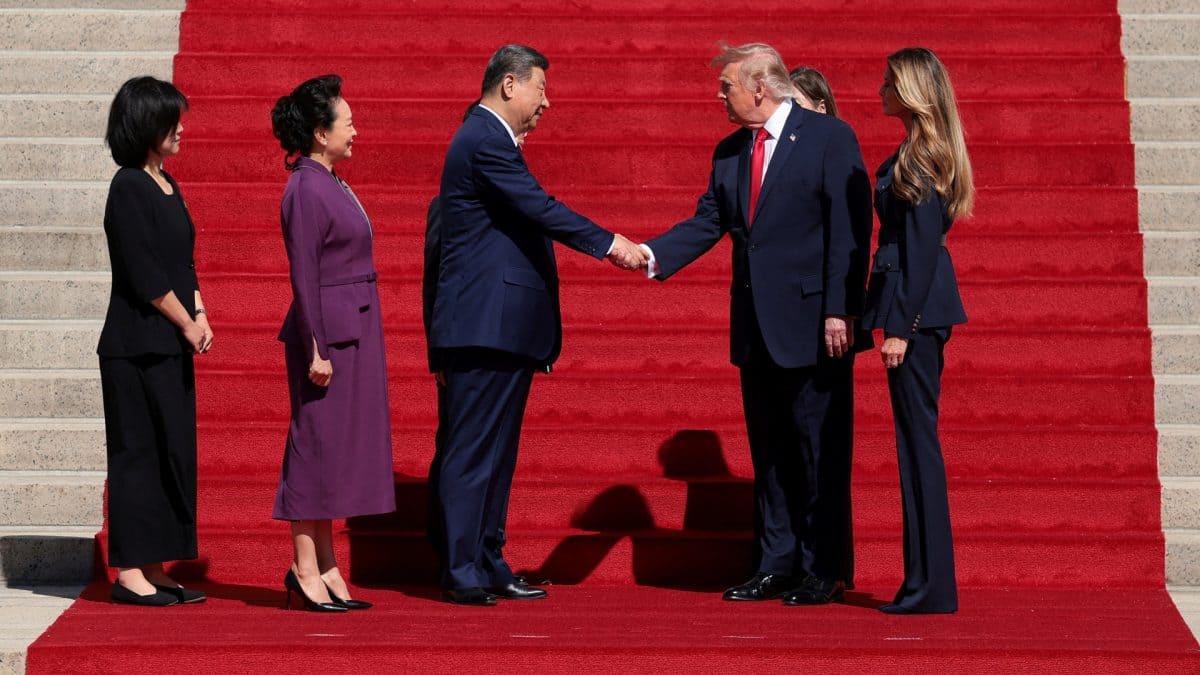
Trump Asked Xi About Buying U.S. Weapons Amid Taiwan Tensions

US Expands Birth Tourism Visa Restrictions, Including Indian Applicants