9 hrs ago
US Expands Birth Tourism Visa Restrictions, Including Indian Applicants
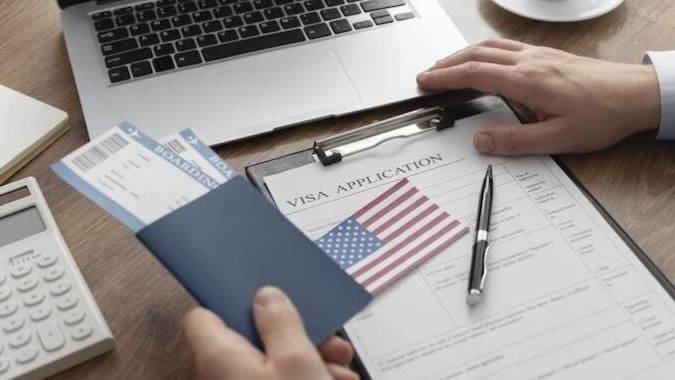
Birth tourism means travelling to the United States mainly to have a baby who may receive US citizenship.
The US already says visitor visas cannot be used mainly for this purpose.
A new policy also targets businesses, agents, medical providers and others who help organize these trips.
Pregnant people are not automatically banned from visiting the United States.
They may still travel for permitted reasons, such as legitimate medical treatment.
Applicants must be truthful about why they are travelling.
Lying about the purpose of a trip can lead to visa refusal or denial of entry.
Indian travellers follow the same rules as people from other countries.
The visa restrictions are separate from the legal fight over birthright citizenship.

The September 23 policy targets networks and individuals facilitating commercial birth tourism.
Birth tourism means travelling to the US primarily to give birth so a child obtains citizenship.
Pregnant travellers are not automatically barred, but concealing travel intentions can lead to serious consequences.
Indian applicants face the same US visa standards as other foreign nationals.
Separate efforts to restrict birthright citizenship are being challenged in federal court.
- Who
- The US government, including the State Department and Department of Homeland Security, is targeting birth-tourism facilitators; Indian travellers are among those affected by the general visa rules.
- What
- The United States has expanded visa-related restrictions against commercial birth-tourism networks, facilitators and people who misrepresent their travel purpose.
- Where
- The restrictions concern travel to and entry into the United States.
- When
- The expanded policy was announced on September 23; it follows an executive order signed on August 6.
- Why
- The administration says commercial networks exploit the citizenship system by arranging childbirth, coaching applicants to conceal their intentions and charging substantial fees.
US Administration
Legal Challenge and Critics
Visa restrictions
US Administration
The administration says commercial birth-tourism networks exploit the citizenship system and should face visa denial, revocation, denial of entry or other measures.
Legal Challenge and Critics
The policy does not automatically ban pregnant travellers; lawful travel and legitimate medical treatment remain permissible, while legal concerns focus on how the restrictions are applied.
Birthright citizenship
US Administration
The administration seeks to narrow the circumstances in which certain children born in the US receive birthright citizenship, including some commercial arrangements.
Legal Challenge and Critics
The citizenship-related measures face ongoing legal challenges, and a federal judge in Maryland has blocked the latest attempt while litigation continues.
Key facts
- Birth tourism
- Travel to the US primarily to give birth so the child obtains US citizenship.
- Visa category
- B-1/B-2 visitor visas may be used for tourism, business or medical treatment, but not primarily to give birth for citizenship.
- Policy date
- September 23
- Targeted facilitators
- Network owners, operators, managers, visa fixers, knowingly involved medical providers and other enablers.
- Legal basis
- Section 212(a)(3)(C) of the Immigration and Nationality Act.
- Impact on Indians
- Indian applicants are subject to the same US visa standards as other foreign nationals.
- Birthright citizenship litigation
- A federal judge in Maryland has blocked the administration's latest attempt to restrict birthright citizenship while litigation continues.
Sources
Related news
US Targets Birth-Tourism Networks With New Visa Restrictions
US Announces Visa Restrictions Targeting Commercial Birth Tourism Networks

US Tweaks Visa Rules on Birth Tourism: Indian Applicants

Trump’s Birthright Citizenship Push Faces Federal Court Block

Trump Administration Proposes Parental Status Proof for Children’s Passports
US Lawmakers Clash Over China and Birthright Citizenship
Trump Asked Xi About Buying U.S. Weapons Amid Taiwan Tensions
US-China Board Proposes Tariff Cuts Covering $30 Billion Each Way
Bill Gates Urges Congress to Mandate AI Safeguards
Trump-Xi Summit Ends With Pageantry, Iran Talks and Few Breakthroughs