

1 hr ago
Sharat Saxena’s Standing MRI Before Spine Surgery Explained

An upright MRI is a special scan of the spine.
Instead of lying down, the person stands or bears weight during the scan.
This can show how the spine behaves under normal body pressure.
Some problems are easier to see when someone is upright.
Doctors may use this scan while checking a person before spine surgery.
The scan is only one part of the evaluation.
Doctors also look at symptoms and perform a physical examination.
They may use other tests before deciding whether surgery is appropriate.

An upright MRI scans the spine while a patient is standing or bearing weight.
The position can reveal spinal alignment, movement, or abnormalities that may look different when lying down.
Some spinal problems become more pronounced when the body is upright.
The scan may be included in a broader evaluation before spine surgery.
Doctors also consider symptoms, physical examinations, and other tests before recommending surgery.
- Who
- Patients with possible spinal problems, along with the doctors evaluating them.
- What
- An upright MRI may be used to examine the spine before possible surgery.
- Where
- In an upright MRI setting, with the patient standing or bearing weight.
- When
- During a broader spine evaluation before surgery.
- Why
- To assess spinal alignment, movement, or abnormalities that may appear differently when the patient is upright.
Key facts
- Scan type
- Upright MRI
- Patient position
- Standing or bearing weight
- What it assesses
- Spinal alignment, movement, and abnormalities
- Clinical context
- May be part of a broader evaluation before spine surgery
- Additional evaluation
- Symptoms, physical examination, and other diagnostic tests
- Surgical decision
- Doctors combine the available findings before deciding whether surgery is appropriate
Sources
Related news
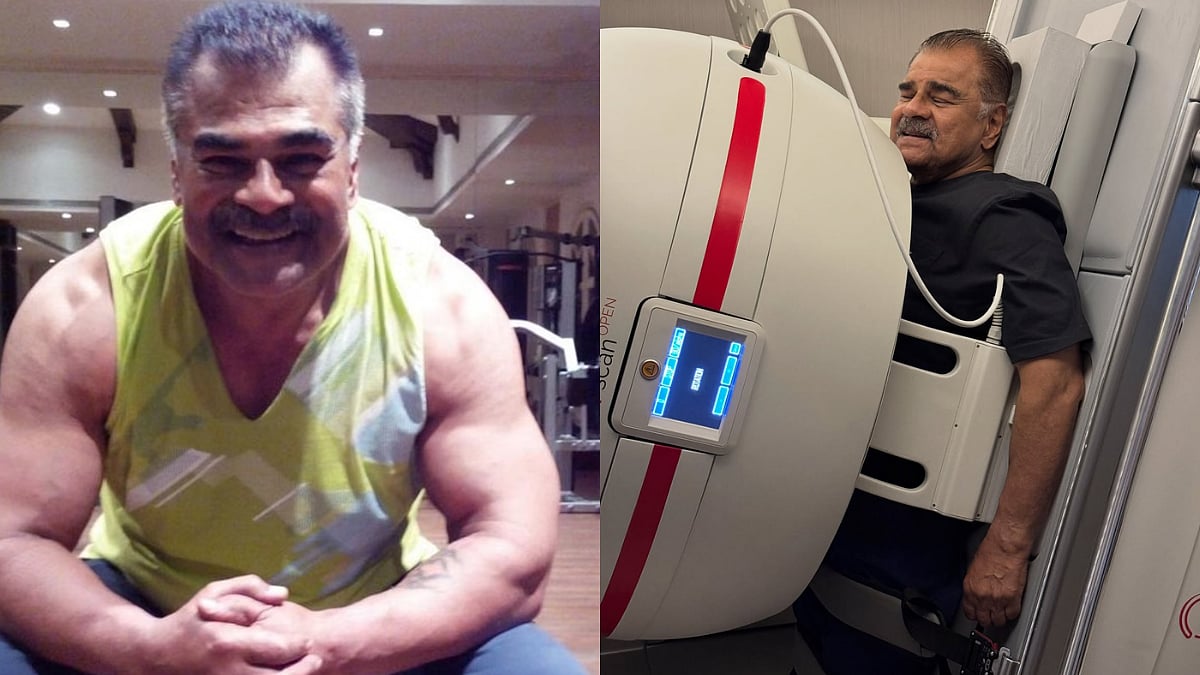
Sharat Saxena Gets Standing MRI Before Lumbar Spine Surgery

Unexpected Findings During Surgery Don't Automatically Indicate Cancer
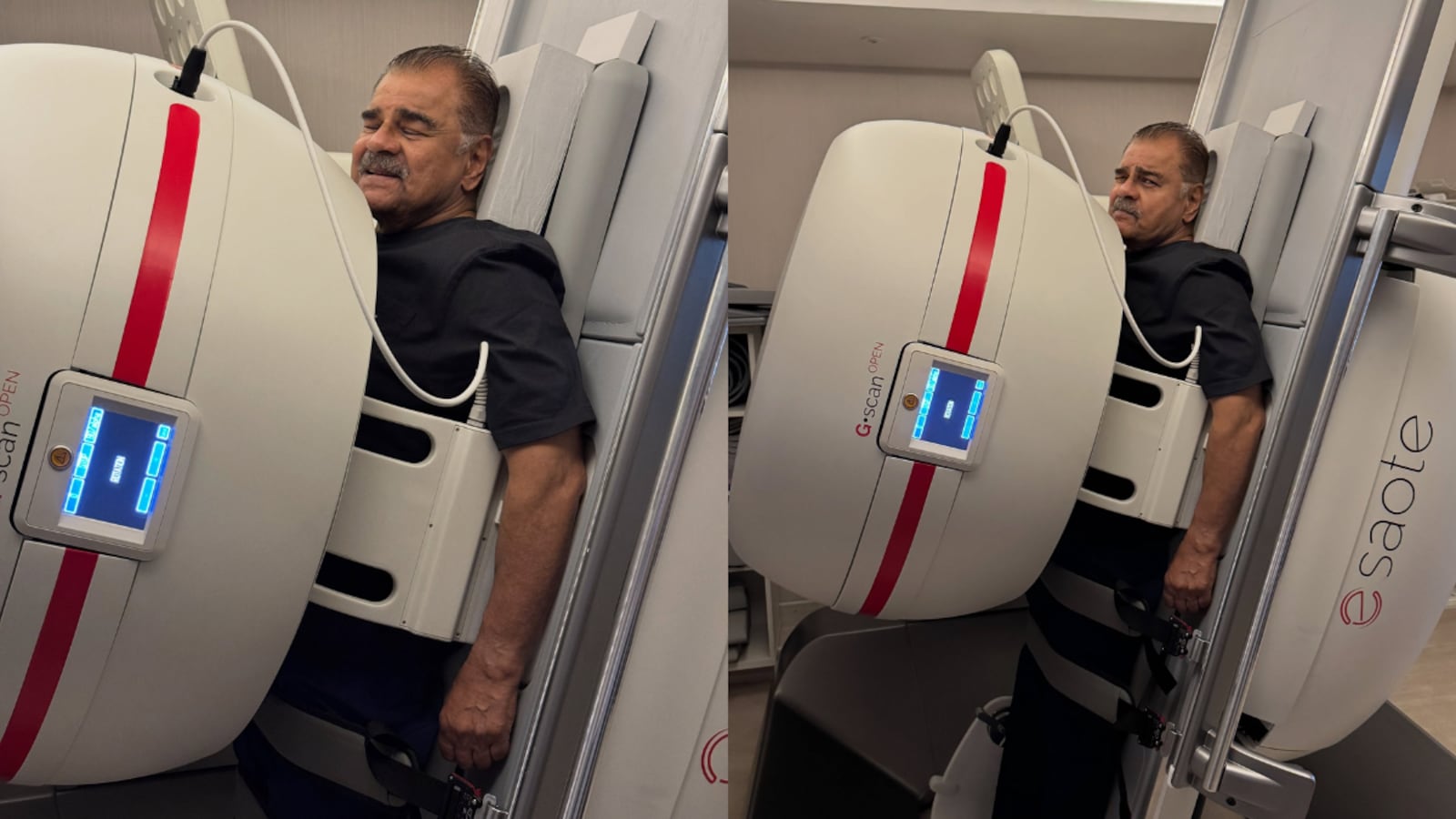
Veteran Actor Sharat Saxena Shares Health Update Before Spine Surgery

Prolonged Phone and Laptop Use Can Harm Spine Health

Kartik Aaryan’s Knee Surgery Raises Questions About Injury Treatment

Jitendra Singh urges clinical reasoning over excessive medical investigations

Hum Mein Shahenshah Kaun Releases After 37 Years

The Raja Saab Flops, Replaced by New Films
