1 month ago
Varicose Veins Affect 25-30% of Indians
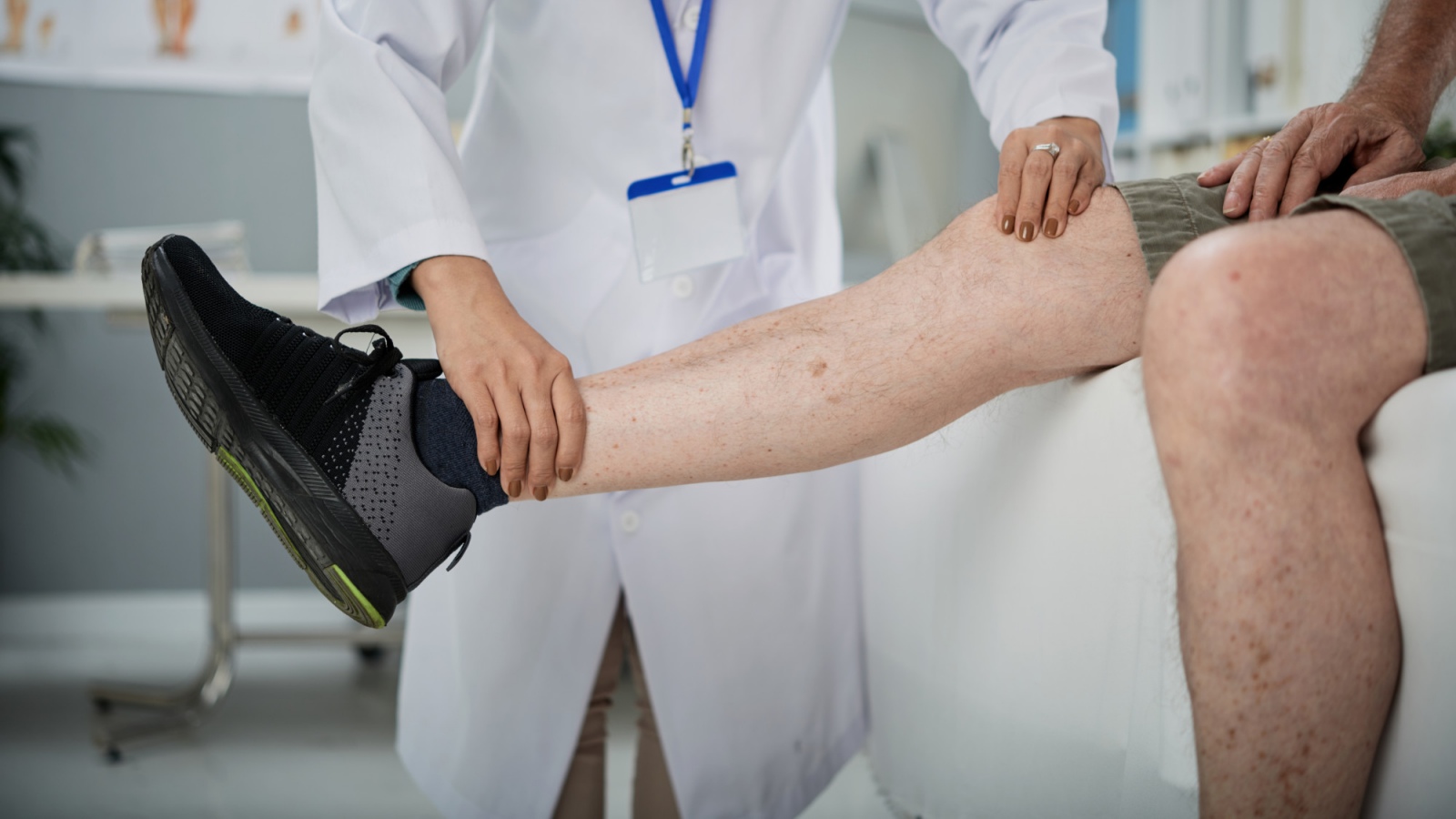
Varicose veins are a common condition where the veins in the legs become enlarged and twisted.
This happens because the valves inside the veins stop working properly, causing blood to pool.
About 25-30% of Indians have this condition, especially women, older adults, and people who stand for long hours.
Symptoms include leg pain, swelling, visible veins, and skin color changes.
If these symptoms get worse, it's important to see a doctor.
A Doppler ultrasound can help diagnose the problem.
If left untreated, varicose veins can lead to more serious issues like ulcers and clots.
To prevent varicose veins, it's good to walk regularly, maintain a healthy weight, avoid sitting or standing for too long, and wear compression stockings if advised by a doctor.
Treatments like laser ablation and glue therapy are available for more advanced cases.

25-30% of Indians have varicose veins, with higher prevalence in women, older adults, and those with obesity or jobs requiring prolonged standing.
Symptoms include leg pain, swelling, visible veins, itching, skin color changes, and night-time cramps.
A Doppler ultrasound is recommended for persistent or worsening symptoms to assess vein function.
Untreated varicose veins can lead to complications like skin pigmentation, venous eczema, ulcers, and clots.
Prevention includes regular walking, maintaining a healthy weight, avoiding prolonged sitting/standing, elevating legs, and wearing compression stockings.
- Who
- 25-30% of Indians, particularly women, older adults, and those with obesity or jobs requiring prolonged standing
- What
- Varicose veins are enlarged, twisted veins caused by weakened valves in leg veins
- Where
- Affects leg veins
- When
- Symptoms should be evaluated when they persist or worsen
- Why
- Weakened valves cause blood pooling, leading to varicose veins
Immediate Medical Attention
Monitoring Symptoms
Severity of Symptoms
Immediate Medical Attention
Immediate medical attention is crucial to prevent severe complications like ulcers and clots.
Monitoring Symptoms
Mild symptoms can be monitored and managed with lifestyle changes.
Key facts
- Prevalence
- 25-30% of Indians
- Common Symptoms
- Leg pain, swelling, visible veins, itching, skin color changes, night-time cramps
- Diagnostic Tool
- Doppler ultrasound
- Complications
- Skin pigmentation, venous eczema, ulcers, clots
- Prevention
- Walking, maintaining weight, avoiding prolonged sitting/standing, elevating legs, compression stockings
- Treatment Options
- Laser ablation, radiofrequency ablation, glue therapy
Quotes
Dr. Abhishek Bansal
Senior Consultant, Chief of Interventional Radiology at Aakash Healthcare
“A Doppler ultrasound is recommended when symptoms persist, worsen, or when poor blood flow is suspected. It is also an essential investigation before planning treatment because it helps assess how well the veins and their valves are functioning.”
 indianexpress.com
“If you don’t treat them, the next stages are colour changes. The legs become black in colour. You’ll get ulcers in the leg… And the worst possibility is that clots form in the leg and they migrate to the heart.”
indianexpress.com
Sources
Related news

Reliance Explores Aluminium Production Through Odisha Bauxite and Coal Gasification

Volvo EX90 and ES90 India Launch Set for October 12

Gujarat launches DNA-based sports talent hunt for 2030 Commonwealth Games

New model maps Delhi’s traffic noise across urban landscape

Reliance Explores Aluminium as Ambani-Adani Rivalry Expands