

9 months ago
Study: HIV Antibody Treatments Vary by Geographic Origin
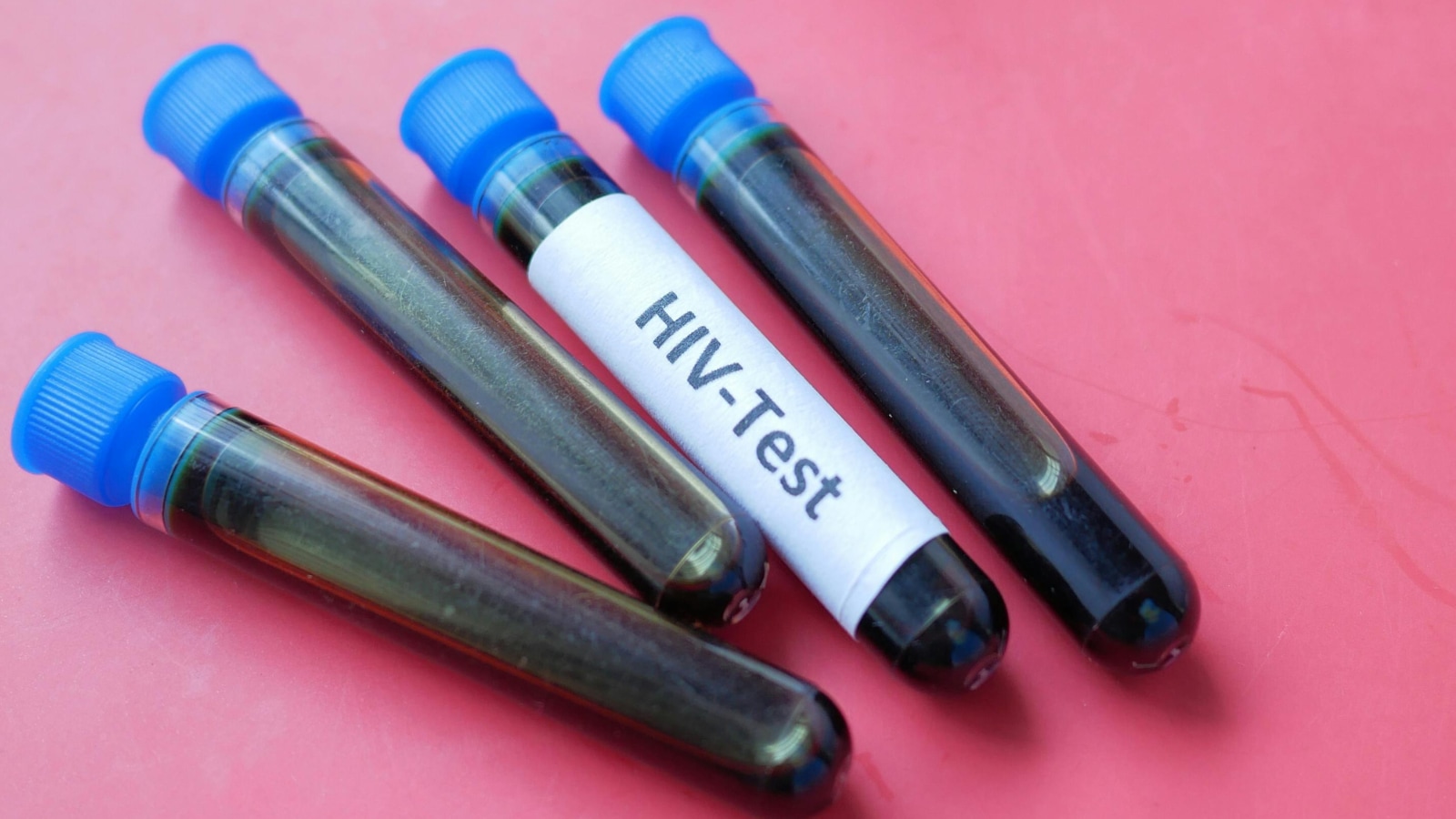
Imagine HIV is like a very tricky virus that keeps changing its disguise.
Scientists have found some special 'super antibodies' that can fight many of these disguises.
But, a new study from India discovered that these super antibodies don't work as well on HIV that comes from different parts of the world.
This means that if we want to create a vaccine or medicine that really helps everyone, we might need to make ones that are made specifically for the types of HIV found in certain areas.
The study also found that some people already had resistance to common HIV medicines before they even started treatment.
This shows we need new ways to fight HIV, possibly using these special antibodies alongside existing medicines.

New Indian research indicates that promising antibody-based HIV treatments are less effective depending on the geographic origin of the virus.
The study suggests that future HIV vaccines and antibody therapies may need to be optimized for specific regions due to variations in HIV strains.
HIV-1 Clade C, a common variant in Africa and India, shows genetic differences and varied antibody responses based on its origin, impacting the effectiveness of broadly neutralizing antibodies (bnAbs).
Researchers identified pre-treatment drug resistance in up to 11% of participants, highlighting a growing concern in HIV management.
The findings support the development of region-specific HIV prevention strategies and combinations of bnAbs with antiretroviral therapy to combat drug-resistant strains.
- Who
- Indian researchers and scientists
- What
- A study found that antibody-based HIV treatments are less effective depending on the geographic origin of the virus, suggesting a need for region-tailored treatments or vaccines.
- Where
- India and Africa (for comparison of HIV strains)
- When
- The study was recently published.
- Why
- To understand the effectiveness of broadly neutralizing antibodies (bnAbs) against different HIV variants and inform the development of region-specific prevention and treatment strategies.
Key facts
- Study Publication
- Journal of Virology
- Primary Variant Studied
- HIV-1 Clade C
- Key Finding
- Effectiveness of broadly neutralizing antibodies (bnAbs) varies based on geographic origin of HIV-1 Clade C.
- Implication
- Future HIV vaccines or antibody treatments may need to be region-specific.
- Drug Resistance Finding
- Up to 11% of participants showed pre-treatment antiretroviral drug resistance.
Quotes
Dr. Jayanta Bhattacharya
Dean, BRIC-Translational Health Science and Technology Institute (THSTI) at Faridabad and corresponding author of the study
“This study has provided vital insights into the potential of broadly neutralizing antibodies to transform HIV prevention and treatment.”
 indianexpress.com
“Data from this study provides critical insights for developing region-specific HIV prevention strategies, either by designing vaccines that can trigger strong antibody responses or by using passive immunisation for individuals at high risk.”
indianexpress.com
Study authors
Authors of the study
“Identifying and selecting bnAbs appropriate for comprehensive neutralization of circulating Indian strains will be crucial.”
indianexpress.com
Sources
Related news

India’s HIV Revolution Aims to Shape Global Treatment’s Future

New Study: Viral Infections Like COVID-19 and Flu Significantly Increase Heart Attack Risk

Chandigarh Advances HIV Targets; Focuses on Treatment

Groundbreaking Medical Discoveries Awarded by the Nobel Assembly
