4 days ago
Mahalaya 2026: Home Tarpan Rituals, Timings and Who Can Perform
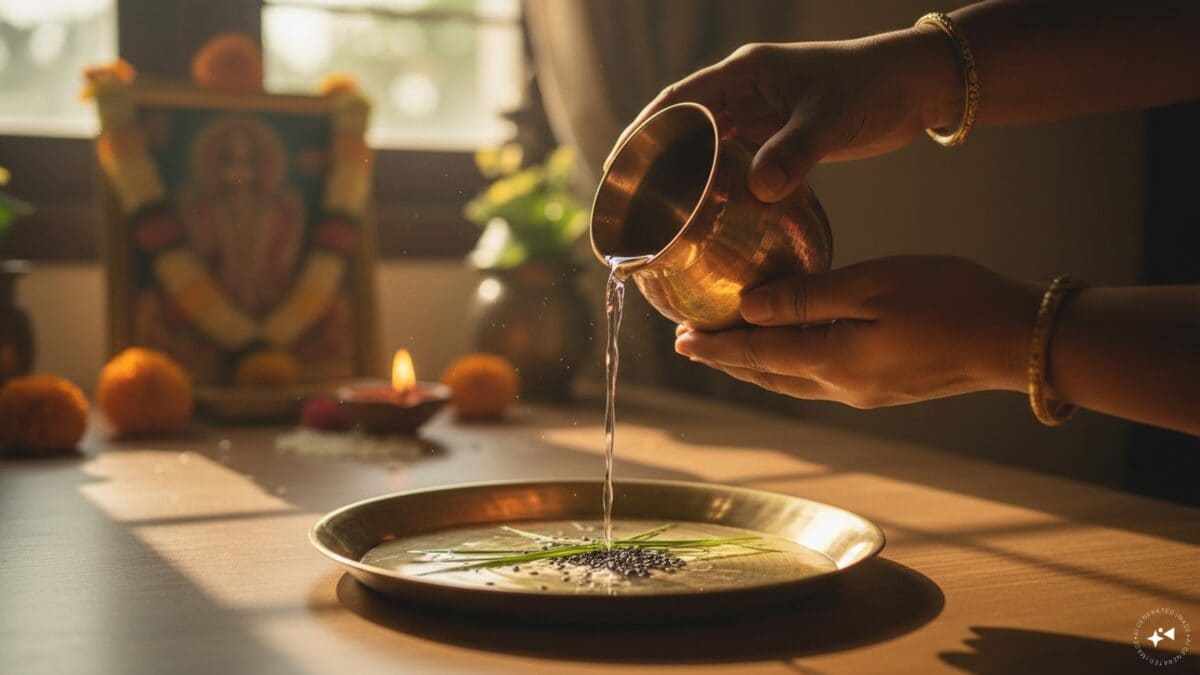
Mahalaya is a time when many Hindu families remember people in their family who have died.
In 2026, Mahalaya Amavasya is on October 10.
One way to remember ancestors is Tarpan, a ritual offering of water, often with black sesame seeds.
Families may also use grass, rice or barley, depending on their customs.
People often face south for this offering.
A simple prayer is “Om Pitribhyo Namah,” which means a salutation to ancestors.
Families have different ways of doing the ritual, and it is not automatically restricted to men or eldest sons.
A priest can help with a more formal Shradh ceremony.

Mahalaya Amavasya falls on Saturday, October 10, 2026, the final day of Pitru Paksha.
The Amavasya Tithi runs from 9:35 PM on October 9 to 9:19 PM on October 10.
Shradh is generally performed during Kutup and Rohina Muhurats and into Aparahna Kaal; Tarpan is traditionally offered toward the end.
A simple home Tarpan may use clean water, black sesame seeds and a clean vessel; other materials and procedures depend on family tradition.
The article says there is no blanket rule limiting Tarpan to men or eldest sons; families can follow their tradition or consult a priest.
- Who
- Hindu families observing Mahalaya and remembering their ancestors.
- What
- Mahalaya Tarpan, an ancestral water offering, and guidance on its timing and home observance.
- Where
- At home or wherever families perform the rite; the article gives no specific location.
- When
- Saturday, October 10, 2026; Amavasya Tithi begins October 9 at 9:35 PM and ends October 10 at 9:19 PM.
- Why
- To honour and remember known and unknown ancestors on Sarva Pitru Amavasya, the final day of Pitru Paksha.
Traditional assignment
Flexible participation
Who may perform Tarpan
Traditional assignment
Some family traditions assign the rite to the eldest son or male head of the family.
Flexible participation
The article says this is not a blanket restriction: there is no general rule that only a male or eldest son may pray for ancestors, and families may follow their own customs.
How to observe the ritual
Traditional assignment
Formal Shradh may require specific mantras, sequences and procedures prescribed by a family tradition or priest.
Flexible participation
A simple home remembrance and water offering can be performed without a priest by families comfortable with their established practice.
Key facts
- Mahalaya Amavasya
- Saturday, October 10, 2026
- Amavasya Tithi
- October 9 at 9:35 PM to October 10 at 9:19 PM
- Kutup Muhurat
- 11:45 AM–12:31 PM
- Rohina Muhurat
- 12:31 PM–1:18 PM
- Aparahna Kaal
- 1:18 PM–3:37 PM
- Common Tarpan items
- Clean water, a vessel, and black sesame seeds; kusha or darbha grass, barley or rice may be used according to tradition.
- Simple prayer
- “Om Pitribhyo Namah”
- Ritual guidance
- Customs vary; the article recommends following family practice or seeking a priest’s guidance for formal Shradh.
Quotes
Article's cited Sanskrit prayer
A commonly used salutation to the ancestors in ancestral rites.
“ॐ पितृभ्यो नमः”
 news18.com
Sources
Related news

Sarva Pitru Amavasya 2026: Date, Timings and Rituals
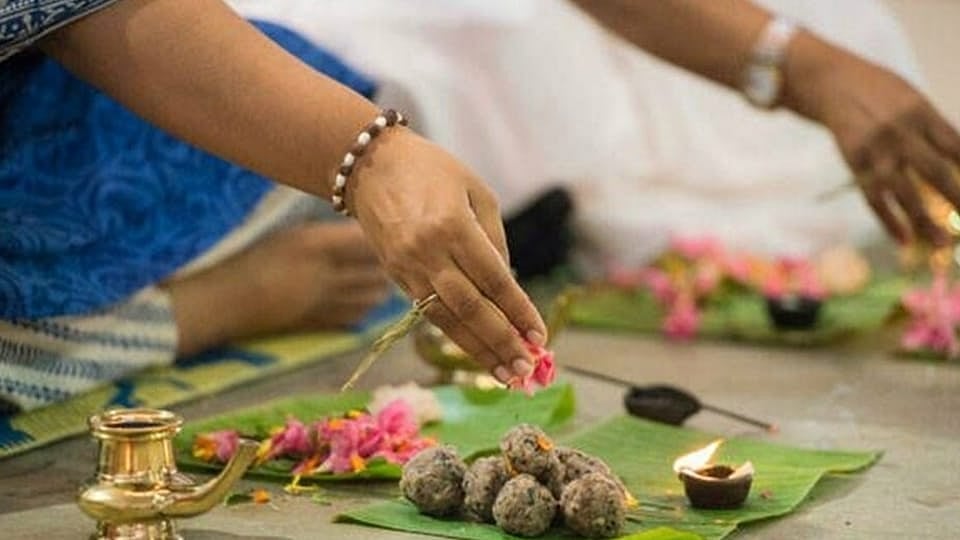
Sarva Pitru Amavasya 2026: Date, Rituals and Timings

Pitru Paksha 2026: Tarpan Ritual Honors Ancestors
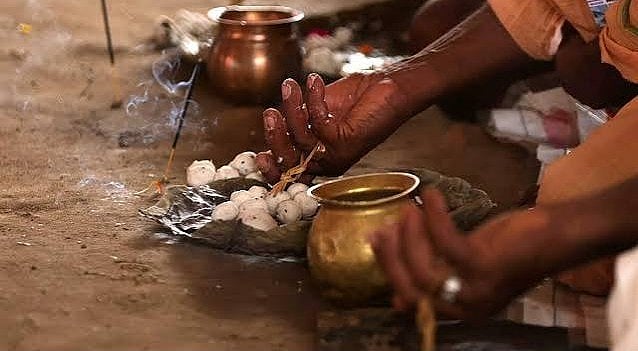
Why Tarpan Water Flows From the Thumb During Mahalaya Amavasya
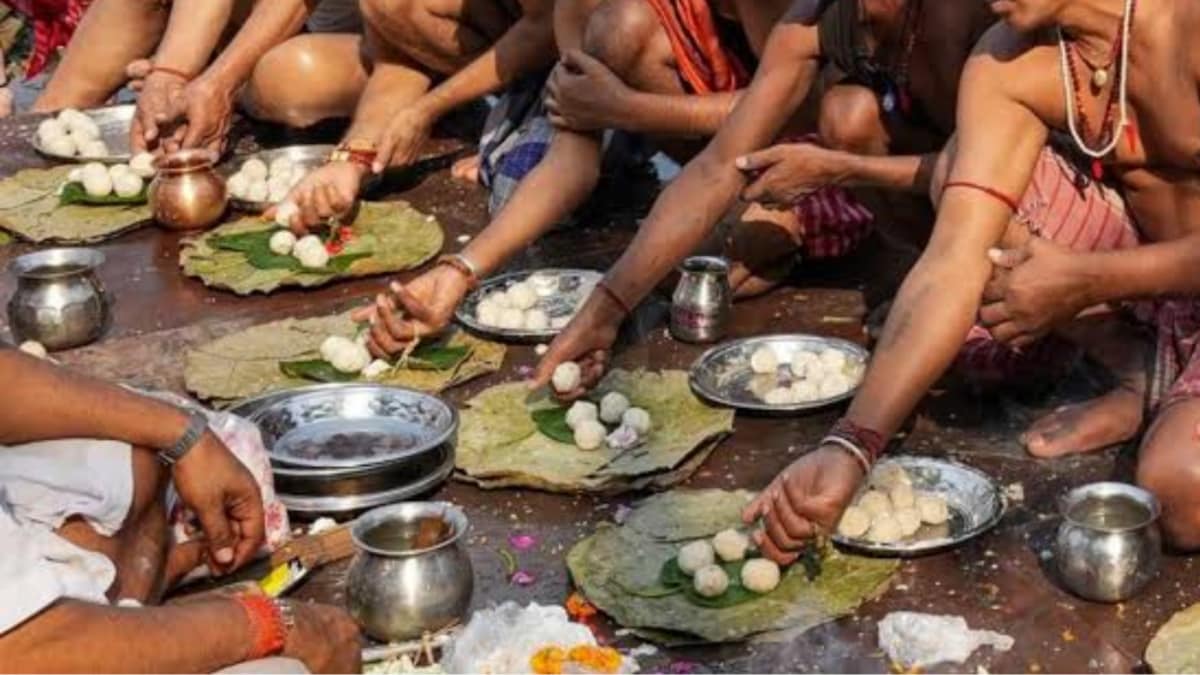
Pitru Paksha 2026: Dates, Rituals, Dos And Don’ts Explained

Pitru Paksha 2026: Shradh Rituals, Dates and Significance

Bhadrapada Purnima 2026: Date, Rituals, Muhurat And Significance

Pitru Paksha Begins Tomorrow With Ancestor Rituals and Traditions

Parivartini Ekadashi 2026: Fast-Breaking Muhurat Set For September 23