3 weeks ago
Bengal govt eyes land pooling, industrial parks to attract investors
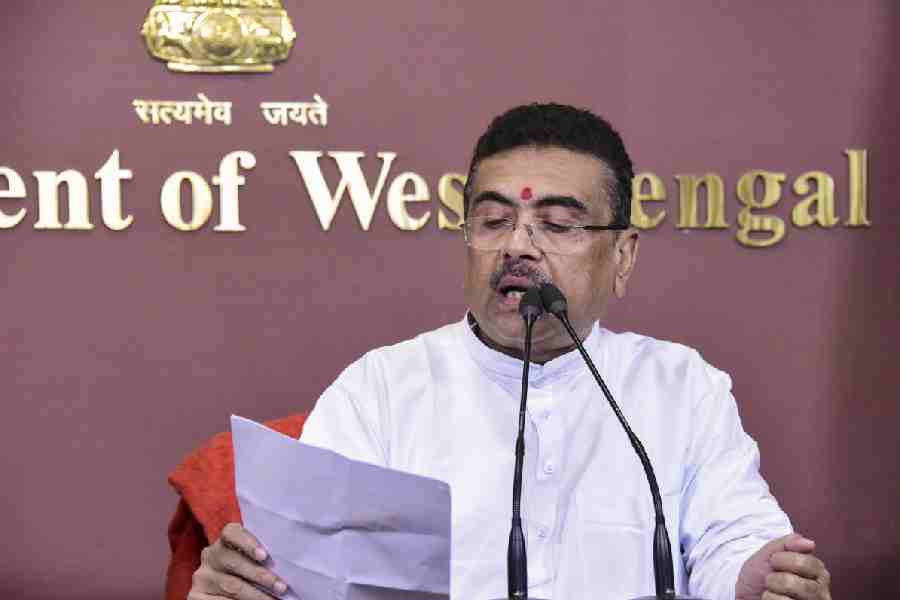
Some people in the Bengal government are thinking of new ways to get land for factories and companies.
Buying land directly from many farmers and families can be very difficult and can make people upset.
So the government is looking at something called land pooling.
In land pooling, many people who own small pieces of land put their land together.
After the land is developed, they get back a share of the developed land or other rewards.
The government also wants to build more industrial parks, where companies can get ready-made plots and shared infrastructure.
A big example of land pooling happened in Andhra Pradesh, where thousands of farmers gave their land for a new city called Amaravati.
The state is also thinking about changing some land laws so big companies can hold the land they need.
The government wants to bring new industries to the state without causing the kind of land fights that happened before in Singur and Nandigram.

The Bengal government is exploring land pooling and new industrial parks to provide large land parcels for industry without direct acquisition.
Subrata Gupta, adviser to chief minister Suvendu Adhikari, said land pooling is one option being evaluated for land aggregation, alongside a greater push for industrial parks.
Under land pooling, fragmented private parcels are brought together and landowners receive developed plots or other benefits in return.
Andhra Pradesh's Amaravati development is cited as a major example, with about 33,000 acres pooled from about 29,000 farmers.
The state is also examining land-law reforms, including rules on holding and utilisation, and land belonging to closed industrial units.
- Who
- The Bengal government, led by chief minister Suvendu Adhikari, with adviser Subrata Gupta overseeing the land policy review.
- What
- Exploring land pooling, new industrial parks, and land-law reforms to make large land parcels available for industry without direct acquisition.
- Where
- West Bengal, India.
- When
- Not specified in the articles.
- Why
- To attract industrial investment while avoiding the politically sensitive issue of direct land acquisition, following the Singur and Nandigram agitations.
Key facts
- Government
- BJP government in Bengal
- Chief Minister
- Suvendu Adhikari
- Adviser
- Subrata Gupta, former IAS officer
- Land pooling example
- Andhra Pradesh: about 33,000 acres pooled from about 29,000 farmers for Amaravati
- States with similar schemes
- Gujarat, Maharashtra, Punjab, Kerala
- Urban land ceiling view
- Repeal of the Urban Land (Ceiling and Regulation) Act would not be a 'silver bullet'; industries do not fall under the urban land ceiling
- Policy brief
- Indian Institute for Human Settlements describes land pooling as an alternative to conventional land acquisition
- Reported by
- PTI
Quotes
Subrata Gupta
Adviser to West Bengal Chief Minister Suvendu Adhikari
“"Land pooling is one of the options that the state is evaluating for land aggregation, apart from giving greater impetus to industrial parks"”
 telegraphindia.com
“"Industries do not fall under the urban land ceiling. What we need is reform of land laws which are stringent on holding and utilisation"”
telegraphindia.com
Sources
Related news
Bengal mulls modified land pooling, private shares for landowners
Bengal Plans Separate Land and Industry Policies to Attract Investment
Bengal Plans Land Ceiling Relaxation to Attract Industrial Investment

West Bengal's industrial push needs smarter land policy

Bengal Industrial Policy May Give Landowners Stakes in New Units
Lahiri Urges Limited Farm Land Conversion to Revive Bengal Industry

Ayodhya Temple CEO Appointment Faces Opposition Donation Allegations

Telangana BJP Alleges Congress, BRS Avoid Hyderabad Liberation Day
Haryana sanitation workers’ strike puts BJP government under pressure

Rival NC-BJP Protests Roil J&K as Police Halt Marches
Shivakumar Calls BJP Padayatra Cover-Up for Internal Crisis