1 week ago
Trial Offers Some Rectal Cancer Patients Surgery-Free Treatment Option
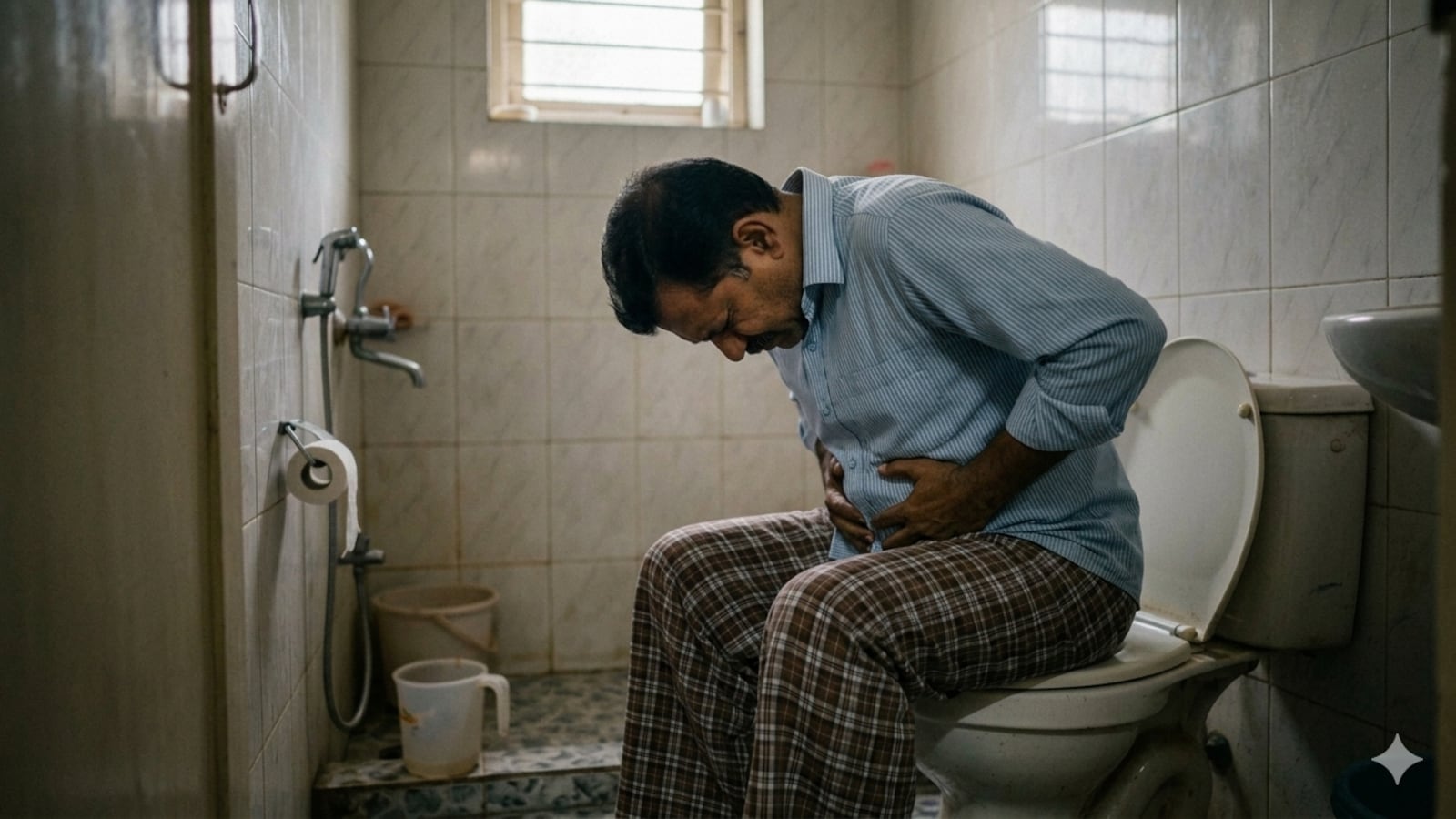
Doctors tested a new way to treat some rectal cancers without immediately removing the rectum.
The treatment used chemotherapy and radiotherapy to shrink or eliminate the tumour.
In the STAR-TREC trial, some patients received chemoradiotherapy for five weeks.
Others received radiotherapy for five days.
After treatment, doctors checked whether the cancer had responded well enough.
About four out of five patients in the chemoradiotherapy group avoided major surgery after one year.
Short-course radiotherapy helped fewer patients avoid surgery.
Surgery may still be needed if the cancer remains or returns, so patients require careful long-term monitoring.

The STAR-TREC trial tested organ-preserving treatments for selected early- and intermediate-stage rectal cancer patients.
After 12 months, 78.5% of patients receiving chemoradiotherapy had surgery-free survival.
Surgery-free survival was 60.6% among patients receiving five-day short-course radiotherapy.
More than 500 patients participated across England, the Netherlands, Denmark, Belgium and Sweden.
Patients whose tumours do not respond sufficiently may still need a smaller operation or radical rectal surgery.
- Who
- More than 500 patients with selected early- or intermediate-stage rectal cancer, treated by teams participating in the STAR-TREC trial.
- What
- The trial tested whether chemoradiotherapy or short-course radiotherapy could preserve the rectum and avoid major surgery.
- Where
- Across England, the Netherlands, Denmark, Belgium and Sweden.
- When
- The reported outcome was assessed after 12 months.
- Why
- To control rectal cancer while reducing the long-term bowel, sexual and urinary problems associated with major rectal surgery and possible permanent colostomy.
Organ-preservation approach
Surgery-and-monitoring caution
Avoiding major surgery
Organ-preservation approach
For appropriately selected patients, chemoradiotherapy may preserve the rectum and reduce exposure to long-term bowel, sexual and urinary complications or a permanent colostomy.
Surgery-and-monitoring caution
Rectal removal remains necessary for patients whose tumours do not respond sufficiently, and the treatment is not suitable for everyone.
Treatment effectiveness
Organ-preservation approach
The trial reported 78.5% surgery-free survival after 12 months with chemoradiotherapy, compared with 60.6% after short-course radiotherapy.
Surgery-and-monitoring caution
Avoiding surgery depends on the tumour shrinking or disappearing, and apparent success requires continued checks because cancer can return.
Role of surgery
Organ-preservation approach
A smaller operation may remove limited remaining cancer while preserving the rectum.
Surgery-and-monitoring caution
Radical surgery remains an available treatment when organ-preserving therapy is inadequate or the cancer returns.
Key facts
- Trial
- STAR-TREC
- Participants
- More than 500 patients
- Chemoradiotherapy result
- 78.5% surgery-free survival after 12 months
- Short-course radiotherapy result
- 60.6% surgery-free survival after 12 months
- Chemoradiotherapy schedule
- Five weeks
- Radiotherapy schedule
- Five days
- Further treatment
- Patients with insufficient tumour response could undergo less invasive treatment or radical surgery
Sources
Related news

Image-Guided Brachytherapy Targets Tumors While Protecting Healthy Tissue

Why Women Need Specialised Cancer Care, Not One-Size-Fits-All

Radiation Therapy Advances Precision Cancer Treatment and Symptom Relief

Medicover Introduces Image-Guided Procedure for Breast Cancer Treatment

FDA Approves Rasonque for Advanced Pancreatic Cancer Treatment

India’s Smart Cancer Drug RK-251 Targets Tumor Cells

Denmark Sends Conscripts to Greenland as Arctic Tensions Rise
Denmark Delegation Discusses Future Power Grid Development in Amaravati

India and Denmark Deepen MSME Innovation, IP Cooperation

UK Student Dependent Ban Reshapes Family Study-Abroad Choices

Denmark Tops Global Women’s Peace and Security Index