2 hrs ago
Australia Tightens Student Visa Rules to Reduce Migration
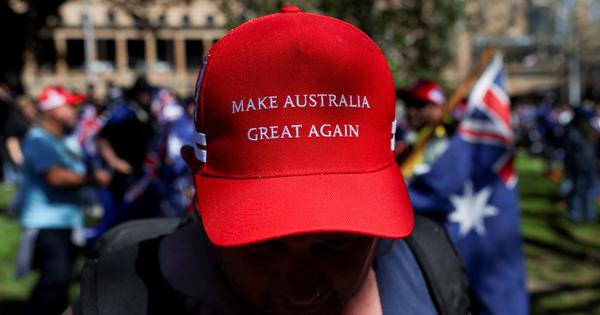
Australia is changing the rules for people who come there to study from other countries.
Most students will not be able to bring their families, although some groups will be exempt.
Students who want to keep studying must usually move to a higher-level course.
This is meant to stop people from repeatedly starting new courses just to stay longer.
The government says it wants migration to be more orderly and lower overall.
The number of students and their family members has grown quickly since the pandemic.
Universities say the changes may make it harder for research students and could hurt education providers.
Australia is also responding to similar restrictions introduced by Canada and the United Kingdom.

Most international students will generally need to come to Australia without family members, with exceptions for some Pacific and ASEAN nationals and PhD students.
Students seeking to extend their stay must show they are progressing to a higher-level course, targeting repeated course changes known as “visa hopping.”
The measures support the government’s goal of reducing net overseas migration from about 290,000 to 225,000 in 2027–28.
Graduate visa holders increased from 70,000 in June 2019 to 199,000 in June 2026, while secondary visa holders rose from about 92,000 to 142,000.
Universities Australia warned the changes could affect research students and the wider education sector, which contributes A$54.7 billion annually.
- Who
- The Australian government, international students, their family members, and education providers are affected.
- What
- Australia announced tighter family-visa rules for international students and new limits on extending student stays through repeated course changes.
- Where
- Australia, with similar policy changes noted in Canada and the United Kingdom.
- When
- The measures were announced on Thursday; the article also compares visa and population data from June 2019 and June 2026.
- Why
- The government says the changes will help reduce net overseas migration, prevent visa hopping, and ensure student visa holders eventually leave or progress appropriately.
Government and migration-control case
Education-sector and broader-planning concerns
Reducing migration
Government and migration-control case
The government says tighter student and family rules are part of an orderly and fair effort to lower net overseas migration.
Education-sector and broader-planning concerns
Universities Australia warns the changes are worrying and could reduce the attractiveness of Australia for international students.
Family members of students
Government and migration-control case
Most international students will generally need to come alone, limiting the number of additional temporary visa holders.
Education-sector and broader-planning concerns
Universities Australia says family members are often important for students undertaking research degrees lasting three or four years.
Scale and purpose of the program
Government and migration-control case
The government is using visa rules, refusal decisions, and course-progression requirements to reduce student numbers and prevent visa hopping.
Education-sector and broader-planning concerns
The article argues that policymakers need a clearer plan for which skills to prioritize and how education, migration, and workforce planning should fit together; One Nation supports a much larger cut to student numbers.
Key facts
- Net migration target
- The government aims to reduce net overseas migration from about 290,000 to 225,000 in 2027–28.
- Family visa grants
- More than 45,000 visas were granted to international students’ family members last year.
- Graduate visa holders
- The number rose from 70,000 in June 2019 to 199,000 in June 2026.
- Secondary visa holders
- Student and graduate secondary visa holders increased from about 92,000 in June 2019 to about 142,000 in the latest available data.
- International education value
- The sector contributes A$54.7 billion annually, including A$24.3 billion from student fees.
- Student visa refusals
- The article says student visa refusal rates have risen significantly over the past six months and are currently the highest ever.
Sources
Related news
Australia Tightens Visa Rules for Students and Backpackers
Australia Moves to Bar Student Families in Migration Overhaul
Australia Tightens Student Visa Rules Without Closing Study Route
Australia Moves to Restrict Family Visas for International Students

Australia tightens visa rules for students, visitors and workers

Australia Plans Ban on Student Dependants Amid Immigration Tightening

White House Asks OpenAI, Anthropic to Hold UK Tests

India's AI Optimism May Mask Job Losses and Uncertainty

Breetzke Century Powers South Africa Past Australia in ODI Opener

Breetzke Matches Sidhu Record With Three Fifties Against Australia