4 days ago
Why Financial Intelligence Alone Doesn’t Guarantee Financial Security

Morgan Housel’s book explains that being good with money is not just about knowing complicated math.
People also need habits that help them save and avoid panic.
Someone who earns a lot can still spend too much and feel insecure.
Someone who earns less may be safer if they save regularly.
Expensive things can make people look rich without showing how much money they have left.
Saving and investing for a long time can help money grow through compounding.
Plans should also include extra money for surprises, such as losing income or facing higher costs.
The biggest benefit of saving may be having more choices about how to use your time.

Morgan Housel’s 2020 book argues that money behavior matters alongside financial knowledge.
Consistent saving and emotional discipline can be more valuable than understanding complex financial terms.
Visible spending, such as expensive cars and holidays, does not reveal someone’s financial strength.
Compounding rewards patience, while frequent investment changes can weaken long-term growth.
Emergency savings and financial flexibility help people manage income losses, rising expenses and disappointing investments.
- Who
- Morgan Housel and readers seeking to improve their financial decisions.
- What
- The Psychology of Money presents five lessons about behavior, saving, investing, resilience and financial independence.
- Where
- The lessons apply to everyday spending decisions, investing and retirement planning.
- When
- The book was released in September 2020.
- Why
- Because financial outcomes are influenced by habits, emotions, patience and preparation, not financial intelligence alone.
Key facts
- Author
- Morgan Housel
- Book
- The Psychology of Money
- Release date
- September 2020
- Core argument
- Behavior shapes financial decisions alongside financial knowledge.
- Compounding
- Returns can earn further returns over long periods.
- Financial resilience
- Emergency savings can reduce the need to sell investments during difficult periods.
Sources
Related news

Five signs your everyday habits are building financial wealth
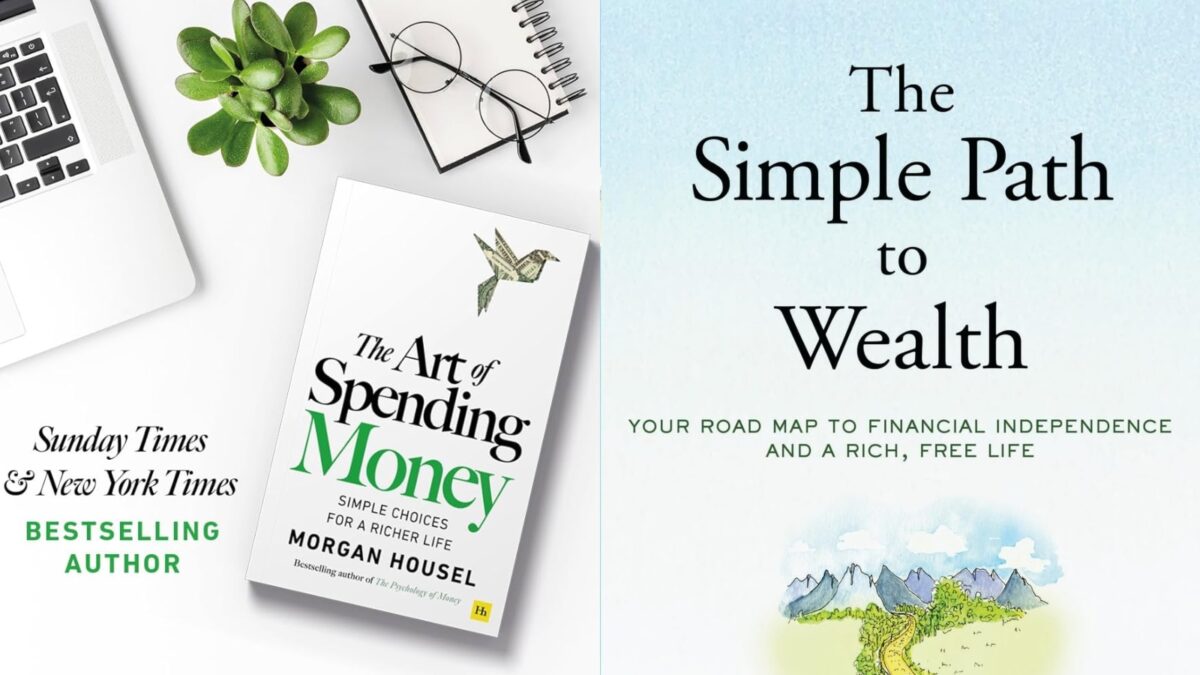
Five Essential Books Recommended for Building Long-Term Wealth

Repeated Financial Habits Can Quietly Erode Household Wealth

Early Savings Build Wealth Before Compounding Takes Over

Five Simple Investing Lessons From The Intelligent Investor

The Five Hidden Financial Costs of Looking Rich

Eight Popular Audiobooks Highlighted Ahead of National Book Lovers Day