12 hrs ago
Khadi’s Journey From Freedom Symbol to Contemporary Fashion

Khadi is a handmade fabric with an important history in India.
During the freedom movement, it helped people show support for self-reliance.
Mahatma Gandhi called it the “livery of freedom.”
Wearing khadi also meant rejecting imported cloth.
It supported people who made cloth locally.
After India became independent, khadi was often linked to simple and austere clothing.
It became associated with politicians, activists, and government shops.
For many years, khadi seemed more connected to history than to modern fashion.

Khadi has historically represented more than a type of fabric in India.
During the freedom movement, it symbolized self-reliance and local production.
Mahatma Gandhi called khadi the “livery of freedom.”
Wearing khadi expressed rejection of imported cloth and support for domestic producers.
After Independence, khadi became associated with austerity and appeared less connected to contemporary wardrobes.
- Who
- Mahatma Gandhi and people involved in India’s freedom movement are mentioned.
- What
- The article discusses khadi’s transformation from a freedom symbol to a fabric associated with austerity and contemporary fashion.
- Where
- India.
- When
- During India’s freedom movement and in the decades after Independence.
- Why
- Khadi was worn to support self-reliance, reject imported cloth, and encourage local production.
Key facts
- Material
- Khadi
- Historical role
- A symbol of self-reliance during India’s freedom movement
- Gandhi’s description
- The “livery of freedom”
- Political meaning
- Wearing khadi rejected imported cloth
- Economic meaning
- It supported local production
- Post-Independence association
- Austerity, politicians’ kurtas, activists’ saris, and government emporiums
Sources
Related news
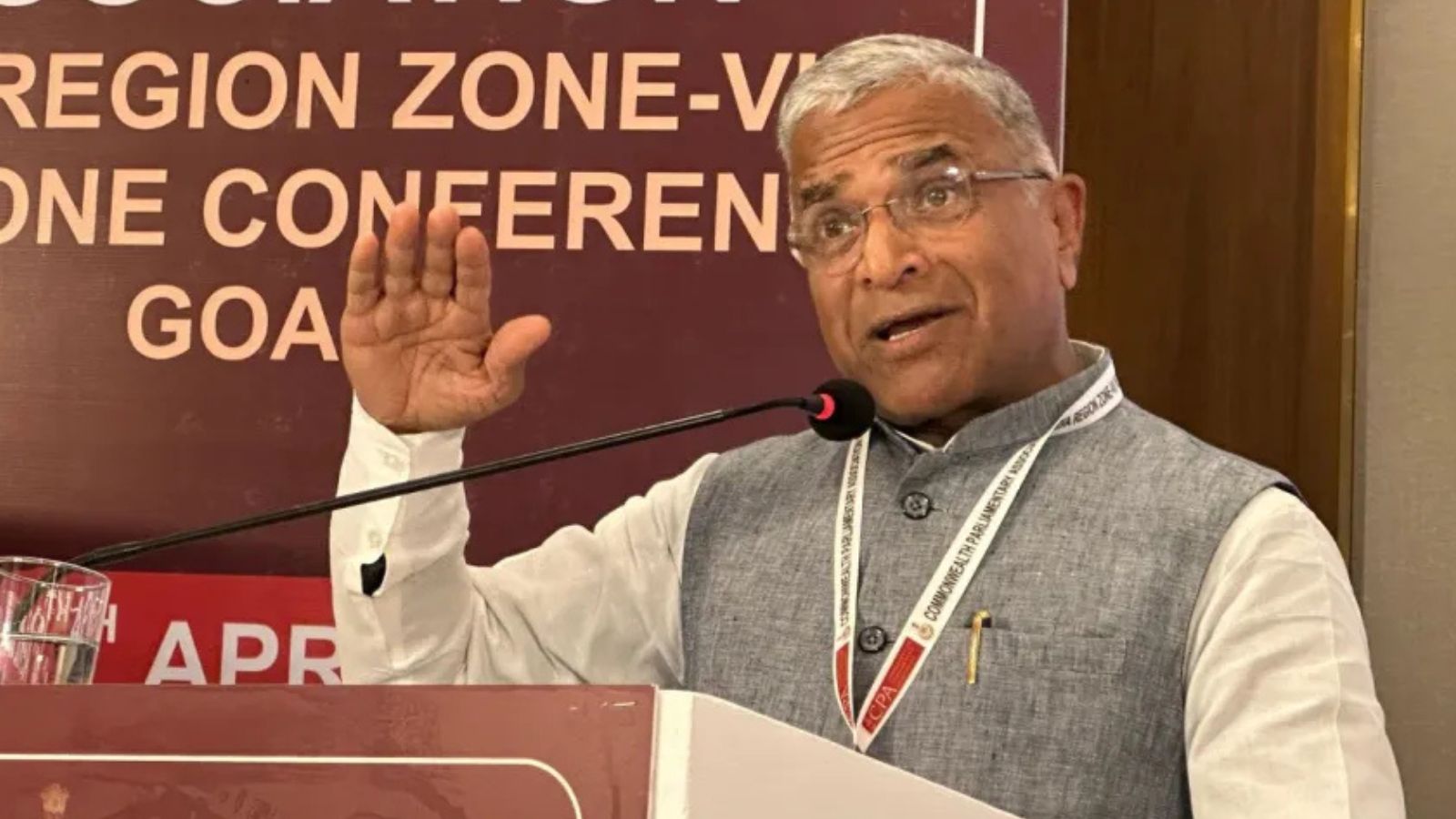
Khadi Sales Surge 501% as Modi-Era Revival Gains Praise
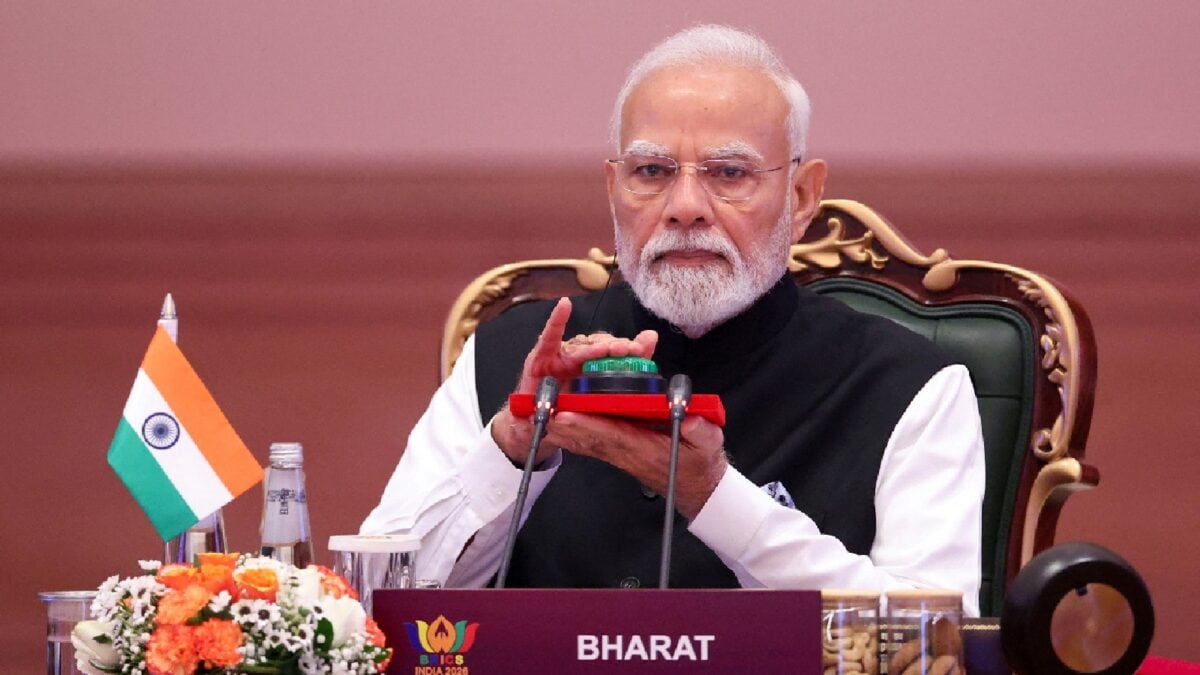
Narendra Modi’s Signature Vests Highlight Politics, Sustainability And Style

BJP to host Khadi Mela in Vijayawada on Gandhi Jayanti

How Modi’s Signature Jacket Became A Symbol Of Indian Style

Sobhita Dhulipala Brings Handloom Into The Modern Wardrobe

Madhya Pradesh Leaders Invoke Gandhi, Shastri in Competing Visions

Foreign Pilgrims Perform Ancestor Rituals in Gaya Ji

Sammy Says Proposed Pay Cuts Hurt West Indies Morale
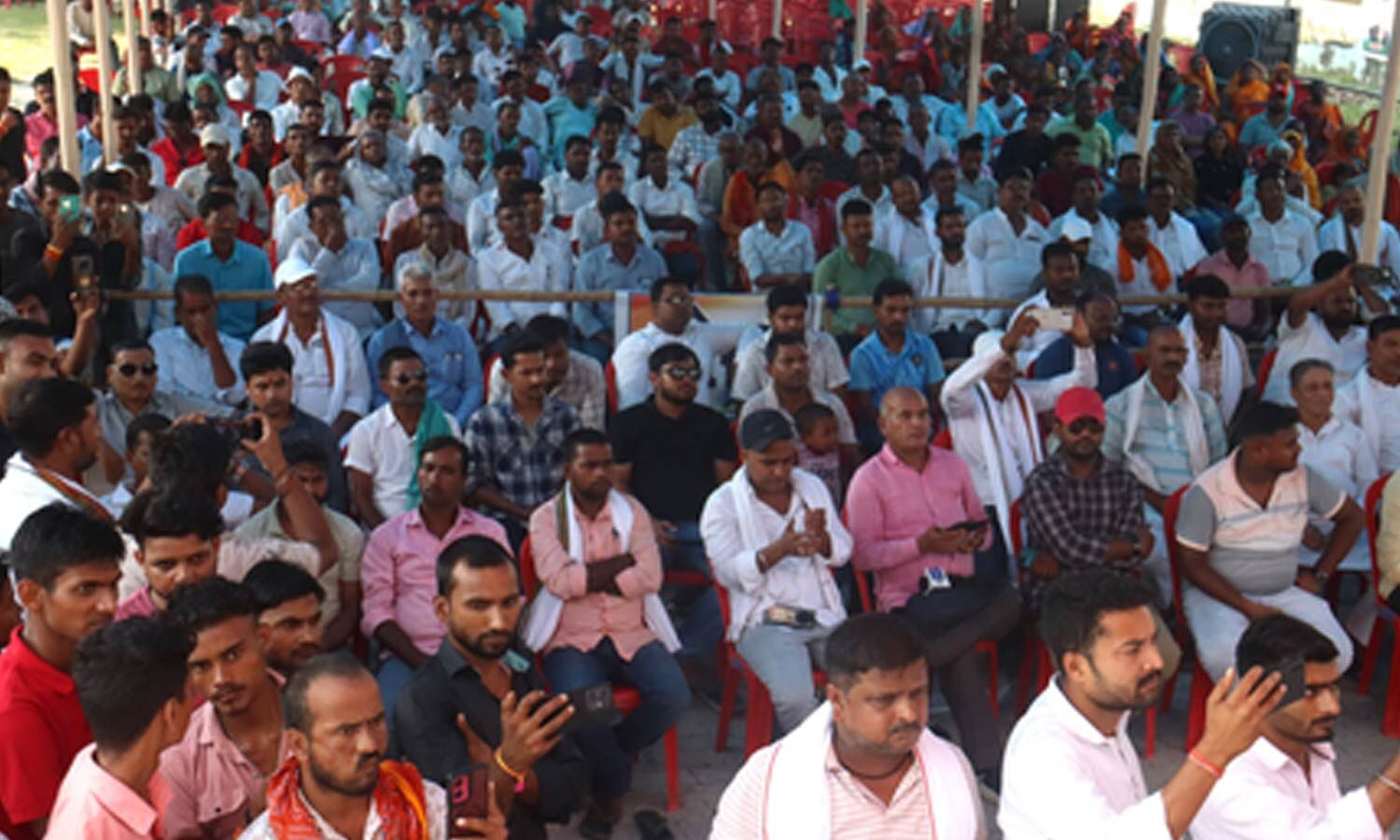
Bihar Gandhi Jayanti March Demands Election Chief Gyanesh Kumar’s Resignation

India's CSR Spending Grows, but Poorer States Remain Underserved

Rain Threat Puts India-Pakistan Asian Games Final At Risk