

2 hrs ago
Doctor Warns Against Sleeping Pills as Quick Insomnia Fix
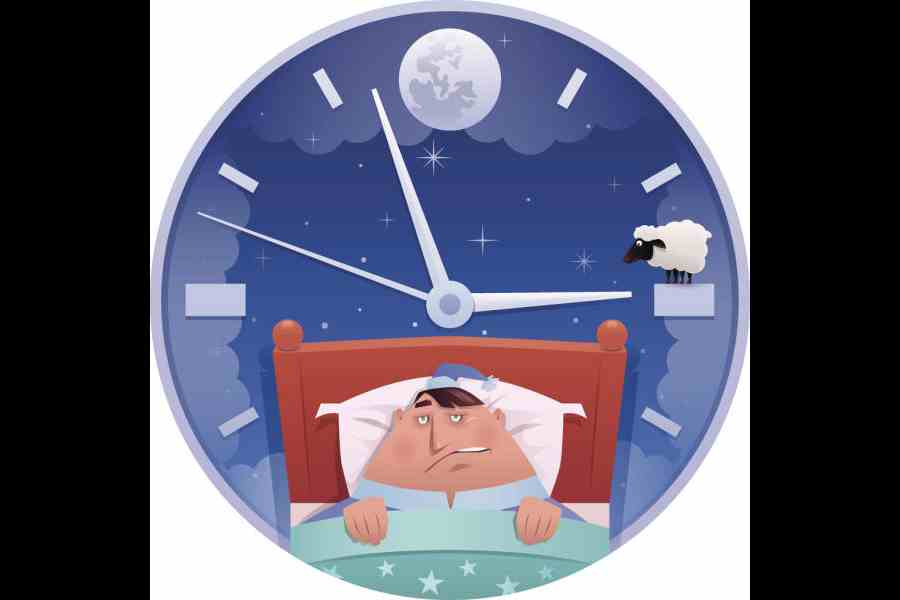
Insomnia means having trouble getting enough good sleep.
Some people cannot fall asleep, while others wake up too early or many times during the night.
Sleep helps the body repair itself and restore important chemicals and hormones.
Most adults usually need about seven to nine hours of sleep, although needs differ.
Going to bed and waking up at similar times can help the body develop a routine.
A quiet, dark room and less caffeine and screen time may also help.
Waking often to urinate or stopping breathing during sleep can be signs of a health problem.
A doctor should assess these problems instead of someone simply taking sleeping pills.
Sleeping tablets may become habit-forming or addictive.

Insomnia can involve difficulty falling asleep, early waking, or fragmented sleep.
Sleep needs vary by age, with most adults generally needing seven to nine hours.
Regular sleep schedules, a dark bedroom, reduced caffeine, and less screen use may improve sleep.
Repeated nighttime urination and fragmented sleep may signal conditions requiring medical evaluation.
Sleeping pills can be habit-forming and addictive, so insomnia should not be treated with a one-size-fits-all approach.
- Who
- People experiencing insomnia, with advice from Dr Gita Mathai.
- What
- The article explains different forms of insomnia, healthy sleep habits, possible medical causes, and the risks of sleeping tablets.
- Where
- The guidance is presented by Dr Gita Mathai, who has a family practice at Vellore.
- When
- The advice applies when a person has trouble falling asleep, wakes repeatedly, or experiences ongoing sleep problems.
- Why
- To encourage safer approaches to insomnia and proper evaluation of underlying conditions rather than relying on sleeping pills.
Key facts
- Adult sleep guideline
- Most adults need about 7-9 hours of sleep.
- Children’s sleep
- Babies generally require 16-18 hours daily; school-going children need about 9-12 hours.
- Teenagers’ sleep
- Teenagers generally require about 8-10 hours of sleep.
- Caffeine timing
- The article recommends having the last tea or coffee at least 6-8 hours before bedtime.
- Screen timing
- Television, mobile phones, and other electronic devices should ideally be switched off two hours before sleep.
- Possible sleep-apnoea treatment
- Some people diagnosed with obstructive sleep apnoea may require a CPAP machine.
- Sleeping-tablet risk
- Sleeping tablets may be habit-forming and addictive.
Quotes
Patients with insomnia
Patients quoted by Dr Gita Mathai when describing requests for insomnia treatment
“I cannot sleep. Give me some sleeping tablets.”
 telegraphindia.com
Sources
Related news

Could Strength Training Help You Sleep Better at Night?
Experts Say Eight Hours May Not Suit Every Adult

Simple Ways to Cut Screen Time Before Bed

Gurumaa Yogita Khatri Explains Why Quality Sleep Matters

Sleep Apnoea May Strain the Heart: Warning Signs and Care

Police Arrest Interstate Burglary Gang, Recover ₹90 Lakh Valuables

Tamil Nadu to Establish Seven Nursing Colleges, Add 660 Seats

Vellore Church Collapse Leads India’s September 11 News Updates

One Dead, Ten Rescued After Vellore Church Building Collapse
