17 hrs ago
Delhi’s Footpaths Show Why Walkability Matters
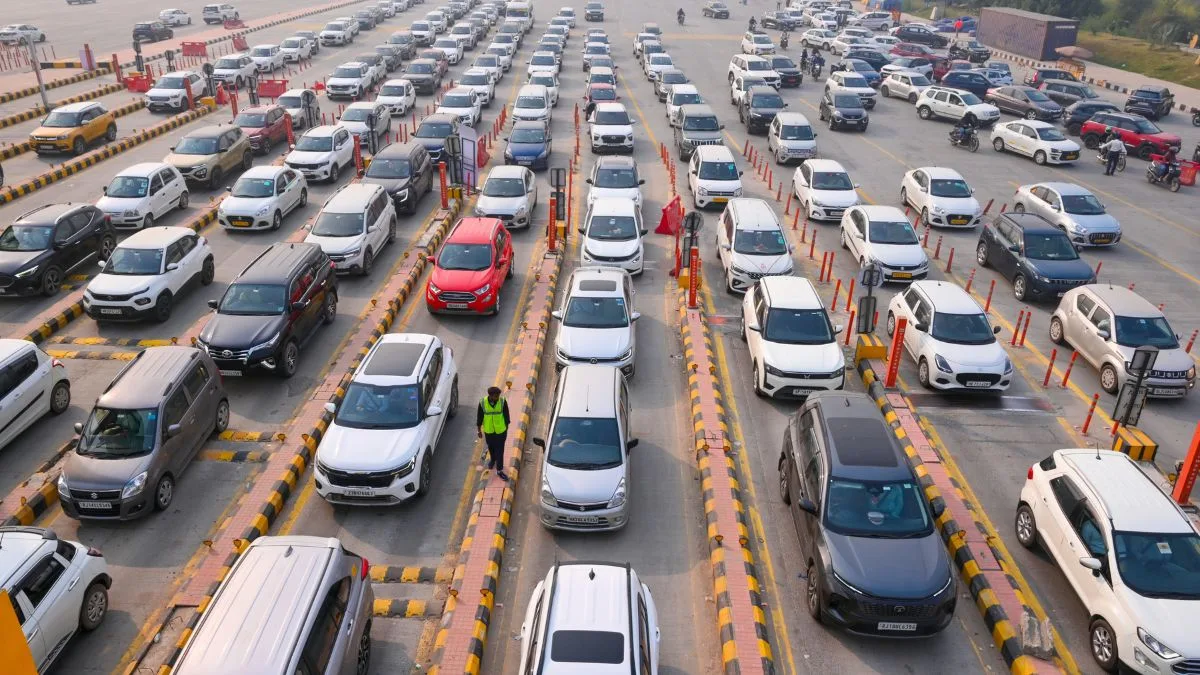
Walking should be one of the easiest ways to get around a city.
But in many parts of Delhi, footpaths are blocked, broken, or missing.
People may have to walk close to moving cars and other vehicles.
The article says a trip includes the walk to and from buses, trains, and metro stations.
Smooth paths and safe crossings can help everyone, including children, older people, and wheelchair users.
Clear designs can also show drivers where vehicles belong and pedestrians where to walk.
The writer says cities should improve small everyday details, not only build bigger roads.
A good city should make it comfortable for people to walk.

Delhi footpaths are often obstructed, broken, or interrupted, forcing pedestrians into traffic.
The article argues that walking should be planned as part of the full public-transport journey, including access to stations.
Continuous paths, accessible crossings, gentler kerbs, and clear boundaries can make walking safer and easier.
The writer says infrastructure design can guide behaviour, alongside rules and enforcement.
Better pedestrian access benefits people of different ages and abilities and supports health, accessibility, and the environment.
- Who
- Pedestrians in Delhi, including children, older people, and people with limited mobility.
- What
- An argument for safer, continuous, accessible footpaths and better pedestrian connections to public transport.
- Where
- Delhi, with comparisons to pedestrian design in some European streets.
- When
- No specific date is stated.
- Why
- The writer argues that walkability affects safety, access to public transport, public health, the environment, and how inclusive a city is.
Prioritize walkability
Vehicle-focused development
How to measure urban progress
Prioritize walkability
The article urges cities to assess development by whether people can walk safely and comfortably.
Vehicle-focused development
The article describes a common focus on bigger roads, faster cars, flyovers, and transport systems, while arguing these should not be the only measures.
How to improve transport
Prioritize walkability
The writer argues that proper footpaths and crossings can solve some problems without adding lanes or building more flyovers.
Vehicle-focused development
Roads, flyovers, and modern transport systems remain important, but the writer says they should work as part of a coherent system that also serves pedestrians.
Key facts
- Main focus
- Pedestrian infrastructure and walkability
- Challenges described
- Footpaths used for parking, vending, construction, and utility equipment; broken or missing sections
- Transport connection
- Walking is presented as part of the first and last portions of a public-transport journey.
- Design features discussed
- Continuous pavements, safe crossings, gentler level changes, shade, and accessibility
- People considered
- Children, older people, wheelchair users, people with strollers, and people carrying luggage
- Writer's broader point
- Urban development should be judged by how comfortably it moves people, not only vehicles.
Sources
Related news
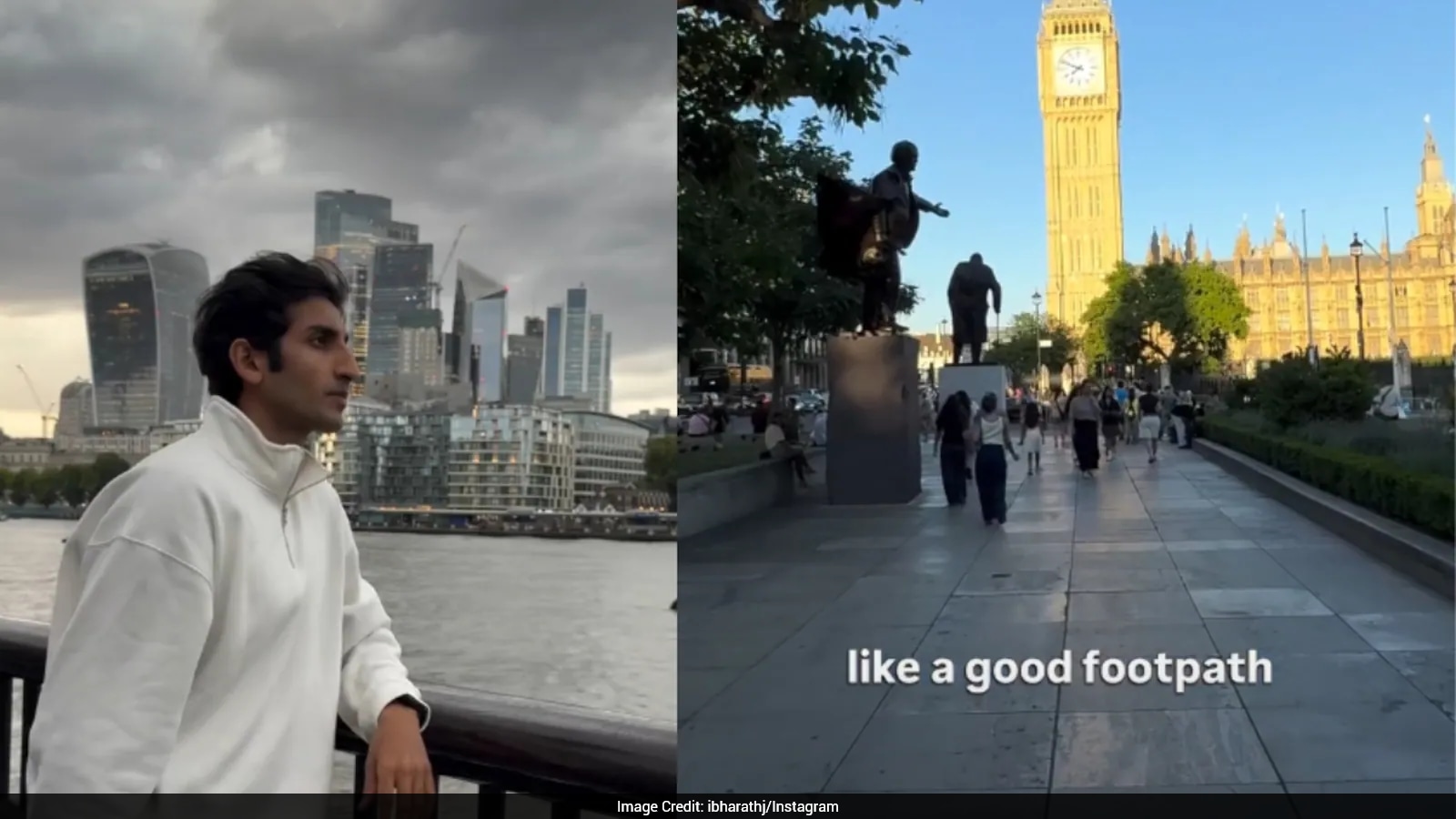
Bengaluru Man Says Walks Abroad Showed Footpaths’ Value

Soha Ali Khan’s Mumbai Walk Exposes Pedestrian Infrastructure Obstacles
Mumbai to widen footpaths on 30 eastern suburban roads
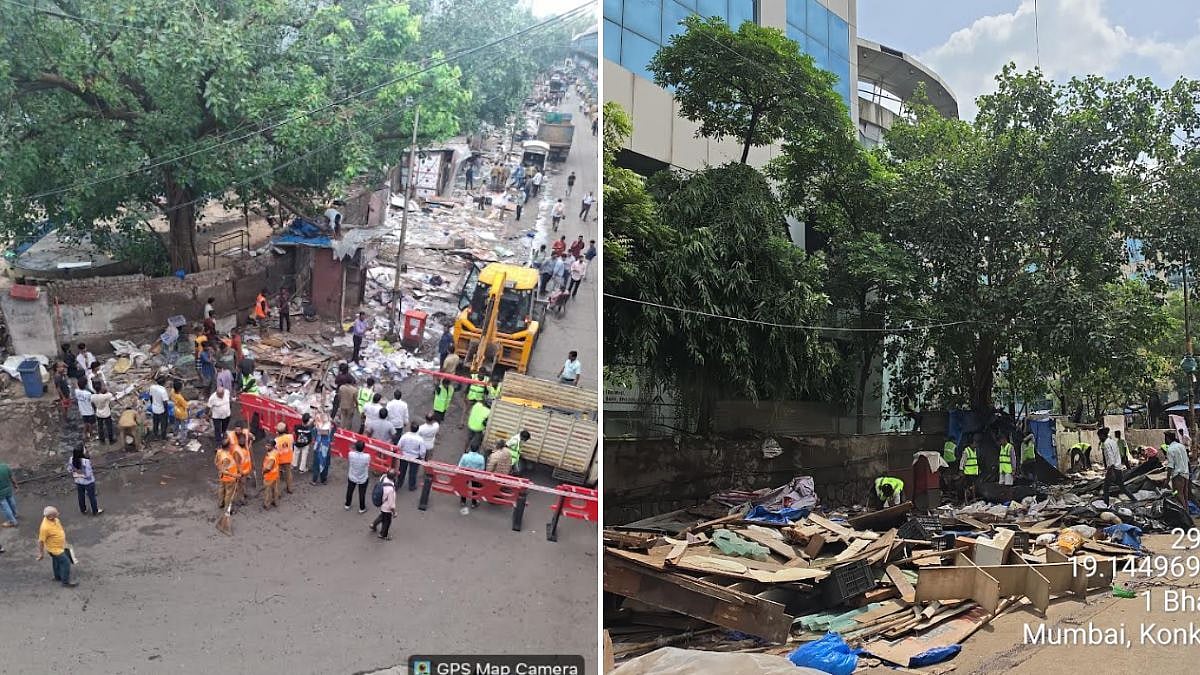
BMC’s Pedestrian First Campaign Clears Mumbai Footpath Obstructions

Supreme Court Seeks Five Cities for Footpath Pilot Project
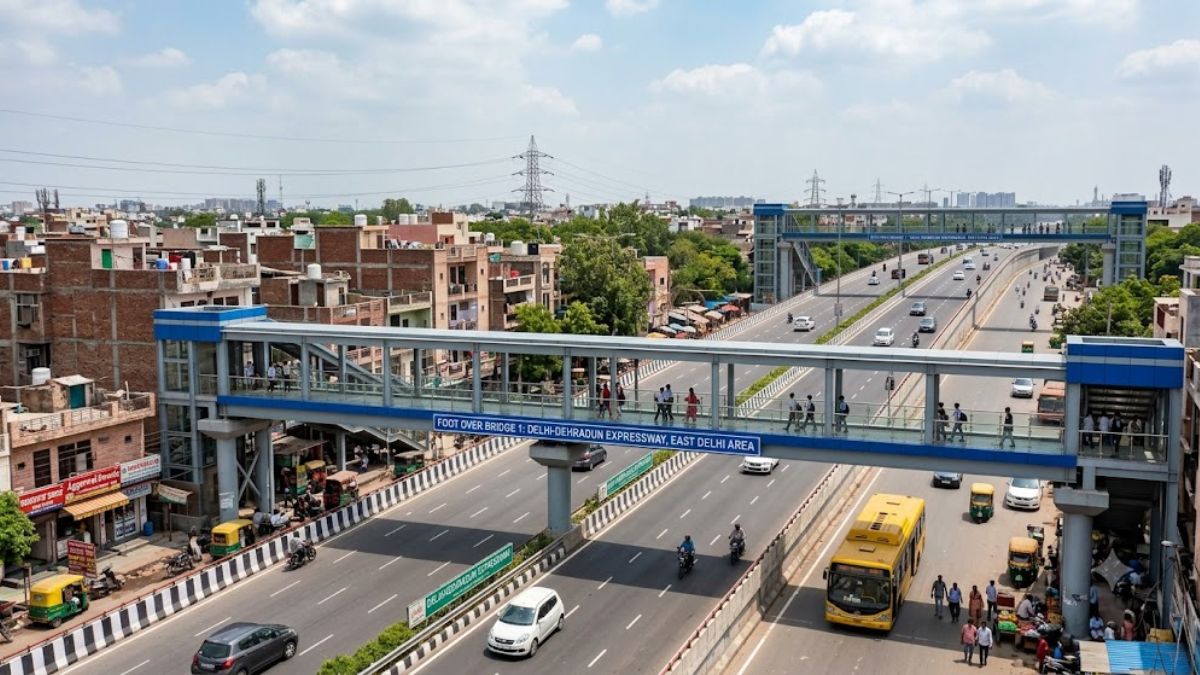
East Delhi Expressway Gets Three New Foot Over Bridges

Delhi Police Advises Journalists to Display IDs at Protests

Delhi High Court Says Police Could Not Remain Silent Spectators

Man Arrested After Doctor Receives Gang-Linked Extortion Threat

Sam Koshy Named Acting Telangana High Court Chief Justice
Scorpion Tattoo Helps Guide Search for Retired Officer’s Suspected Killer