

1 day ago
Festive Delivery Expansion Faces a Capacity Mismatch in India

During the festive season, many people order gifts and other products at the last minute.
In 2026, more companies, delivery workers and warehouses will be available to move these orders.
However, having more delivery partners does not guarantee that parcels can arrive on time.
Products may be stored in the wrong warehouse, or a local area may not have enough riders.
Delivery networks can also become crowded when many orders arrive together.
D2C brands need to plan inventory and workers for small local areas instead of only planning for whole cities or states.
Faster delivery can also cost more, especially when orders are spread across distant places.
Brands must therefore promise fast delivery only where they can do it reliably and profitably.

India Post, ONDC, Ekart and other networks are adding delivery capacity before the 2026 festive season.
ONDC has more than 70 logistics providers and 50,000 riders serving over 150 cities.
Ekart opened its logistics network to D2C brands, beginning with more than 300 franchise outlets and over 1 million square feet of warehousing.
Temporary hiring is expected to rise 15%-20%, but Adecco estimates a 10%-15% demand-supply gap in peak frontline roles.
The main challenge is matching inventory, warehouse throughput, pickups and riders to demand in specific local catchments.
- Who
- D2C brands, logistics companies, ecommerce platforms, delivery workers and customers are involved.
- What
- Logistics networks are expanding ahead of the 2026 festive season, but brands may still lack usable capacity in the locations where orders surge.
- Where
- The issue spans India, including metropolitan areas, Tier 2 and Tier 3 cities, and smaller local postal-code catchments.
- When
- Preparations typically begin around June or July; India Post booked its first ONDC order on January 13, and Flipkart widened Ekart access on July 28.
- Why
- Festive demand is becoming faster and more geographically dispersed, making it necessary to align inventory, fulfilment, pickups and riders at precise locations and times.
Capacity Expansion
Usable Capacity Constraints
More delivery infrastructure
Capacity Expansion
India Post, ONDC, Ekart and established logistics providers are adding networks, outlets, warehouses, riders and external-business access.
Usable Capacity Constraints
Capacity may not be available where it is needed, and networks built around marketplace operations may prioritize internal volumes during festive peaks.
Seasonal hiring
Capacity Expansion
Temporary hiring and localized gig-worker deployment can add delivery capacity before festive demand rises.
Usable Capacity Constraints
New workers need training, and a city may have enough workers overall while still lacking riders in outer catchments or unexpectedly busy areas.
Faster delivery promises
Capacity Expansion
Speed can help brands meet customer expectations and support higher festive sales.
Usable Capacity Constraints
Additional orders may require dedicated vehicles, routes, storage or backup carriers, making delivery unprofitable and potentially harming repeat purchases.
Key facts
- ONDC logistics network
- More than 70 logistics providers and 50,000 riders serving over 150 cities.
- Ekart expansion
- More than 300 franchise outlets initially, with plans for 1,000 by the end of 2026.
- Ekart warehousing
- Over 1 million square feet of dedicated warehousing supporting the expansion.
- Seasonal hiring
- TeamLease expects temporary hiring across retail, ecommerce, quick commerce and logistics to rise 15%-20%.
- Frontline labour gap
- Adecco India estimates a 10%-15% demand-supply gap in peak frontline roles.
- 2025 order growth
- Unicommerce data showed ecommerce orders up 24%, quick-commerce orders up 120% and brand-website volumes up 33% during Diwali 2025.
- D2C preparation
- Brands commonly begin festive planning around four months before the sales period, including inventory, campaigns and logistics capacity.
Quotes
Puneet Mansukhani
Global retail head of digital and technology transformation at KPMG in India
“Carrier capacity, warehouse space, even ad budgets can be bought late. Inventory position cannot. Once demand starts, moving stock between nodes costs more than the margin on the goods being moved”
 inc42.com
“The tipping point comes when incremental festive orders start requiring incremental kilometres and dedicated delivery capacity rather than fitting into existing routes”
inc42.com
Sources
Related news

India's Festive Ecommerce 2026 Battle Shifts From Discounts To Operations

India festive temporary hiring to rise 15-20 percent: TeamLease report

India Festive Hiring Seen Rising 15-20%, Creating 2.5 Lakh Jobs

Meesho Expects One Million Seasonal Jobs Ahead of Festive Season
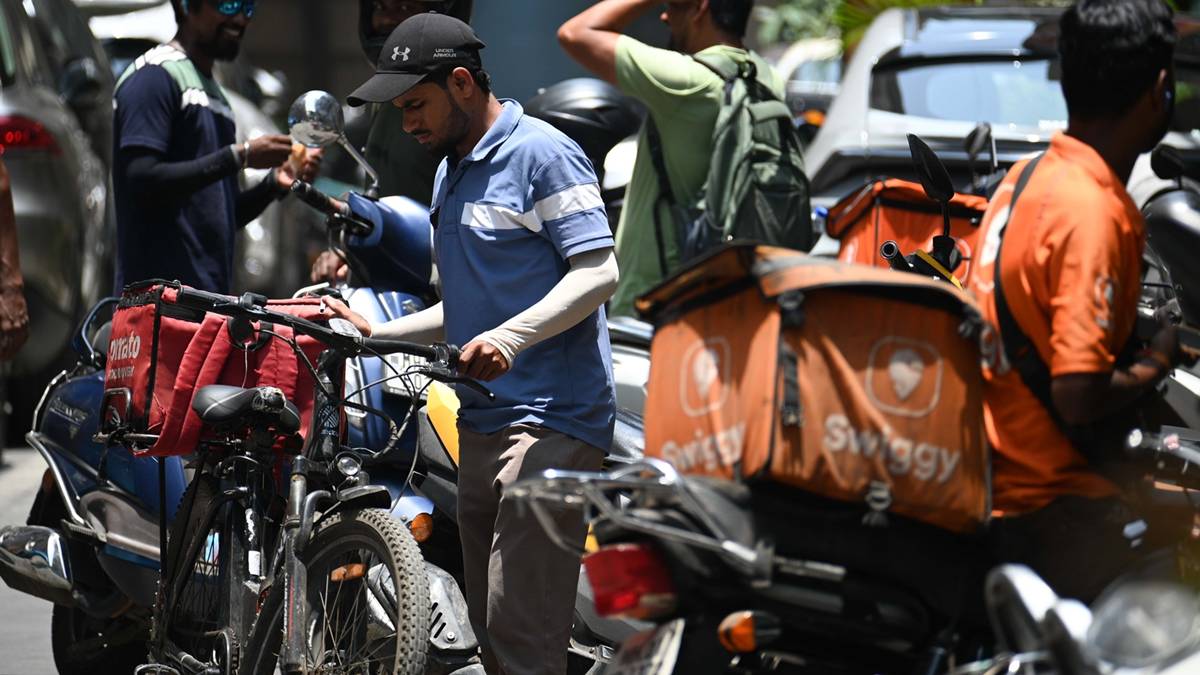
India festive hiring to rise 15-20%, 250-270k jobs: Adecco study

Kargil Opens Second Passport Seva Kendra, Easing Remote Access

India Post Payments Bank Adds Mutual Funds and Insurance Platforms
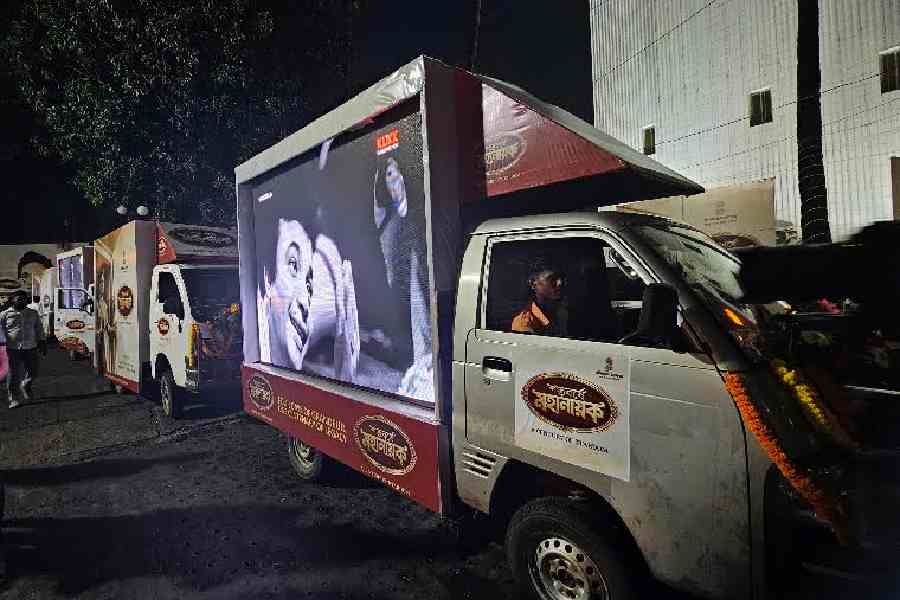
West Bengal Announces Four-Day Celebration for Uttam Kumar Centenary
India Post Opens Registration for 23,757 GDS Recruitment Posts
