2 hrs ago
Delhi High Court Grants Bail After Eight Years’ Incarceration

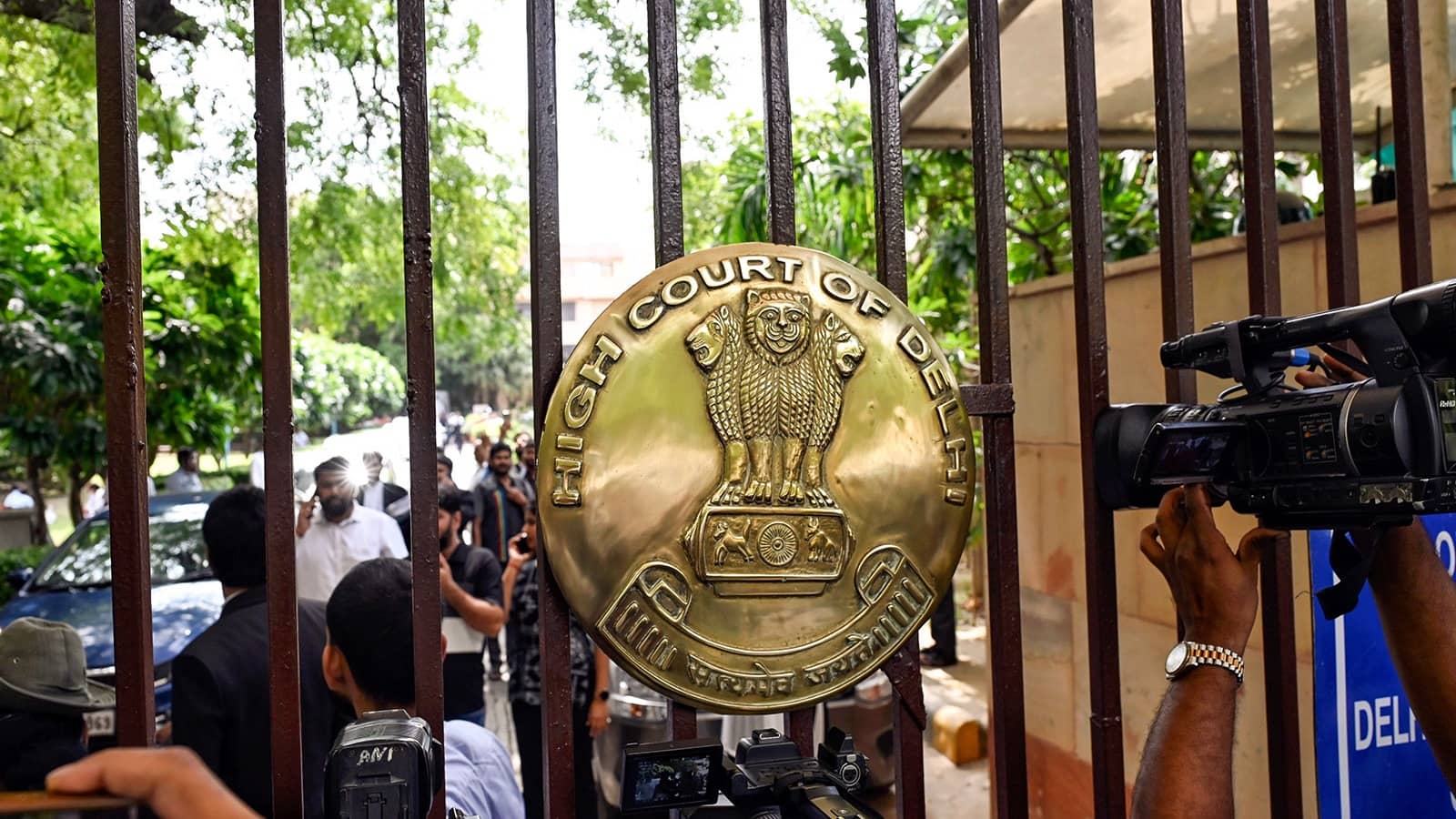
The Delhi High Court granted bail to Mohammad Saqib after he spent about eight years in jail.
He was arrested in December 2018 under several laws, including the Unlawful Activities Prevention Act.
Investigators accused him of helping a militant group and obtaining weapons.
Saqib has not been found guilty, and his trial is still continuing.
The prosecution has 120 witnesses, but only 40 have testified so far.
The court said the long time in jail was important when considering bail.
It also said the evidence heard so far did not justify keeping him in jail longer.
Saqib must stay mainly in Hapur and can travel to Delhi for court or agency requirements.
He must also report to the National Investigation Agency in Lucknow every 15 days and follow other restrictions.

The Delhi High Court granted bail to Mohammad Saqib, who had been jailed since his December 2018 arrest.
Saqib faces charges under the Unlawful Activities Prevention Act, Explosive Substances Act and Indian Penal Code.
The National Investigation Agency alleged that he belonged to Harkat-ul-Harb-e-Islam and helped arrange militant training and obtain arms.
The court noted that only 40 of the prosecution’s 120 witnesses had been examined after eight years.
Saqib must remain in Hapur, report to the agency in Lucknow every 15 days and follow strict travel and communication restrictions.
- Who
- The Delhi High Court granted bail to Mohammad Saqib; the National Investigation Agency is prosecuting the case.
- What
- Saqib was granted bail after about eight years in custody while facing charges under several laws, including the Unlawful Activities Prevention Act.
- Where
- The case is before the Delhi High Court and trial court; Saqib must remain in Hapur, Uttar Pradesh, with limited travel to Delhi and reporting in Lucknow.
- When
- He was arrested in December 2018, and the High Court granted bail on a Monday after his bail rejection on May 27, 2024.
- Why
- The court cited his long incarceration, the slow progress of the trial and the fact that the evidence heard so far did not warrant continued detention.
Court and Accused’s Position
Prosecution’s Position
Effect of Trial Delay
Court and Accused’s Position
The court was moved by Saqib’s long incarceration and found that the slow progress of the trial supported releasing him on bail.
Prosecution’s Position
The National Investigation Agency argued that bail should not be granted solely because the trial had been delayed.
Strength of Evidence
Court and Accused’s Position
The court said the witness statements heard so far were not grave enough to justify prolonging detention, and that phone material, although serious, did not require continued imprisonment.
Prosecution’s Position
The agency alleged that Saqib belonged to Harkat-ul-Harb-e-Islam, facilitated meetings with Jaish-e-Mohammed militants for training and procured arms for waging war against the government.
Key facts
- Accused
- Mohammad Saqib
- Arrest
- December 2018
- Witnesses examined
- 40 of 120 prosecution witnesses
- Prosecuting agency
- National Investigation Agency
- Earlier bail decision
- Patiala House courts rejected bail on May 27, 2024
- Residence restriction
- Saqib must remain in Hapur, Uttar Pradesh, except for approved court or agency visits
- Reporting requirement
- He must report to the National Investigation Agency office in Lucknow every 15 days
Quotes
Delhi High Court bench of Justices Navin Chawla and Ravinder Dudeja
The Delhi High Court judges who granted Saqib bail.
“We are of the opinion that the appellant has been able to make out a case for being released on bail.”
 scroll.in
“moved, particularly by the long period of incarceration”
scroll.in
Sources
Related news
Delhi High Court Grants Bail After Eight Years’ Custody
Delhi High Court Grants Bail to Two UAPA Accused

Jammu Court Rejects Insha Jan Bail in Pulwama Case
NIA Court Rejects Bail for Teacher Accused of Terror Support

Bombay High Court Grants Bail to Alleged PFI Member

Delhi Police Opposes Fresh Bail Pleas in 2020 Riots Case

Pakistan Raises Masood Azhar Bounty Ahead of Crucial FATF Review

Karachi Gunmen Kill Alleged LeT-Linked Terrorist in Daylight

Pakistan Bounty, Telecom Probe And India’s Top Evening Developments