3 days ago
Why Custom AI Chips Have Not Dethroned Nvidia Yet

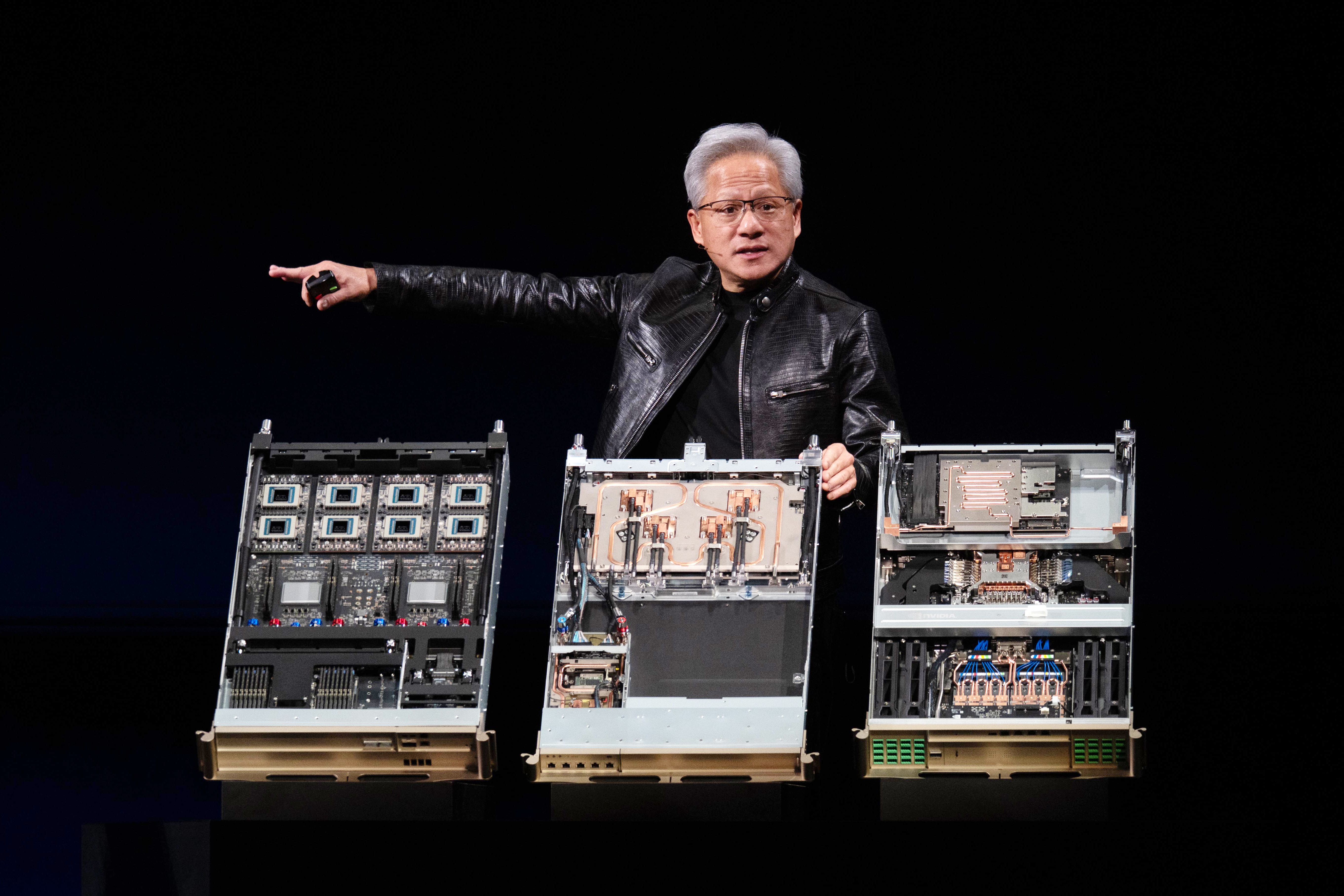
Nvidia makes many of the chips used to build artificial intelligence systems.
Some of its biggest customers, including Google, Amazon and OpenAI, are designing their own chips.
They want to rely less on Nvidia.
However, the total demand for AI computers is growing so quickly that Nvidia is still selling more chips.
Nvidia also offers software and other parts that make its chips useful and easier to deploy.
Amazon is even planning to buy two million more Nvidia GPUs while working on its own chips.
Nvidia is also expanding into central processing units, or CPUs.
Its biggest challenge may be higher costs for memory chips and supplies.
For now, custom chips have not stopped Nvidia’s growth.

Google, Amazon, Microsoft, Meta and OpenAI are developing custom AI chips to reduce reliance on Nvidia.
Nvidia’s quarterly revenue more than doubled to $96.2 billion, while adjusted earnings reached $2.22 per share.
Amazon Web Services plans to buy two million additional Nvidia GPUs over the next two years despite developing its own chips.
Nvidia’s software ecosystem, rapid innovation and expanding CPU strategy continue to support its market position.
Rising memory costs and Nvidia’s supply commitments could pressure margins, which are expected to fall to 71–72% by January.
- Who
- Nvidia and major customers including Google, Amazon, Microsoft, Meta and OpenAI.
- What
- Nvidia is facing potential competition from customers developing custom AI chips, but its sales and market position remain strong.
- Where
- The competition concerns the global AI chip and infrastructure market.
- When
- The article cites results for the July quarter and expectations through January and 2028.
- Why
- Technology companies are developing their own chips to reduce dependence on Nvidia, while AI computing demand continues to expand.
Custom-Chip Challenge
Nvidia Resilience
Threat to Nvidia’s leadership
Custom-Chip Challenge
Google, Amazon, Microsoft, Meta and OpenAI are building custom chips to reduce their dependence on Nvidia GPUs, which could eventually weaken Nvidia’s market position.
Nvidia Resilience
The article says this threat remains theoretical for now because Nvidia’s revenue and expected growth continue to increase.
Where future demand goes
Custom-Chip Challenge
If major technology companies move more workloads to their own processors, Nvidia could lose some business from its largest customers.
Nvidia Resilience
Nvidia can continue growing if overall demand for AI computing expands faster than the shift toward custom chips.
Costs and profitability
Custom-Chip Challenge
More expensive memory and Nvidia’s larger supply commitments could reduce profit margins and create financial pressure.
Nvidia Resilience
Securing supplies may help Nvidia meet demand, while its ecosystem, GPU sales and expansion into CPUs provide additional support.
Key facts
- Nvidia July-quarter revenue
- $96.2 billion, more than double the previous figure cited by the article.
- Adjusted earnings
- $2.22 per share.
- Amazon GPU purchase plan
- Amazon Web Services plans to buy two million more Nvidia GPUs over the next two years.
- Nvidia CPU target
- The company expects its standalone CPU business to generate $20 billion in revenue this year.
- Expected profit margin
- Nvidia’s margin is expected to decline from about 75% to 71–72% by January.
- Supply commitments
- Nvidia’s supply commitments rose from $119 billion to $279 billion in three months, largely to secure memory.
- Long-term revenue target
- Nvidia is targeting a 70% increase in revenue in 2028.
Quotes
Motley Fool
Financial publisher explaining the role of central processing units in AI systems.
“These are central processing units, the main chip in most computers, and are seen as a key chip involved in powering agentic AI.”
 livemint.com
Viram Shah
Founder and CEO of Vested Finance commenting on Nvidia’s rising costs and expected margins.
“Memory chips have become much more expensive because of the AI boom. As a result, Nvidia’s profit margin is expected to fall from around 75% to 71–72% by January.”
livemint.com
Sources
Related news

Jensen Huang Defends Nvidia Against OpenAI Chip Competition

Nvidia’s Chip Dominance Draws Rivals and Customer Price Concerns
Nvidia Customers Face Reported AI Server Price Hikes Above 15%
Nvidia Raises AI Server Prices Over 15% Amid Memory Costs

Nvidia Shares Surge 9% After Forecasting 70% Sales Growth

Nvidia May Raise AI Server Prices, Pressuring Big Tech

Anima Anandkumar Named Among TIME’s Most Influential AI Leaders

OpenAI Mac Purchases Strain Supply, Prompt Earlier Apple Models

AI Expansion Puts Jamnagar and Thane Under Water Stress

ONAM Cloud Launches Enterprise Infrastructure for Indian Startups