

3 days ago
Salim Challenges BJP’s Narrow Nationalism Over Jadavpur Graffiti

Mohammed Salim criticised the BJP during a meeting in Kalyani.
The disagreement involved slogans written on the walls of Jadavpur University.
The university began whitewashing the graffiti after BJP leader Suvendu Adhikari called some writings anti-national.
Salim said wall writing has long been a way for people to express political ideas.
He said people should be able to express complaints and disagreement, even when others dislike the message.
Salim argued that patriotism should not depend on one language, religion or slogan.
He said both “Vande Mataram” and “Inquilab Zindabad” were used during India’s freedom struggle.
He also discussed protecting West Bengal’s interests in the Ganga water-sharing agreement.
Finally, he called for lower fuel taxes because he said high prices hurt households and transport users.

CPI(M) leader Mohammed Salim criticised the BJP over slogans and graffiti removed from Jadavpur University walls.
Salim said wall writings have historically expressed political views and should be understood rather than erased without considering their meaning.
He argued that nationalism must include diverse languages, cultures, opinions and ways of life, rather than one religion, language or slogan.
Responding to Suvendu Adhikari, Salim rejected equating communists with Maoists and referred to allegations surrounding Nandigram.
Salim urged dialogue on the Ganga water-sharing agreement and demanded cuts in central and state fuel taxes.
- Who
- Mohammed Salim of the Communist Party of India (Marxist), BJP leader Suvendu Adhikari and Jadavpur University authorities were central to the controversy.
- What
- Salim questioned the BJP’s description of some Jadavpur wall writings as anti-national and challenged what he called a narrow definition of nationalism.
- Where
- Salim spoke in Kalyani, Nadia district; the disputed writings were on the Jadavpur University campus in Kolkata.
- When
- Adhikari made his remarks on Friday, the graffiti was reportedly whitewashed the next day, and Salim spoke on Sunday, August 30.
- Why
- Salim said wall writings can express grievances and dissent, and he also raised concerns about fuel prices and the approaching expiry of the Ganga water-sharing agreement.
CPI(M) and Salim’s view
BJP and Adhikari’s position
Meaning of the wall writings
CPI(M) and Salim’s view
Salim said the writings should be read as political expression and understood in the context of public grievances and dissent.
BJP and Adhikari’s position
Adhikari criticised slogans on the Jadavpur University campus, including references to Kishenji and Kashmir, describing the controversy in terms of anti-national activity.
Definition of nationalism
CPI(M) and Salim’s view
Salim argued that nationalism includes different languages, cultures, opinions and ways of life, and should not be reduced to one religion, language or slogan.
BJP and Adhikari’s position
The BJP’s position, as presented through Adhikari’s criticism of the slogans, treated some campus writings as potentially anti-national and subject to scrutiny.
Political identity and Maoism
CPI(M) and Salim’s view
Salim rejected equating communists with Maoists and alleged that Maoists were brought to Nandigram during Adhikari’s association with the Trinamool Congress.
BJP and Adhikari’s position
Adhikari’s remarks and the dispute cited slogans associated with Maoist leader Kishenji; the articles do not provide a detailed response from him to Salim’s allegations.
Key facts
- Speaker
- Mohammed Salim, West Bengal secretary of the Communist Party of India (Marxist)
- Meeting location
- Kalyani in Nadia district
- Institution involved
- Jadavpur University
- Graffiti dispute
- Suvendu Adhikari questioned slogans including “Red salute to Kishenji” and “Kashmir wants freedom”; university authorities then began whitewashing the graffiti
- Historical context
- Salim linked Jadavpur University to the National Council of Education, Bengal, established in 1906 during the Swadeshi movement
- Water-sharing issue
- Salim urged consultations and dialogue as the India-Bangladesh Ganga water-sharing agreement approaches the end of its term
- Fuel-price demand
- Salim called for reductions in both central and state fuel taxes
Quotes

Mohammed Salim
CPI(M) West Bengal secretary and Jadavpur University alumnus
“If there is a double-engine government, why should people face double taxation? High fuel prices were burdening households and transport users while creating greater space for private corporate interests in the energy sector.””
 thestatesman.com
“Read what is written on the walls and understand what people are trying to say. The issue is not whether one agrees with a slogan, but whether people have the freedom to express their grievances and dissent.””
 theprint.in
thestatesman.com
theprint.in
thestatesman.com
Sources

Related news
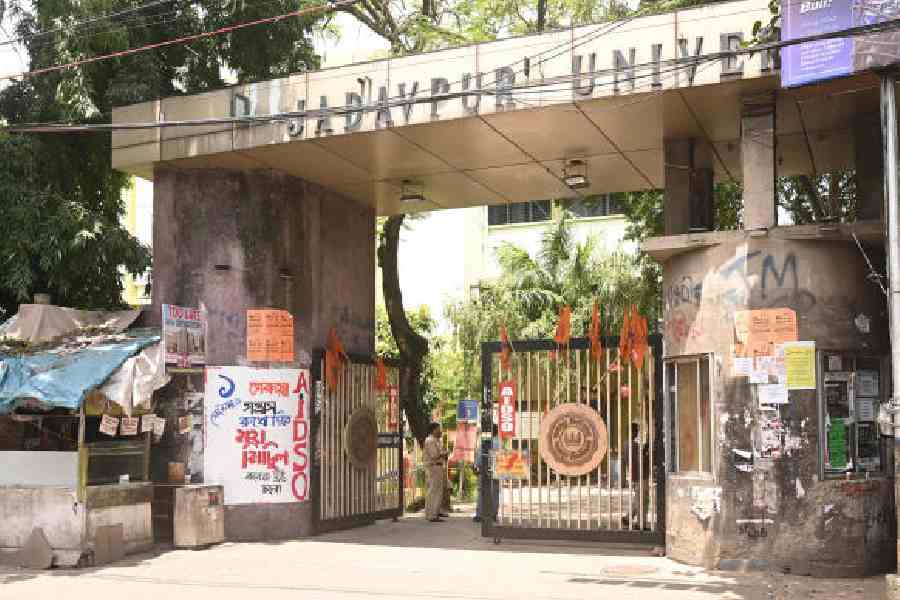
Jadavpur University Whitewashes Graffiti After Suvendu Adhikari Criticism
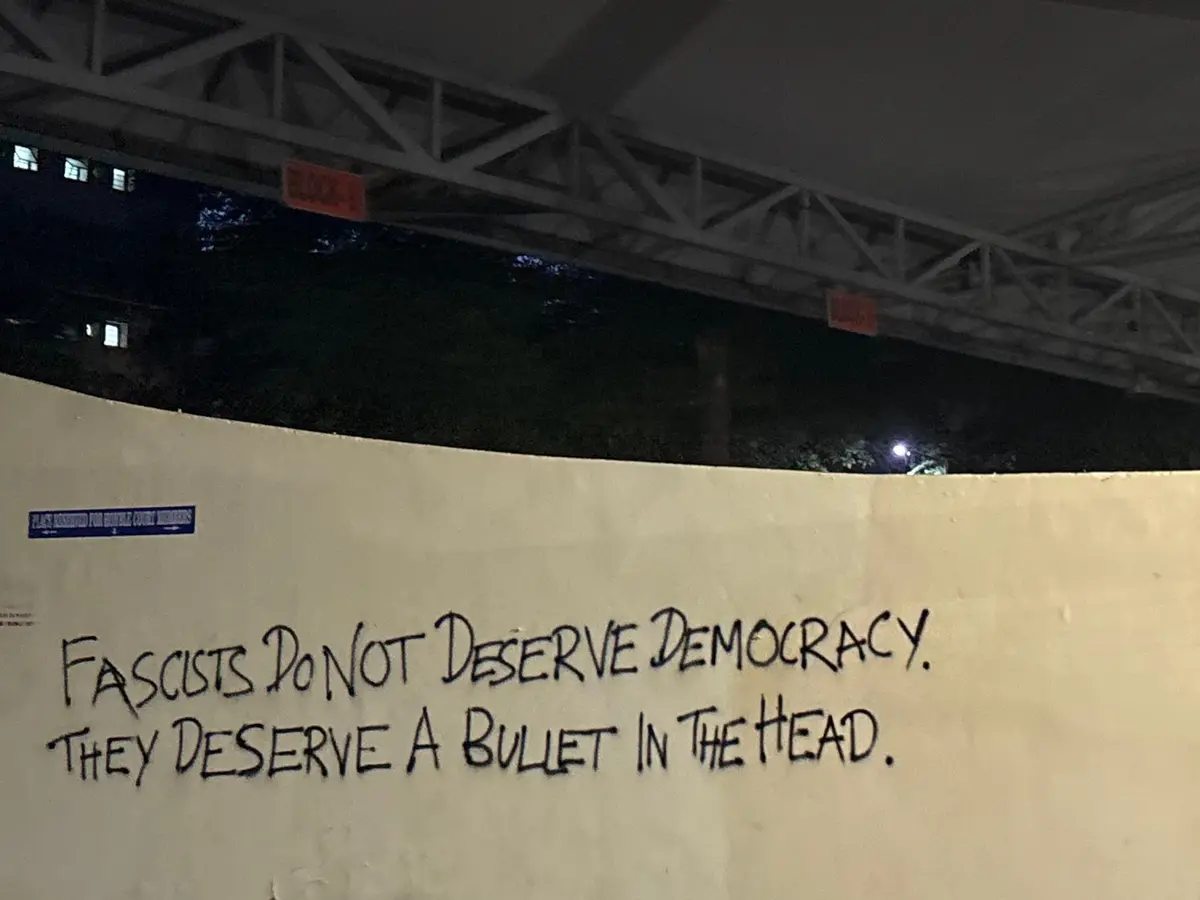
Jadavpur University Graffiti War Deepens State-Campus Political Divide
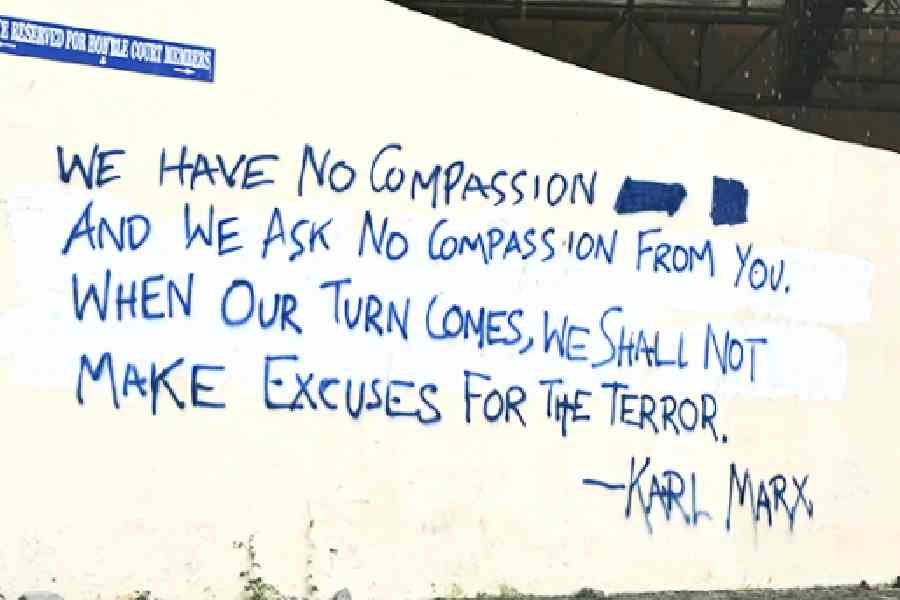
Left Students Repaint Jadavpur University Walls After Whitewash
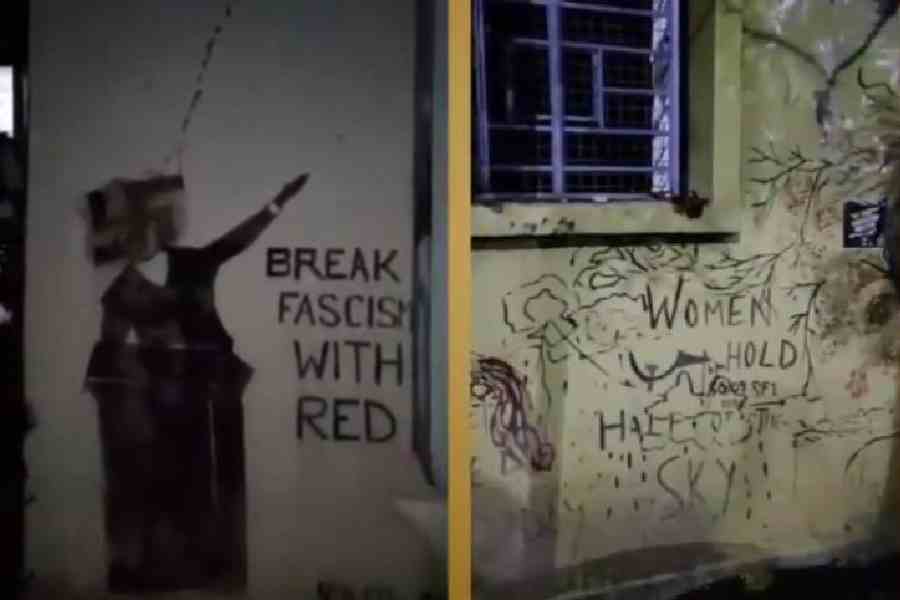
Graffiti at Jadavpur University Sparks Nationalism and Free Speech Debate
Suvendu Adhikari Orders Probe Into Alleged Anti-National JU Graffiti
Suvendu Adhikari Warns Jadavpur Students Over ‘Threat Culture’
Mahua Moitra Questions India’s 7.8% GDP Growth Figures
Expired Fire Certificate Prompts Notice to Seal Abhishek Office

Kolkata Janmashtami Committee Shift Sparks Religious Harmony Debate

North Dinajpur TMC Leader Arrested; Missing Balurghat Boys Rescued
Bengal’s New BJP Government Faces Test Beyond Victory
