2 weeks ago
Buying a Second Home Requires More Than Property Price
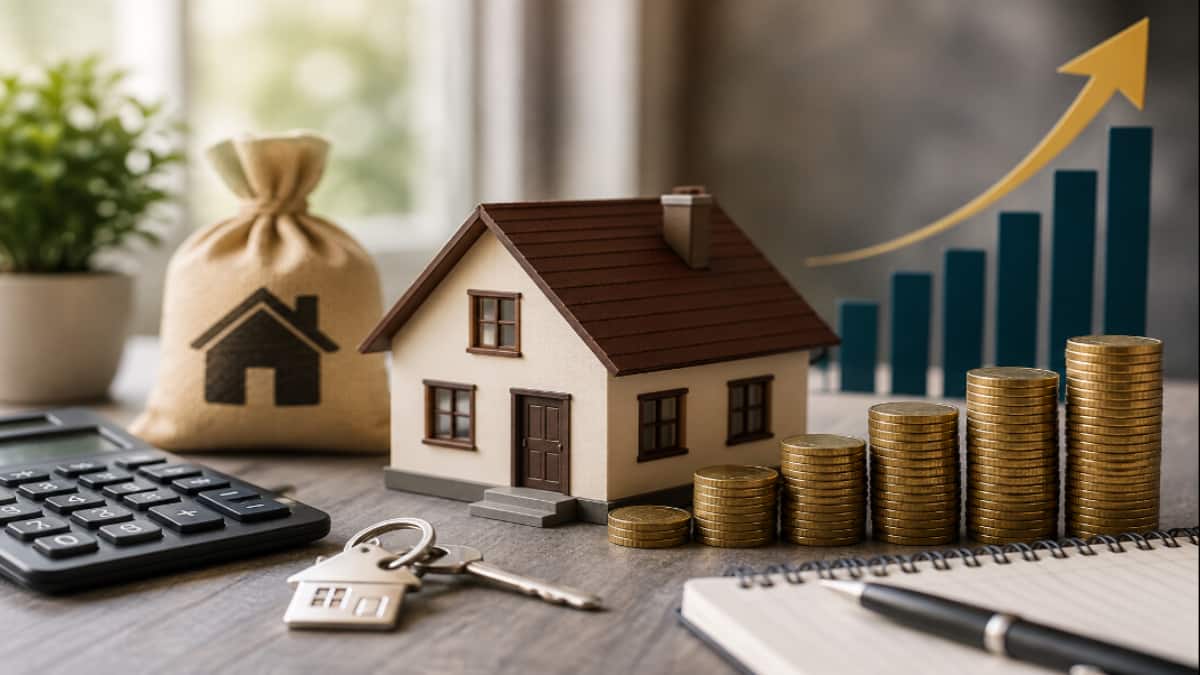
Buying a second home costs more than the price written on the property listing.
Buyers may also pay taxes, registration fees, broker fees, repair costs, and money for maintenance.
If they rent out the home, they should calculate yearly rent instead of looking only at one month’s rent.
They must also allow for empty periods when nobody rents the property.
Repairs, taxes, insurance, and management can reduce the money they actually earn.
A loan can make monthly finances tighter, especially when rent changes from month to month.
A home may become more valuable over time if it is near roads, jobs, transport, and places where people want to live.
The safest choice is a property whose financial numbers work even if its price does not rise quickly.

Buyers should calculate stamp duty, registration, broker fees, interiors, maintenance deposits, and immediate repair costs.
Rental returns should account for vacancies, maintenance, management expenses, taxes, insurance, repairs, and broker fees.
Long-term property value depends on location fundamentals such as roads, accessibility, employment centers, and sustained housing demand.
Loan buyers should assess the amount borrowed, interest rate, repayment period, down payment, and impact on monthly finances.
Resale prospects depend on location, accessibility, property design, developer history, and upcoming projects.
- Who
- People considering buying a second home, including investors and rental-property buyers; Sudhir A Patel of Shyam Group and Vijay Raundal of Teerth Realties offered guidance.
- What
- The article explains how to evaluate the full cost, rental income, loan burden, long-term value, and resale potential of a second home.
- Where
- The article refers to comparing properties with similar homes in the same area but does not identify a specific location.
- When
- Why
- To help buyers determine whether a second-home investment remains financially viable after ownership costs, vacancies, financing expenses, and resale considerations.
Key facts
- Purchase costs
- Stamp duty, registration fees, broker fees, interior work, maintenance deposits, and immediate repairs should be included.
- Rental yield
- Annual rent should be compared with the total property cost.
- Rental deductions
- Vacancies, repairs, management expenses, taxes, insurance, and broker fees can reduce actual returns.
- Loan factors
- Buyers should review the loan amount, interest rate, repayment period, and down payment.
- Financial buffer
- Borrowers should retain money for other expenses because rental income may vary each month.
- Long-term value
- Roads, accessibility, employment centers, and steady residential demand can influence future value.
- Resale factors
- Location, access, property layout, developer history, and upcoming projects can affect future demand.
Quotes
Sudhir A Patel
Director at Shyam Group
“Buying a home is not just about looking at the price of the property and your budget. Investors should really add up all the costs involved in buying the property like stamp duty, registration, broker fees, deposits for maintenance and any other costs for repairs that might come up quickly.”
 businesstoday.in
“For people who are using a loan to buy a property the first thing they should look at is not the price of the property but how the extra payment affects their monthly money.”
businesstoday.in