2 hrs ago
NSE IPO May Boost Primary Market, Upend Unlisted Shares

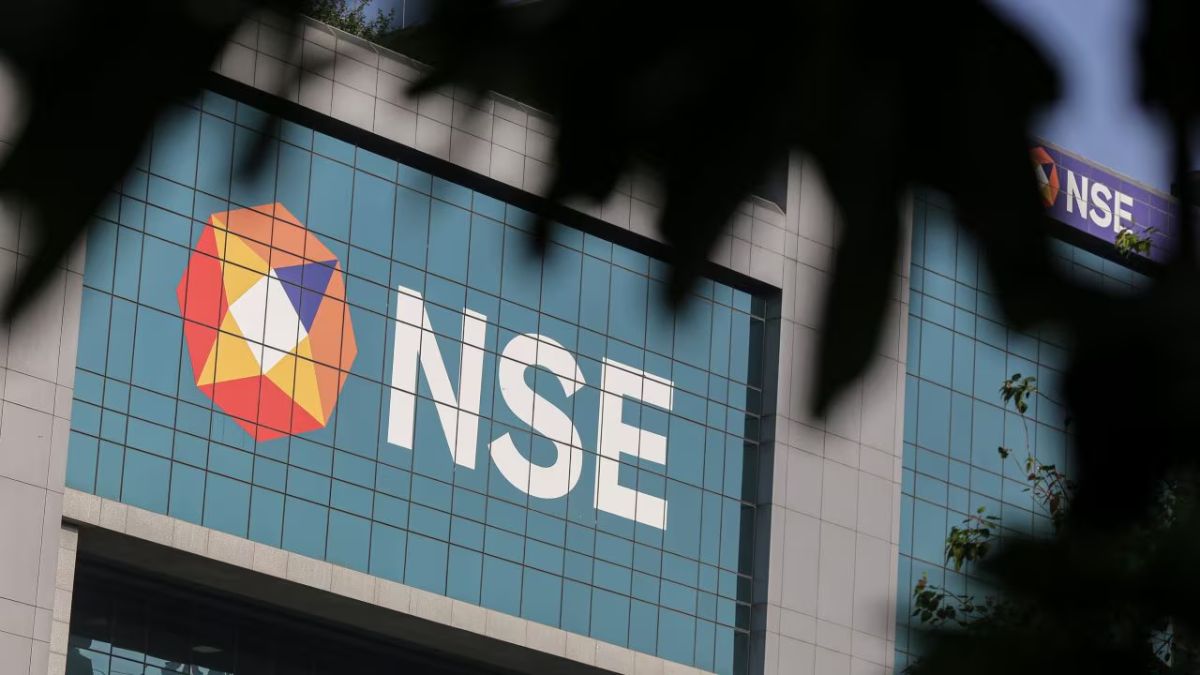
The National Stock Exchange, or NSE, is planning to sell shares to the public.
This could bring more activity to India’s IPO market.
But NSE was also the biggest attraction in the market for buying and selling shares of private companies.
One estimate says it made up about half of that trading.
Many people bought NSE shares before the IPO because the exchange was large, profitable and expected to list.
After the IPO, trading platforms may need to find other companies to interest investors.
Those alternatives may be smaller and have less information available.
Unlisted shares can produce large gains, but some investors have also lost money.

The National Stock Exchange’s planned IPO is expected to strengthen India’s primary market.
NSE accounted for roughly half of unlisted-share trading, according to UnlistedZone’s estimate.
The exchange had 231,378 shareholders before its IPO, up from fewer than 80 in 2016.
Platforms may struggle to replace NSE because few companies offer comparable size, familiarity and liquidity.
Investors in some unlisted companies, including HDB Financial Services and Tata Capital, suffered losses.
- Who
- The National Stock Exchange of India, unlisted-share platforms, brokers, investors and companies preparing to list.
- What
- NSE’s planned initial public offering could boost India’s primary market while reducing activity in the unlisted-share market.
- Where
- India’s primary and unlisted-share markets.
- When
- The IPO is forthcoming; NSE’s latest cited monthly share-transfer disclosure was from March 2025.
- Why
- NSE was a major attraction because of its size, profitability, dominant position, disclosures and expected listing, so its IPO may remove the market’s leading trading opportunity.
Primary-Market Opportunity
Unlisted-Market Disruption
Impact of the IPO
Primary-Market Opportunity
The NSE listing is expected to deliver a major boost to India’s primary market.
Unlisted-Market Disruption
The listing threatens to sharply reduce activity in the unlisted-share market because NSE was its leading attraction.
Future of trading platforms
Primary-Market Opportunity
Platforms may continue to find opportunities in companies from sectors such as space technology, aerospace, defense and data centers.
Unlisted-Market Disruption
Platforms may struggle to replace NSE because no current issuer offers the same combination of size, familiarity and liquidity.
Investment returns
Primary-Market Opportunity
The unlisted market has produced instances of outsized returns, with entry timing and valuations considered critical.
Unlisted-Market Disruption
Investors in some prominent companies, including HDB Financial Services and Tata Capital, suffered losses, and recent NSE buyers may also face losses after the IPO.
Key facts
- NSE unlisted-market share
- Roughly half of trading volume, according to an estimate by UnlistedZone.
- NSE shareholders before IPO
- 231,378 shareholders.
- Shareholders in 2016
- Fewer than 80, according to NSE’s December 2016 draft prospectus.
- NSE share transfers in March 2025
- Nearly 15 billion rupees, or about $170 million, changed hands.
- Primary-market trend
- India set consecutive records for IPO proceeds in the last two years.
- Potential replacement sectors
- Space technology, aerospace, defense, data centers and other new-age industries.
Quotes
Umesh Paliwal
Co-founder of UnlistedZone
“We expect interest in the unlisted market to remain selective as companies emerge across sectors such as space technology, aerospace, defense, data centers and other new-age industries.”
 livemint.com
“Ultimately, entry timing and valuations are critical.”
livemint.com
Sources
Related news
NSE Wins Sebi Approval for Second-Biggest IPO After Jio Platforms

SEBI Clears NSE’s ₹30,000-Crore IPO After Decade-Long Wait

SEBI Clears NSE IPO, Advancing Long-Awaited Stock Exchange Listing

National Stock Exchange Files Updated IPO Draft With SEBI
NSE IPO Nears Historic Listing Amid Self-Trading Debate