10 months ago
Bombay Suburbs' Key Role in Civil Disobedience Movement
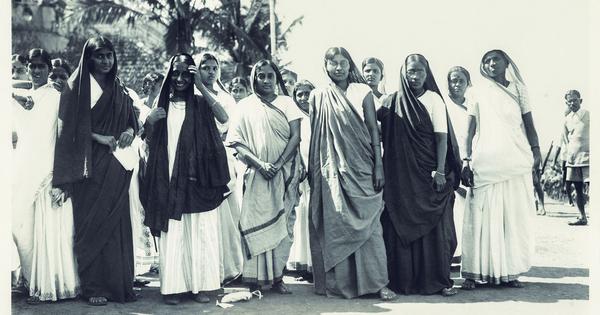
In the 1930s, women from Bombay's suburbs played a significant role in India's fight for independence.
They joined protests, picketed businesses, and broke the law, despite facing arrests and police attempts to limit their actions.
The suburbs became important for the movement, serving as logistical bases and sites for acts of civil disobedience, such as making salt and establishing camps.
Despite facing various challenges, women continued their fight.
These camps housed volunteers from the Bombay Presidency, from where they could be dispatched for picketing and processions.
Women maintained a Congress presence even when police attempted to disrupt the suburban institutions.

Women from Bombay suburbs actively participated in the Civil Disobedience Movement.
They protested and picketed, supporting Indian independence.
Suburban areas served as logistical bases and protest sites for the movement.
Local Congress committees and camps were established.
Women maintained a Congress presence despite police efforts to stop them.
- Who
- Women activists from Bombay suburbs
- What
- Participated in the Civil Disobedience Movement
- Where
- Bombay suburbs, including Bandra, Vile Parle, Ghatkopar, Juhu
- When
- 1930-1931
- Why
- To protest British rule and support Indian independence
Colonial Government
Indian Nationalists
Suburban Protest Significance
Colonial Government
Considered suburban areas unlikely sites for meaningful protest.
Indian Nationalists
Recognized suburban areas as significant for the movement.
Women's Participation
Colonial Government
Attempted to discourage women's participation by exiling them.
Indian Nationalists
Embraced women's active role in the movement.
Key facts
- Event
- Civil Disobedience Movement
- Location
- Bombay Suburbs (Bandra, Vile Parle, Ghatkopar, Juhu, Chembur)
- Key Actions
- Protesting, picketing, breaking salt laws, establishing camps
- Key Figures
- Kamaladevi Chattopadhyay, Yusuf Meherally, Jamnalal Bajaj
- Time Period
- 1930-1931
- Key Sites
- Chhavanis (Camps) at Vile Parle, Ghatkopar, Bhandup, Mulund, Chembur
Sources
Related news

How India Shaped Gloria Steinem’s Feminist Organizing Lessons
Two Gramophone Records Trace Vande Mataram’s Changing National Status

Jhandu Kumar Wins Bronze in Para Powerlifting at Commonwealth Games

Kamaladevi Chattopadhyay: A Pioneer of Social Enterprise in India