1 hr ago
Pawan Khera Criticizes Delhi Slum Curtains During BRICS Summit
Green curtains and barriers were put up near some poorer neighborhoods in New Delhi.
They were placed along roads used by important visitors attending the BRICS Summit.
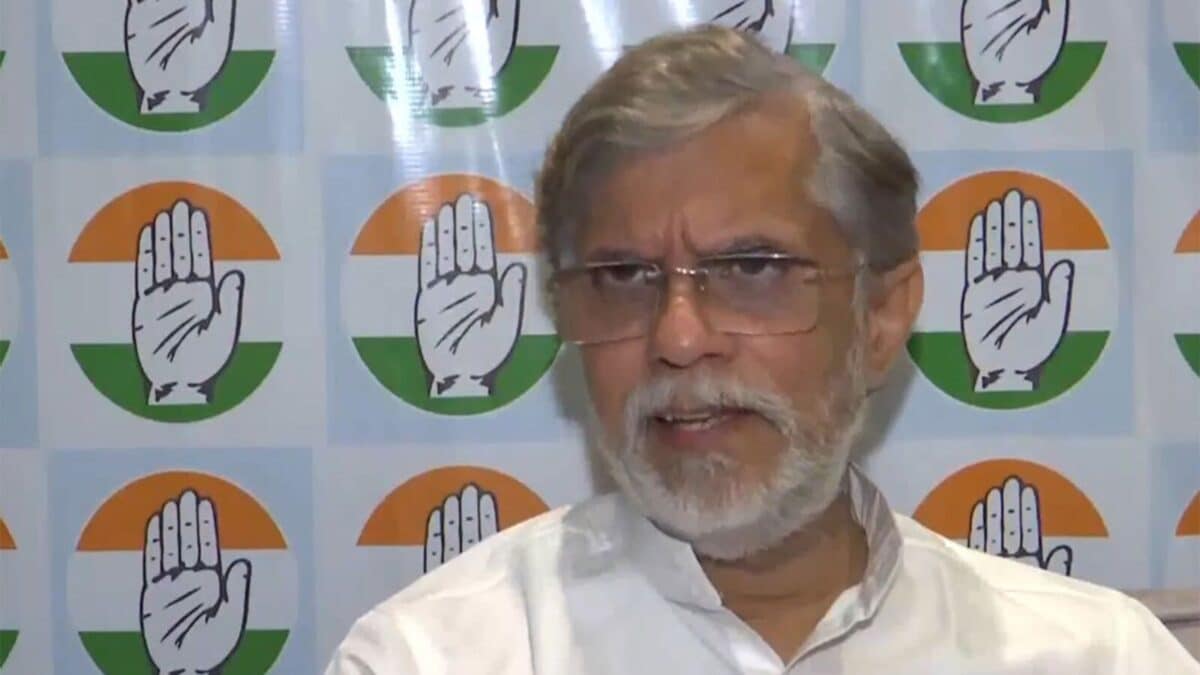
Congress leader Pawan Khera criticized the move.
He said the barriers were being used to hide poverty from foreign leaders.
He compared the curtains to a veil hiding what he called the government’s failures.
Other opposition parties also objected.
They said money should be spent on better housing and public services instead.
Government agencies said the barriers were needed for security, traffic control, and a neat appearance.
The disagreement is about whether the city should hide difficult conditions or address them directly.

Congress MP Pawan Khera criticized green curtains and barricades screening slum clusters in New Delhi.
Khera accused the BJP-led government of hiding poverty and India’s socioeconomic realities from foreign dignitaries.
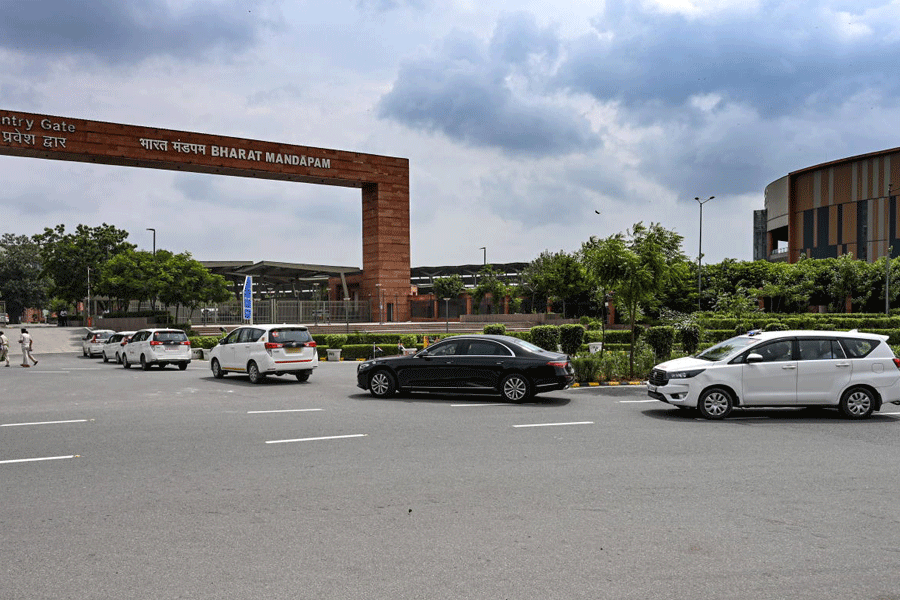
The screening was installed along routes linking the airport, central Delhi, and Bharat Mandapam.
Opposition parties said funds for temporary barriers should instead support housing and urban welfare.
Government agencies said the measures followed standard security, traffic, and beautification protocols.
- Who
- Congress MP Pawan Khera, opposition parties, and government agencies involved in summit preparations.
- What
- A political dispute over green curtains and temporary barricades screening informal settlements and slum clusters.
- Where
- Along major corridors connecting Indira Gandhi International Airport, central New Delhi, and Bharat Mandapam.
- When
- During preparations for the 18th BRICS Summit, with the report dated September 13, 2026.
- Why
- Khera said the barriers concealed poverty, while government agencies said they served security, traffic-management, and aesthetic purposes.
Opposition criticism
Government justification
Purpose of the barriers
Opposition criticism
Pawan Khera and opposition parties said the curtains concealed poverty and created an artificial image of urban infrastructure for visiting foreign dignitaries.
Government justification
Government agencies said the temporary screening and greenery were part of standard arrangements for security, traffic management, and aesthetic uniformity.
Use of public funds
Opposition criticism
Opposition voices argued that money spent on temporary covers and barricades would be better directed toward sustainable housing and urban welfare.
Government justification
The government’s stated rationale focused on summit-related protocol and route management rather than long-term housing policy.
India’s global image
Opposition criticism
Khera argued that hiding underprivileged communities undermined genuine socioeconomic development efforts.
Government justification
Authorities maintained that preparing ceremonial routes appropriately was a normal part of hosting an international summit.
Key facts
- Event
- 18th BRICS Summit
- Location
- New Delhi, India
- Screening measures
- Large green curtains, temporary barricades, and greenery
- Covered areas
- Slum clusters, informal settlements, and low-income neighborhoods
- Routes
- Corridors connecting Indira Gandhi International Airport, central Delhi, and Bharat Mandapam
- Government justification
- Standard protocol for security, traffic management, and aesthetic uniformity
- Political criticism
- Pawan Khera said the measures hid India’s socioeconomic realities and poverty
Quotes

Pawan Khera
Congress MP and Congress leader who criticized the BJP-led Central Government
“Not all ‘hijabs’ are unacceptable to the BJP. The one that veils Modi’s failures is their favourite.”
 news18.com
Sources
Related news
Delhi Inspects Key Routes Ahead of 2026 BRICS Summit
Delhi Undergoes Major Transformation Ahead of BRICS Summit 2026
New Delhi Traffic Disruptions Grow Ahead of BRICS Summit
New Delhi Gets Capital Makeover Ahead of BRICS Summit

New Delhi Plans Grand Makeover Ahead of BRICS Summit 2026

India Tightens Delhi Security Ahead of 2026 BRICS Summit
Congress Claims NSUI Victory in Garhwal University Polls
Sachin Pilot Takes Charge as Congress Faces Punjab Battle

RSS Anger Grows After Tribal and Liquor Tragedies
Tipra Motha Wins 34 Percent of Tripura Tribal Seats Unopposed