23 hrs ago
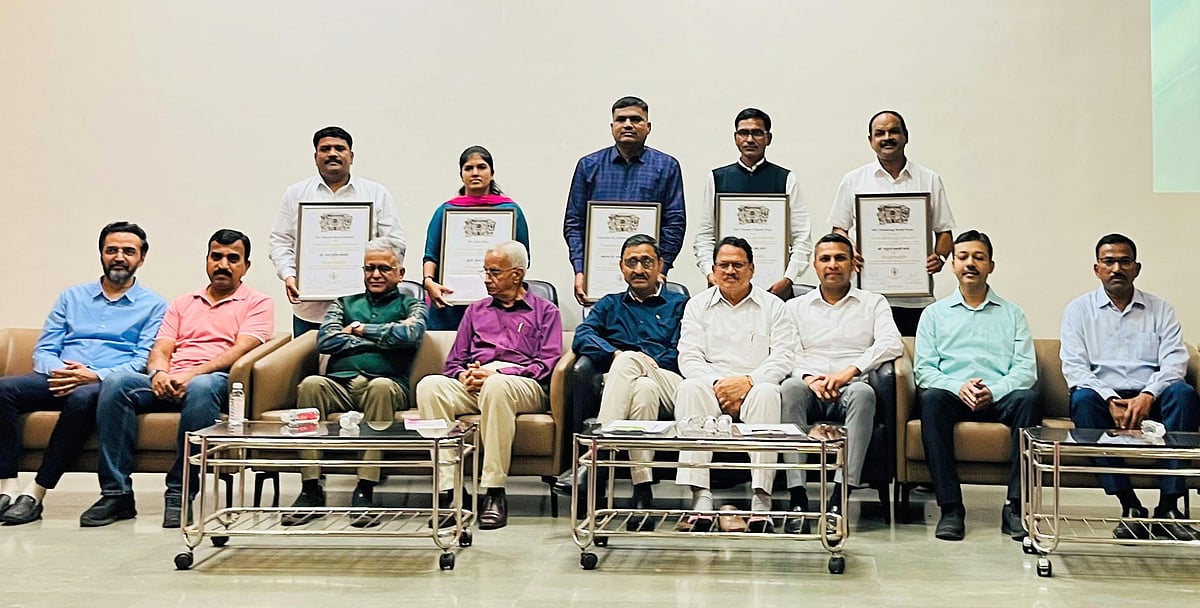
K K Wagh Polytechnic Engineering Courses Receive NBA Accreditation
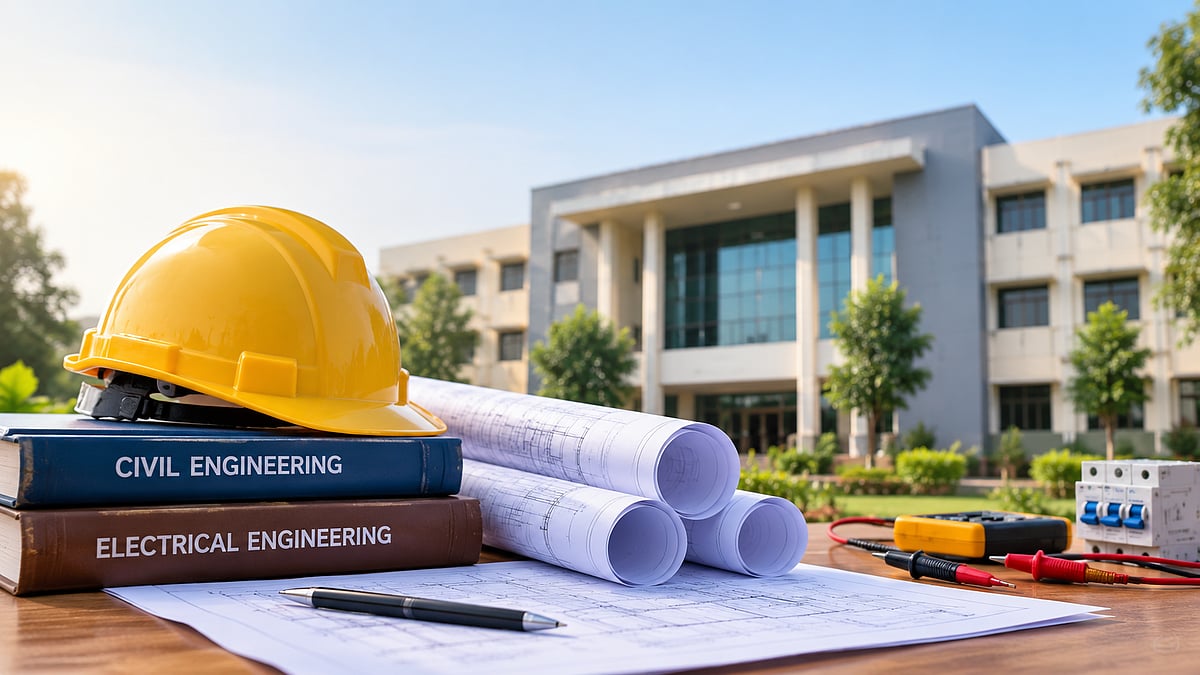
K. K. Wagh Polytechnic has received an important approval for two of its diploma courses.
The approved courses are Civil Engineering and Electrical Engineering.
The approval comes from the National Board of Accreditation, also called the NBA.
It will last from July 1, 2026, to December 31, 2026.
The school is in Nashik and is run by the K. K. Wagh Education Society.
This recognition shows that the institute is working to provide good technical education.
It also highlights the work of the Civil and Electrical Engineering departments.
School leaders thanked the staff for helping achieve this result.

K. K. Wagh Polytechnic’s Civil and Electrical Engineering diploma courses received NBA accreditation.
The accreditation covers the period from July 1 to December 31, 2026.
The courses are run by the K. K. Wagh Education Society in Nashik.
The accreditation recognizes the institute’s focus on quality, industry-oriented technical education.
Institute officials credited staff efforts and congratulated the teaching and non-teaching teams.
- Who
- K. K. Wagh Polytechnic, the K. K. Wagh Education Society, and the National Board of Accreditation.
- What
- The institute’s Civil Engineering and Electrical Engineering diploma courses received NBA accreditation.
- Where
- K. K. Wagh Polytechnic in Nashik.
- When
- The accreditation period is July 1, 2026, to December 31, 2026.
- Why
- The accreditation recognizes the institute’s efforts to provide quality, industry-oriented technical education.
Key facts
- Accrediting body
- National Board of Accreditation (NBA)
- Accredited courses
- Diploma in Civil Engineering and Diploma in Electrical Engineering
- Accreditation period
- July 1, 2026, to December 31, 2026
- Institute
- K. K. Wagh Polytechnic
- Managing organization
- K. K. Wagh Education Society
- Location
- Nashik
- Officials named
- President Sameer Balasaheb Wagh, secretary Prof. K. S. Bandi, principal Prof. P. T. Kadve, and department heads Prof. S. B. Pawar and Prof. A. D. Kale
Sources
Related news

Traditional Engineering Branches Return as Polytechnic Admissions Rise
AICTE Launches Skills and Innovation Initiatives for Students
Maharashtra Orders Self-Financed Universities to Establish Marathi Departments

AISF Warns Statewide Protests Over Polytechnic Merger Proposal

North Maharashtra University, NIELIT Sign MoU For Skill Education

Thiagarajar Polytechnic College Celebrates Its 66th Graduation Day
Over 3,100 Nashik Students Create Eco-Friendly Ganesh Idols
Vivek Sawant Urges Engineering Students to Build Scientific Mindsets
KBT College Team Wins Smart India Hackathon 2025