

2 hrs ago
Draconid Meteor Shower Peaks October 8 Under Dark Skies
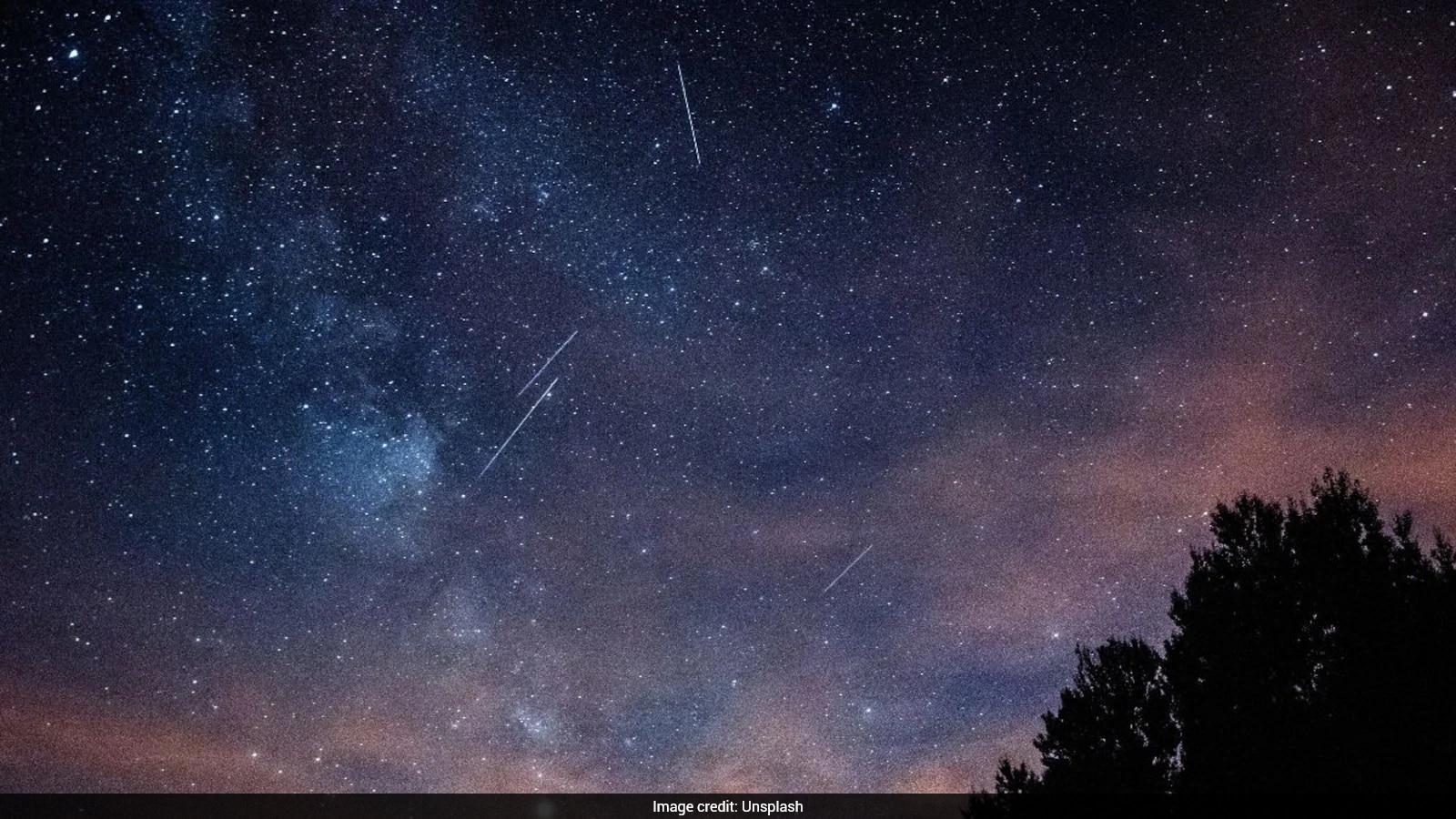
The Draconid meteor shower is a yearly display of meteors in the October sky.
In 2026, it is expected to be strongest on the evening of October 8.
The best time to look is after the sky gets dark.
The meteors seem to come from the direction of the constellation Draco, but they can appear anywhere in the sky.
They move more slowly than meteors in many other showers.
A small crescent moon is expected to stay low until shortly before dawn, so the early night should be dark.
People in the Northern Hemisphere are expected to see more meteors.
In clear, dark conditions, you might spot about five to ten meteors in an hour.
Find a dark place and give your eyes time to adjust.

The Draconid meteor shower is active October 6–10 and is expected to peak on the evening of October 8.
Peak activity is forecast around 9 p.m. Eastern Time on October 8, or 1:00 UTC on October 9.
The best viewing starts after twilight, when the constellation Draco is high in the sky.
A thin waning crescent moon is expected to rise shortly before dawn, leaving darker skies earlier in the night.
Under dark, clear skies, viewers may see about 5–10 meteors per hour; the Northern Hemisphere has the best view.
- Who
- Stargazers, especially those in the Northern Hemisphere.
- What
- The annual Draconid meteor shower is expected to reach its peak.
- Where
- Across the Northern Hemisphere, under dark, clear skies.
- When
- The evening of October 8, 2026, continuing into the early hours of October 9; peak activity is forecast around 9 p.m. Eastern Time.
- Why
- The shower is an annual event, and the low, late-rising crescent moon is expected to leave darker skies for viewing.
Key facts
- Active dates
- October 6–10, 2026
- Peak evening
- October 8
- Forecast peak time
- Around 9:00 p.m. Eastern Time on October 8 (1:00 UTC on October 9)
- Expected rate
- About 5–10 meteors per hour under dark, clear skies
- Best viewing window
- After twilight fades
- Moon conditions
- A thin waning crescent is expected to rise shortly before dawn
- Best-viewed region
- Northern Hemisphere
- Following shower
- The Orionid meteor shower is expected to peak on October 21
Quotes

NASA
U.S. space agency cited in the article
“Find a dark spot, let your eyes adjust, and watch for meteors streaking from anywhere across the sky. A relatively modest shower; viewers may spot a few meteors per hour.”
 NDTV
NDTV
“This is an ideal meteor shower for casual sky watchers, since it begins soon after darkness falls rather than in the early morning hours.”
NDTV
Sources
Related news
October Sky Offers Meteor Showers, Galaxies, Planets and Zodiacal Light
Five Spectacular Autumn Night-Sky Events to Watch For

September 2026 Venus Reaches Its Brightest Point Of The Year

India’s October 2026 Festival Calendar Brings Major Celebrations Together

Shardiya Navratri 2026 Begins October 11, Ashtami Navami Coincide
