10 hrs ago
Centre Seeks Two-Year Delay in OBC Creamy-Layer Verdict
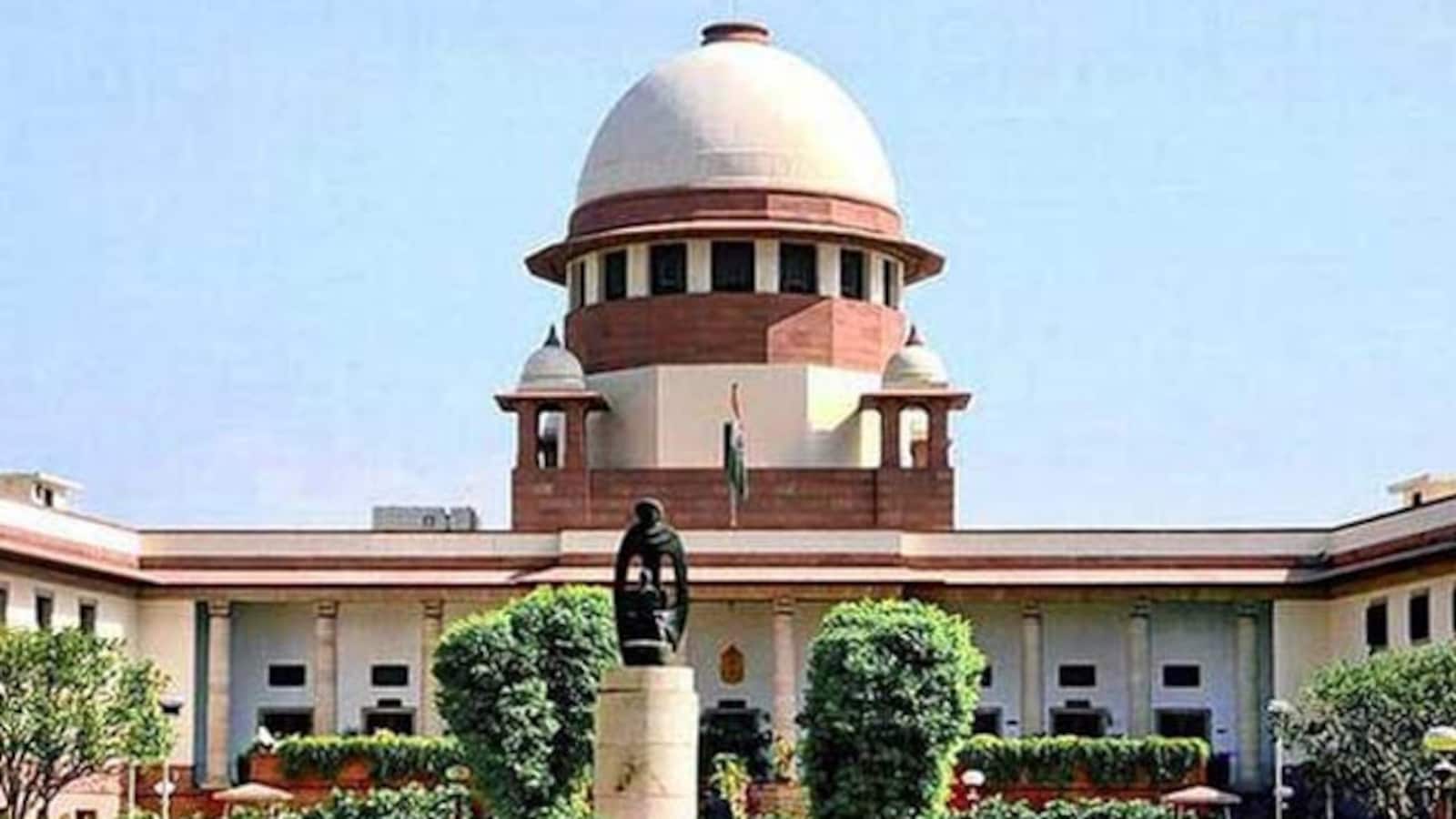
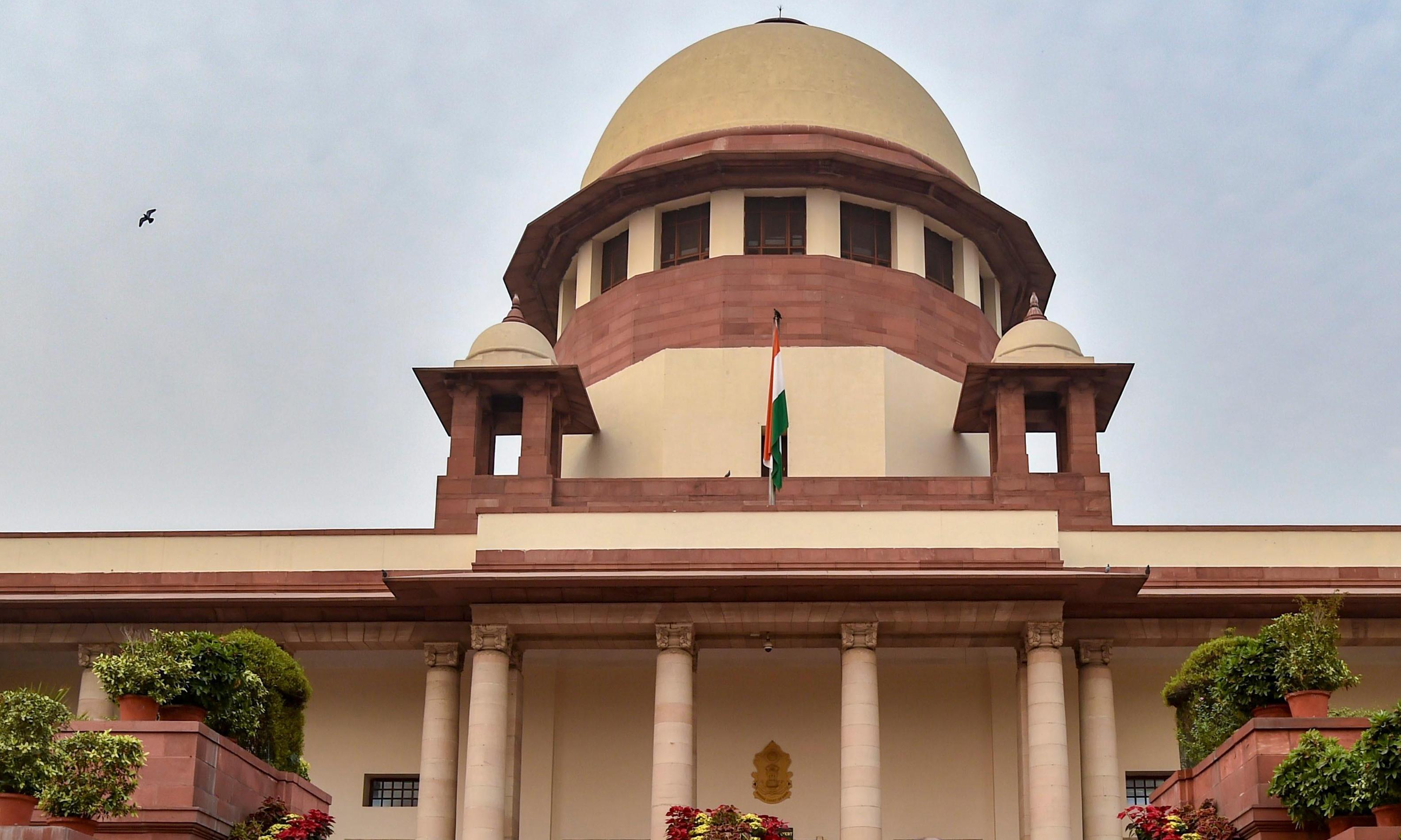
The Supreme Court made a ruling about how to decide which OBC candidates fall within the creamy layer.
It said a parent’s salary alone should not decide this when the parent works in the private or public sector.
The government is asking the court not to apply this rule immediately to older or ongoing recruitment processes.
It wants two years to make the necessary administrative changes.
The government says immediate use of the ruling could disturb appointments, seniority and cadre assignments.
The government is not asking the court to cancel the ruling itself.
It is asking for a delayed, limited application of the decision.
The Supreme Court has agreed to examine this request and related cases.

The Supreme Court agreed to examine the Centre’s request for prospective application of its March 11 OBC creamy-layer ruling.
The Centre wants a two-year window to implement the judgment and avoid disruption to past and ongoing recruitment processes.
The ruling said a parent’s private-sector or public-sector salary alone cannot determine OBC creamy-layer exclusion.
The Centre warned immediate application could affect seniority, cadre allocation and appointments of candidates not involved in the case.
The government has also sought to transfer related cases from various high courts and clarification concerning Civil Services Examination 2025 candidates.
- Who
- The Centre, represented by Additional Solicitor General Aishwarya Bhati, and the Supreme Court bench led by Chief Justice of India Surya Kant.
- What
- The Supreme Court agreed to examine the Centre’s plea seeking prospective application of its OBC creamy-layer judgment for two years.
- Where
- The Supreme Court, involving related petitions before various high courts.
- When
- The plea was considered on Thursday; the underlying judgment was delivered on March 11, 2026. A related clarification plea was considered on September 1.
- Why
- The Centre says immediate application could disrupt past and ongoing recruitment, seniority, cadre allocation and appointments.
Centre’s implementation concerns
Immediate application of the judgment
Timing of implementation
Centre’s implementation concerns
The Centre wants the ruling to apply prospectively, with two years to adjust administrative systems and competing rights.
Immediate application of the judgment
Immediate application of the Supreme Court’s ruling could affect past and ongoing recruitment processes; the Centre says this would create harsh and unintended consequences.
Effect on recruitment
Centre’s implementation concerns
The government says delayed implementation is needed to prevent disruption to seniority, cadre allocation and appointments of people who were not parties to the litigation.
Immediate application of the judgment
The March 11 judgment establishes that salary or income alone cannot determine creamy-layer exclusion, requiring the stated criteria to be applied to the relevant cases.
Scope of relief
Centre’s implementation concerns
The Centre says it is not seeking to dilute the judgment, only to defer its operationalisation through a limited prospective overruling.
Immediate application of the judgment
The court’s ruling remains the governing legal position while the Supreme Court considers whether and how its implementation should be prospective.
Key facts
- Underlying judgment
- The March 11 ruling concerned criteria for excluding candidates from the OBC creamy layer.
- Key ruling
- A parent’s salary or income from a public-sector undertaking or private-sector job cannot alone determine creamy-layer exclusion.
- Other criteria
- The parent’s post and category, along with the prescribed income or wealth test, are to be considered under the 1993 office memorandum.
- Centre’s request
- The government seeks limited prospective overruling and a two-year implementation window.
- Administrative concerns
- The Centre cited possible disruption to seniority, cadre allocation, appointments and recruitment processes.
- Related litigation
- The Centre has sought transfer of cases from various high courts to the Supreme Court or one high court.
- Additional clarification
- A separate Supreme Court bench agreed on September 1 to consider applicability of the ruling to Civil Services Examination 2025 candidates.
Quotes

The Centre
The Union government, petitioner seeking prospective implementation of the Supreme Court ruling.
“It is submitted that this court has power under Article 142 of the Constitution to declare its judgment prospective. If the judgment is not given a prospective effect, it will entail several harsh and unjust unintended consequences on employees or appointees who were not even parties to the litigation and complete administrative chaos.”
 NDTV
NDTV
“It is, therefore, prayed that the judgment dated March 11, 2026, be given a prospective effect so that ongoing and past recruitment processes are not affected.”
NDTV
Sources
Related news

Supreme Court Considers Centre Plea to Delay OBC Verdict
Centre Seeks Supreme Court Clarity on OBC CSE 2025 Rules

Centre's OBC Plea Challenged After Supreme Court Salary Ruling

SC Issues Notice on Centre Plea Affecting 958 Candidates

Supreme Court Lists OBC Criteria, Gadling Bail Cases Tuesday
Bengal Teachers Face Recruitment Uncertainty Despite Final May 2027 Deadline
Supreme Court May Inspect NTA Office Amid NEET Reform Push

Supreme Court Plans NTA Visit, Demands Permanent Exam Reforms

Nilekani Panel Plans NEET Reforms Report as Court Seeks Permanence
Supreme Court Bars Forceful Vehicle Seizures in Loan Defaults