1 month ago
Neelam Kothari's DIY Face Pack Raises Safety Concerns
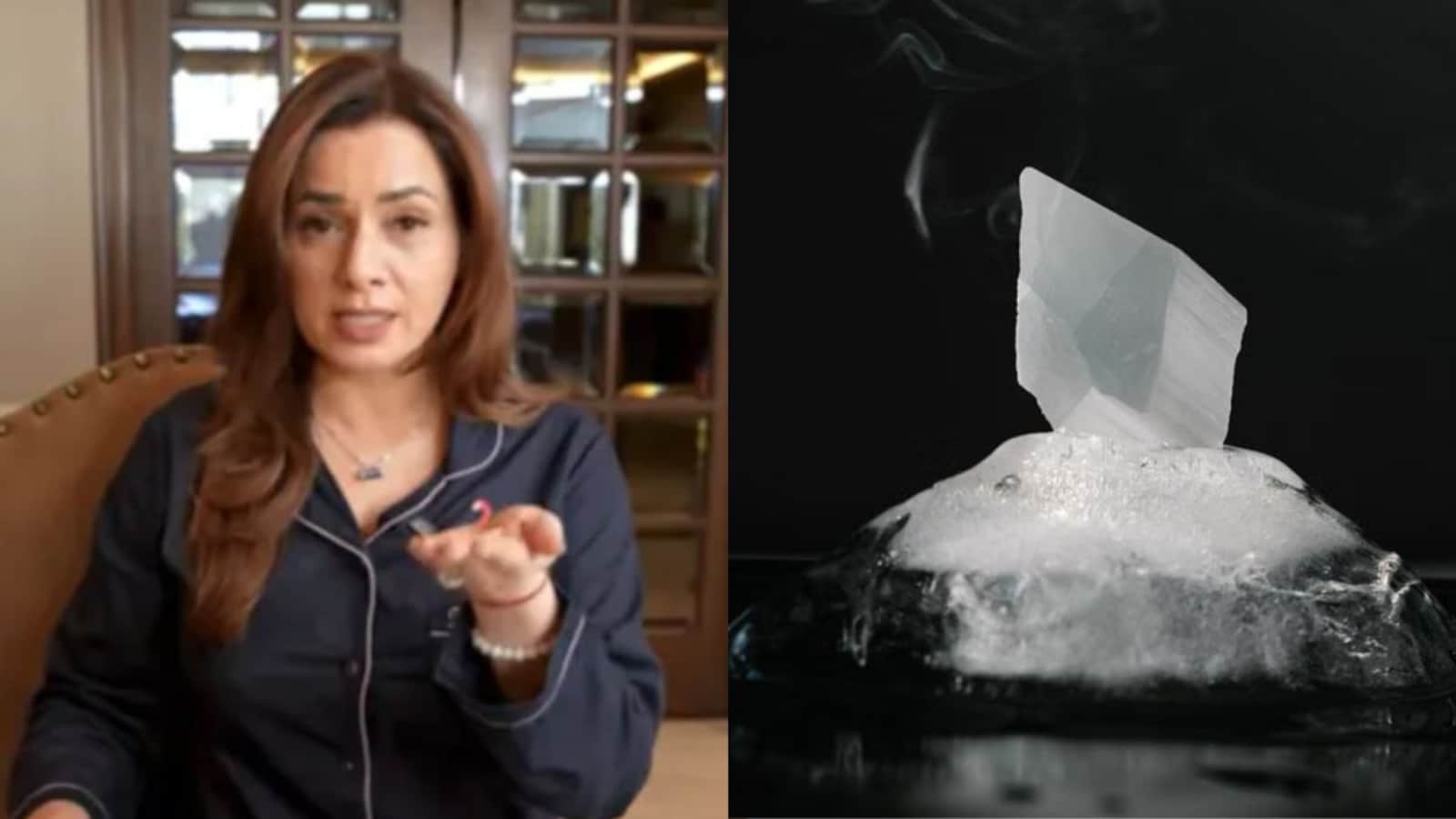
Neelam Kothari, a celebrity, shared her DIY face pack recipe that includes alum.
Alum is a substance that has been used for its antiseptic and astringent properties.
However, a dermatologist, Dr. Rupika Singh, warns that using alum in face packs can be risky.
It can cause skin irritation, dryness, and even burning.
Dr. Singh advises against mixing alum with certain ingredients like lemon juice, baking soda, and others, as it can increase the risk of skin problems.
She suggests using science-backed skincare products instead of DIY face packs with alum.
If you do use alum, it's important to do a patch test first and watch out for signs of irritation like burning, redness, and peeling.

Neelam Kothari shared a DIY face pack recipe including alum, curd, turmeric, coffee, aloe vera, and glycerine.
Dr. Rupika Singh warns against using alum in DIY face packs due to its harsh, drying nature and potential to disrupt the skin barrier.
Alum should not be mixed with ingredients like lemon juice, ACV, baking soda, and certain acids or retinoids.
Excessive use of alum can lead to skin irritation, inflammation, and post-inflammatory hyperpigmentation, especially in Indian skin tones.
Dr. Singh recommends using science-backed skincare products targeting specific issues like pigmentation and acne, instead of DIY face packs with alum.
- Who
- Neelam Kothari, Dr. Rupika Singh
- What
- DIY face pack with alum, potential risks of alum use
- Where
- Not specified (general skincare advice)
- When
- Recently (specific date not mentioned)
- Why
- To share skincare routine, to inform about potential risks
Key facts
- Celebrity
- Neelam Kothari
- Ingredient in Question
- Alum
- Potential Risks
- Skin irritation, burning, pigmentation
- Expert Advice
- Avoid alum in DIY face packs
- Safe Uses of Alum
- Styptic, aftershave, deodorant
- Recommended Alternatives
- Niacinamide, azelaic acid, ceramides
Quotes
Dr. Rupika Singh
Founder & Chief Dermatologist at Akiya Aesthetics
“Its harsh, drying nature can disrupt the skin barrier, increasing the risk of irritation, especially in people with sensitive or acne-prone skin. Since alum is not a standardised cosmetic ingredient for facial use, there is no evidence-based or dermatologist-approved quantity that can be considered safe or ideal for DIY face masks.”
 NDTV
NDTV
“Once this barrier is compromised, the skin becomes more vulnerable to irritation, inflammation, UV damage, and post-inflammatory hyperpigmentation (PIH), which is a particular concern in Indian skin tones.”
NDTV
Sources
Related news

Netflix reveals star-studded voice cast for Charlie vs. Chocolate Factory

Professor, Five Students Arrested in IGKV Paper Leak

CBSE KVS, NVS, EMRS Tier-II Results to Release in Phases

Poco F9 Pro and Ultra Global Launch Set for September

Nvidia Denies Report of New China-Specific AI Chip

Killer/KillR Makers Announce October 17 Worldwide Theatrical Release

Neelam Kothari Soni Shares Her Protein-Rich Everyday Diet on YouTube

Neelam Kothari, Vatsal Sheth, Ishita Dutta to Host SPARK Singles Events

Mrs India International Queen 2026 Winners Crowned

Neelam Kothari Reveals Role in Shah Rukh and Gauri's Love Story