

1 hr ago
BJP’s SIR Claim Draws Congress Questions Over Remaining Voters

The Bharatiya Janata Party said a voter-list review removed 2.8 crore names of people who had died.
The Indian National Congress said 13 crore names were removed in total.
Congress leader Pawan Khera asked what happened to the other 10.2 crore names.
He also questioned why earlier yearly checks had not already removed deceased voters.
The Bharatiya Janata Party said the review also found duplicate, absent, and shifted voters.
It accused the opposition of misleading people about the process.
The disagreement is part of a larger political fight over how voter lists are being checked.
A report also said two Election Commissioners had objected to some decisions connected with the review.

The Bharatiya Janata Party said the Special Intensive Revision removed 2.8 crore deceased voters from rolls across 31 states and union territories.
The Indian National Congress questioned what happened to the remaining 10.2 crore names among 13 crore removed voters.
Congress leader Pawan Khera asked whether annual electoral-roll revisions since 2014 had failed to remove deceased voters.
The Bharatiya Janata Party said more than one crore duplicate and 9.43 crore absent or shifted entries were also removed.
The dispute follows an Indian Express report about repeated objections by Election Commissioners Sukhbir Singh Sandhu and Vivek Joshi over the revision process.
- Who
- The Bharatiya Janata Party, the Indian National Congress, Pawan Khera, and Election Commissioners Sukhbir Singh Sandhu and Vivek Joshi.
- What
- A dispute over the number and types of names removed during the Special Intensive Revision of electoral rolls.
- Where
- Across 31 Indian states and union territories; the report was datelined New Delhi.
- When
- September 27; the report also refers to objections made during the previous 10 months.
- Why
- The Bharatiya Janata Party said the removals cleaned up electoral rolls, while the Indian National Congress questioned the unexplained remainder and the process.
Indian National Congress
Bharatiya Janata Party
Meaning of the 13-crore removal figure
Indian National Congress
The Indian National Congress asked what happened to the remaining 10.2 crore names after the Bharatiya Janata Party attributed 2.8 crore removals to deceased voters.
Bharatiya Janata Party
The Bharatiya Janata Party said the other removals included more than one crore duplicate entries and 9.43 crore absent or shifted names.
Quality of earlier roll revisions
Indian National Congress
Pawan Khera questioned whether annual Summary Revisions since 2014 had been inadequate if 2.8 crore deceased voters remained on the rolls.
Bharatiya Janata Party
The Bharatiya Janata Party presented the Special Intensive Revision as a cleanup exposing problems in electoral rolls and accused opponents of misleading the public.
Conduct of the revision
Indian National Congress
The Indian National Congress and opposition parties have objected to the Special Intensive Revision, amid a report about repeated objections by two Election Commissioners.
Bharatiya Janata Party
The Bharatiya Janata Party defended the revision and said critics should respect the democratic mandate rather than spread what it called lies.
Key facts
- Deceased names removed
- 2.8 crore, according to the Bharatiya Janata Party.
- Total names removed
- 13 crore, according to Pawan Khera.
- Other names cited by BJP
- More than one crore duplicate entries and 9.43 crore absent or shifted names.
- Geographic scope
- 31 states and union territories.
- Review process
- Special Intensive Revision of electoral rolls.
- Commission objections
- Sukhbir Singh Sandhu and Vivek Joshi reportedly objected at least 14 times over 10 months.
Quotes

Bharatiya Janata Party
India’s ruling political party, which defended the electoral-roll revision.
“Now that SIR is cleaning up the electoral rolls, the INDI Alliance is creating a ruckus. Why? Does the INDI Alliance want the deceased people to remain on the voter list? The nation deserves an answer.”
 theprint.in
“The question is simple: Who benefited from keeping these names on the voter list? Who wants names that could be misused for bogus voting?”
theprint.in
Sources
Related news
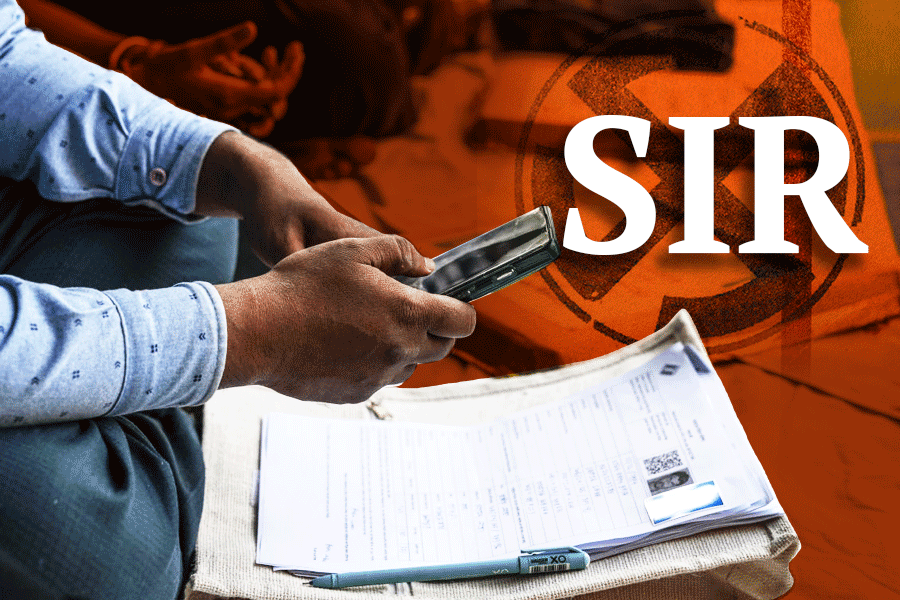
Congress Alleges Mass Voter Deletions During SIR Revision
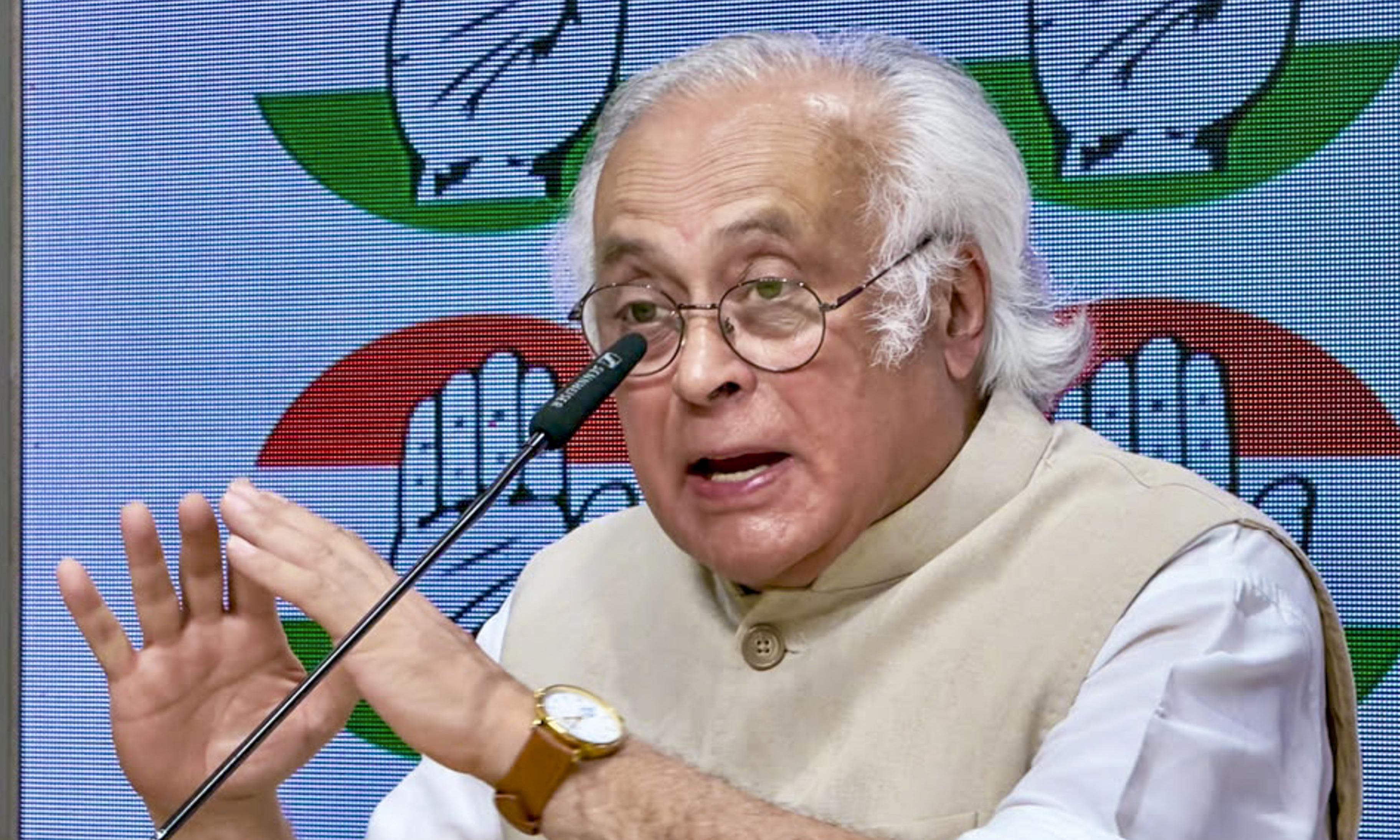
Congress Challenges Delhi SIR Over VIP Notices and Deletions
Delhi Draft Voter Roll Excludes 47 Lakh Names, Sparks Row
Odisha Final Voter Roll Lists 3.16 Crore Electors After SIR
Voter Deletions Prompt Calls for Gyanesh Kumar’s Immediate Resignation
Maharashtra BJP's Seva Sankalp Yatra Reaches Amravati, Expands Grassroots Outreach
Nitin Nabin Joins Bengal Workers for Mann Ki Baat
Former Kerala Chief Secretary Alleges CEC Sought BJP Candidate
Parvesh Verma Defends Viral Slapping Incident, Alleges Commission Row
Tripura Tourism Emerging as Key Driver of Economic Growth